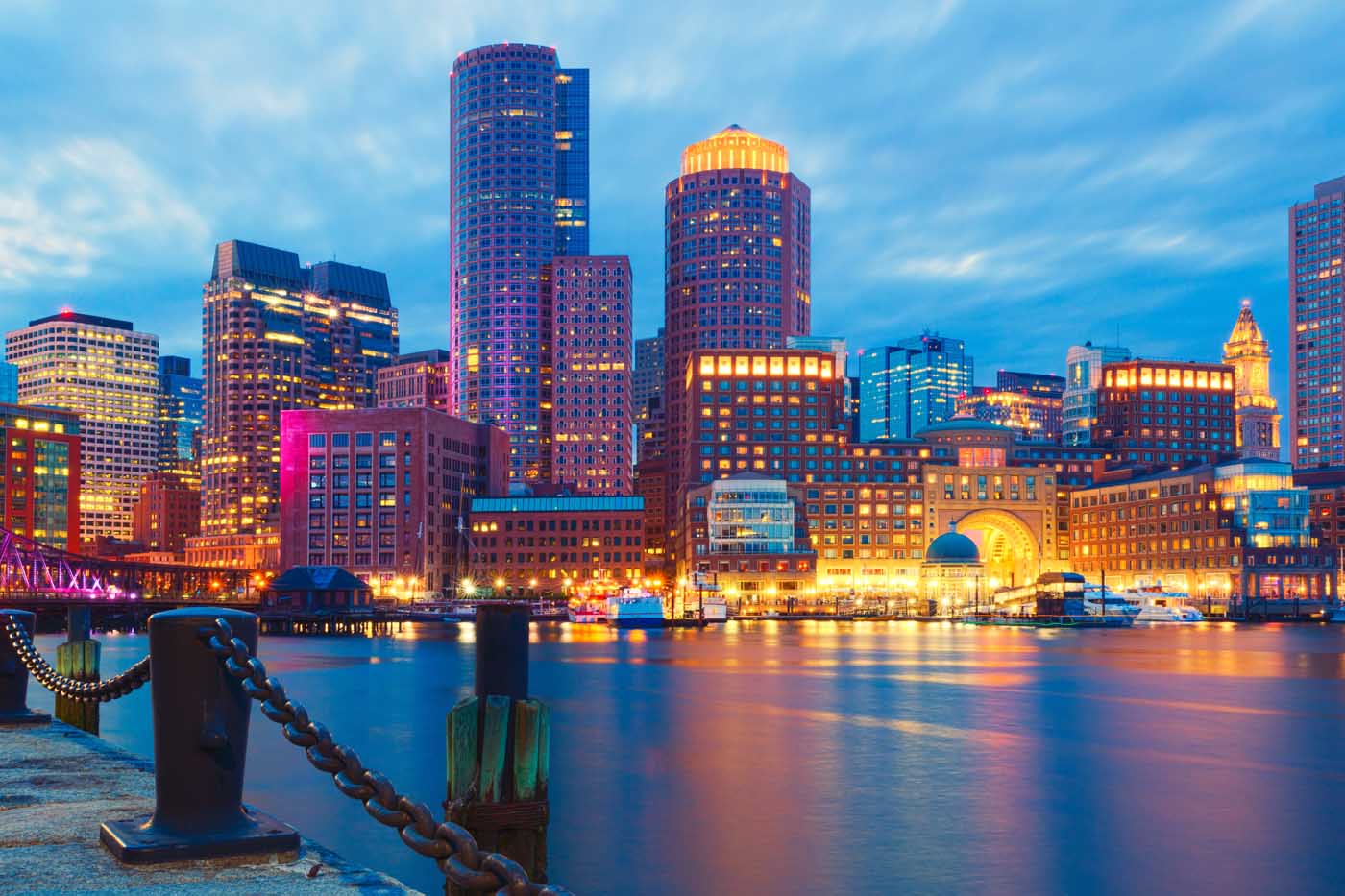
Navigating Boston starts with understanding its postal geography, because neighborhood boundaries and local identities line up closely with specific mailing zones. If you're moving to the area, trying to mail a package, or researching local real estate markets, knowing how the city splits up its postal zones saves you time and confusion.
Boston MA zip codes span a wide range from downtown commercial hubs to sprawling residential districts across Suffolk County. The city uses a structured postal layout where digits reveal whether you're looking at a high-rise office tower in the Financial District, a brownstone in Back Bay, or a triple-decker home in Dorchester.
Downtown and Central Business Districts
The central core of Boston packs a massive amount of history, commerce, and government infrastructure into a dense collection of postal zones. These areas see heavy daily commuter traffic and feature some of the oldest property lots in the country.
Financial District and Government Center
- 02109: Covers the historic waterfront, parts of the North End near the harbor, and major commercial blocks.
- 02110: Encompasses the core Financial District surrounding Pearl Street and Milk Street.
- 02111: Includes the Leather District, Chinatown, and portions bordering the Rose Kennedy Greenway.
Properties here consist almost entirely of high-rise commercial buildings, modern luxury condominiums, and historic brick conversions. Rent prices run significantly higher than the city average due to the immediate proximity to major corporate offices and transit hubs like South Station.
Beacon Hill and West End
- 02108: Serves the historic Beacon Hill neighborhood, home to the Massachusetts State House, alongside downtown government offices.
- 02114: Covers the West End, Massachusetts General Hospital, and adjacent residential towers near Charles River Dam Road.
Streets in these zones feature iconic gas lamps and narrow brick sidewalks. Parking is notoriously difficult, and residential turnover is low because long-term residents hold onto their properties.
Historic and Cultural Neighborhoods
Moving outward from downtown, the postal layout transitions into distinct cultural enclaves with rich architectural character.
Back Bay and Fenway
- 02116: Spans Back Bay, Newbury Street shopping blocks, and Copley Square.
- 02115: Centers around the Fenway-Kenmore area, Northeastern University, and the Museum of Fine Arts.
- 02199: A specialized micro-zip code assigned exclusively to the Prudential Center complex and its immediate high-rise structures.
Living in these zones puts you steps away from public parks, major universities, and cultural landmarks. Housing stock mixes grand Victorian brownstones with student-heavy apartment complexes near the academic campuses.
North End and Charlestown
- 02113: The legendary North End, Boston's historic Little Italy, known for dense residential blocks and narrow alleyways.
- 02129: Charlestown, situated across the harbor, featuring the National Park Service sites, the Bunker Hill Monument, and classic row houses.
Both zones prioritize pedestrian life. Streets were laid out centuries before automobiles existed, meaning driveways are rare and street parking requires resident permits.
South Boston and the South End
These dynamic neighborhoods blend industrial maritime history with contemporary urban development.
- 02118: The South End, famous for Victorian row house residential blocks and the SoWa arts district.
- 02127: South Boston, affectionately called "Southie," stretching from the Broadway transit corridor down to Pleasure Bay and Castle Island.
Real estate demand in both 02118 and 02127 has surged over the past two decades. Industrial warehouses have transformed into loft apartments, while classic residential streets command competitive prices from young professionals.
Residential Hubs and Outer Districts
The outer edges of Boston house diverse communities, extensive park systems, and major residential neighborhoods.
Dorchester and Mattapan
- 02122: North Dorchester, featuring waterfront access near Savin Hill and diverse local commercial strips.
- 02124: Central and Greater Dorchester, one of the city's largest geographic zones with expansive residential housing stock.
- 02125: Dorchester and Columbia Point, home to the JFK Presidential Library and UMass Boston.
- 02126: Mattapan, characterized by quiet residential neighborhoods, parks along the Neponset River, and multi-family homes.
Dorchester and Mattapan offer more space for your money compared to downtown. You'll find classic Boston triple-decker houses, standalone single-family homes, and active neighborhood commercial squares.
West Roxbury, Roslindale, and Jamaica Plain
- 02130: Jamaica Plain, known for green spaces surrounding the Arnold Arboretum and an active local arts scene.
- 02131: Roslindale, featuring a classic village center and residential side streets.
- 02132: West Roxbury, offering a suburban feel within city limits, featuring detached homes and green lawns.
These zones feel noticeably quieter and greener. Families often gravitate here for the yard space, neighborhood community centers, and commuter rail access into downtown.
Allston and Brighton
- 02134: Allston, heavily populated by students and young renters, known for diverse dining and music venues.
- 02135: Brighton, offering a mix of quiet residential streets, apartment complexes, and local squares.
- 02163: A specific zip code assigned to Harvard Business School on the Allston side of the river.
Rent turnover in Allston and Brighton peaks every September first, matching the massive student migration cycle tied to local universities.
Common Mailing and Addressing Mistakes to Avoid
Mailing items or setting up utilities in Boston requires attention to detail. Simple errors cause major delivery delays.
- Mixing up City and Neighborhood Names: Many locals write "Brighton" or "Dorchester" instead of "Boston" on mailing envelopes. While the USPS often processes these correctly based on the zip code alone, official legal documents and bank statements require exact adherence to municipal guidelines.
- Overlooking Street Suffixes: Boston features multiple streets with identical names distinguished only by their suffix or neighborhood. Always double-check whether a street is a street, avenue, court, or terrace.
- Ignoring Resident Parking Rules: If you move into a residential zip code, don't assume your moving truck can park anywhere. Most neighborhoods require temporary moving permits issued by the city weeks in advance.
Frequently Asked Questions
Do Boston zip codes cross municipal boundaries?
No. Official Boston postal codes apply strictly within city limits, though some adjacent towns share similar prefix numbers in neighboring municipalities like Cambridge or Brookline.
Why do some buildings have their own zip code?
High-density commercial developments, large hospitals, and universities often receive unique zip codes to handle high mail volumes efficiently. For instance, large complexes streamline sorting by utilizing exclusive postal designations.
How do I check which zip code a specific address belongs to?
You can verify any local address directly through the USPS Lookup Tool by entering the street name, city, and state abbreviation.
Are Boston zip codes sorted by geographic region?
Generally, yes. Postal codes increase in numerical sequence as you move outward from the downtown core into the surrounding residential neighborhoods and outer districts.


