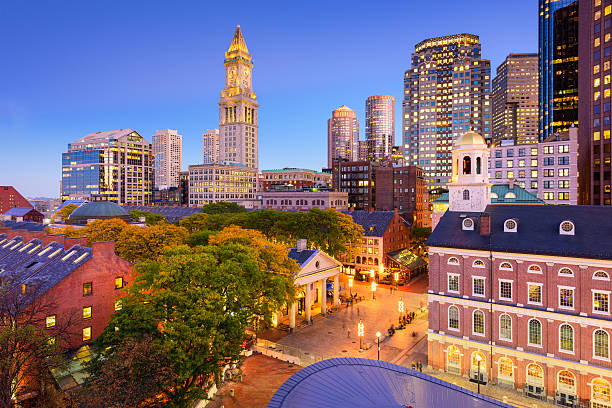
Navigating Boston's postal geography requires more than just a standard map. This compact Massachusetts city packs distinct enclaves, historic architecture, and rapidly shifting real estate markets into a dense grid of postal codes. Understanding how these codes map to local communities helps you find the right pocket for your lifestyle or investment goals.
The city spans dozens of unique postal zones, each governing specific residential styles, commuter access points, and local amenities. Whether you're targeting the historic brownstones of Back Bay or the academic energy of Allston, knowing the local boundaries prevents costly relocation mistakes.
Decoding Boston Postal Zones
Boston proper uses postal prefixes starting with 021 and 022. Unlike grid-based cities where numbers correlate directly to geographical coordinates, Boston's system evolved alongside its winding colonial streets. A single neighborhood might span multiple zones, or conversely, a compact zone might cover only a few blocks of high-density commercial and residential towers.
When evaluating properties or planning a move, you'll find that postal boundaries dictate everything from your MBTA transit access to local parking permit rules. Let's look at the primary residential zones and the specific character they offer residents.
Downtown and Historic Core
The urban center combines high-rise financial hubs with centuries-old residential pockets.
- 02108 (Beacon Hill / Downtown): This zone covers the stately brick rowhouses of Beacon Hill, gas-lit lanterns, and parts of the government district. It's prime territory for those wanting walkability to the State House and Boston Common.
- 02110 & 02111 (Financial District / Chinatown / Leather District): Dominated by modern high-rises, commercial offices, and dense urban housing developments, these areas suit professionals who want a zero-commute lifestyle.
- 02116 (Back Bay / Bay Village): Home to upscale shopping along Newbury Street and the historic brownstones lining Commonwealth Avenue. It represents some of the most expensive and desirable real estate in New England.
Academic and Student Hubs
West of the downtown core, the density shifts to accommodate major universities, medical institutions, and younger demographics.
- 02115 (Fenway / Kenmore): Anchored by Fenway Park and numerous academic outposts, this zone mixes historic brick apartment buildings with new luxury student-centric high-rises.
- 02134 (Allston) & 02135 (Brighton): Historically known as student enclaves, these western neighborhoods offer a more budget-friendly entry point into the city, featuring multi-family triple-deckers and bustling commercial strips along Commonwealth and Brighton Avenues. Check out local resources via the City of Boston Official Website for community guidelines.
Waterfront and Residential Enclaves
Moving outward reveals distinct cultural hubs with unique maritime histories.
- 02129 (Charlestown): Positioned across the harbor near the USS Constitution, this area features historic Greek Revival and federal-style homes alongside modern waterfront condominiums.
- 02127 (South Boston): Affectionately known as "Southie", this zone transitions from industrial maritime roots to a high-demand residential market with quick access to Castle Island and local beaches.
- 02113 (North End): Boston's oldest residential community, famous for narrow streets, historic Italian bakeries, and high-density apartment living.
Choosing the Right Area for Your Lifestyle
Matching your daily routine to the correct postal zone saves hours of weekly commuting. If you rely on the Massachusetts Bay Transportation Authority (MBTA), verify your proximity to subway lines. Some outer residential zones rely heavily on commuter rail or bus lines, which experience different peak-hour delays than heavy rail.
Another factor is parking. Many central zones require strict resident parking stickers. If you own a vehicle, check whether your target address qualifies for street parking or if you'll need to budget for a monthly garage space. You can review official municipality maps and data directly through the Boston Redevelopment Authority / BPDA.
Common Mistakes When Relocating Within Boston
Moving to the area often involves a few predictable missteps. Avoiding these pitfalls makes your transition smoother.
- Ignoring micro-seasons: Boston winters demand efficient heating and reliable snow removal. Older triple-decker homes in outer zones may lack modern insulation, leading to high utility bills during nor'easters.
- Misjudging lease cycles: Because of the heavy student population, an overwhelming percentage of leases start on September 1st. This creates intense moving traffic and inflated short-term storage costs. Try targeting off-cycle lease dates if your timeline allows flexibility.
- Overlooking neighborhood topography: Areas built on historic landfill, such as parts of the Back Bay, have unique structural foundations that require specific insurance considerations and maintenance awareness.
Frequently Asked Questions
Do Boston postal zones align with school districts?
No. Boston Public Schools operate on a separate assignment system rather than strict geographic catchment tied exclusively to your home's postal digits.
Which zone is best for walkability?
If walkability is your primary goal, target codes 02116 (Back Bay), 02108 (Beacon Hill), or 02118 (South End). These areas score highest for pedestrian infrastructure and immediate access to grocery stores, parks, and dining.
Are utilities typically included in apartment rentals?
In most multi-family homes across Allston, Brighton, and Dorchester, tenants pay separate gas and electric bills. Always ask landlords for historical utility averages before signing a lease.
How do I check if a specific address has street parking privileges?
You can verify parking eligibility and sticker requirements through the City of Boston Parking Clerk Portal.


