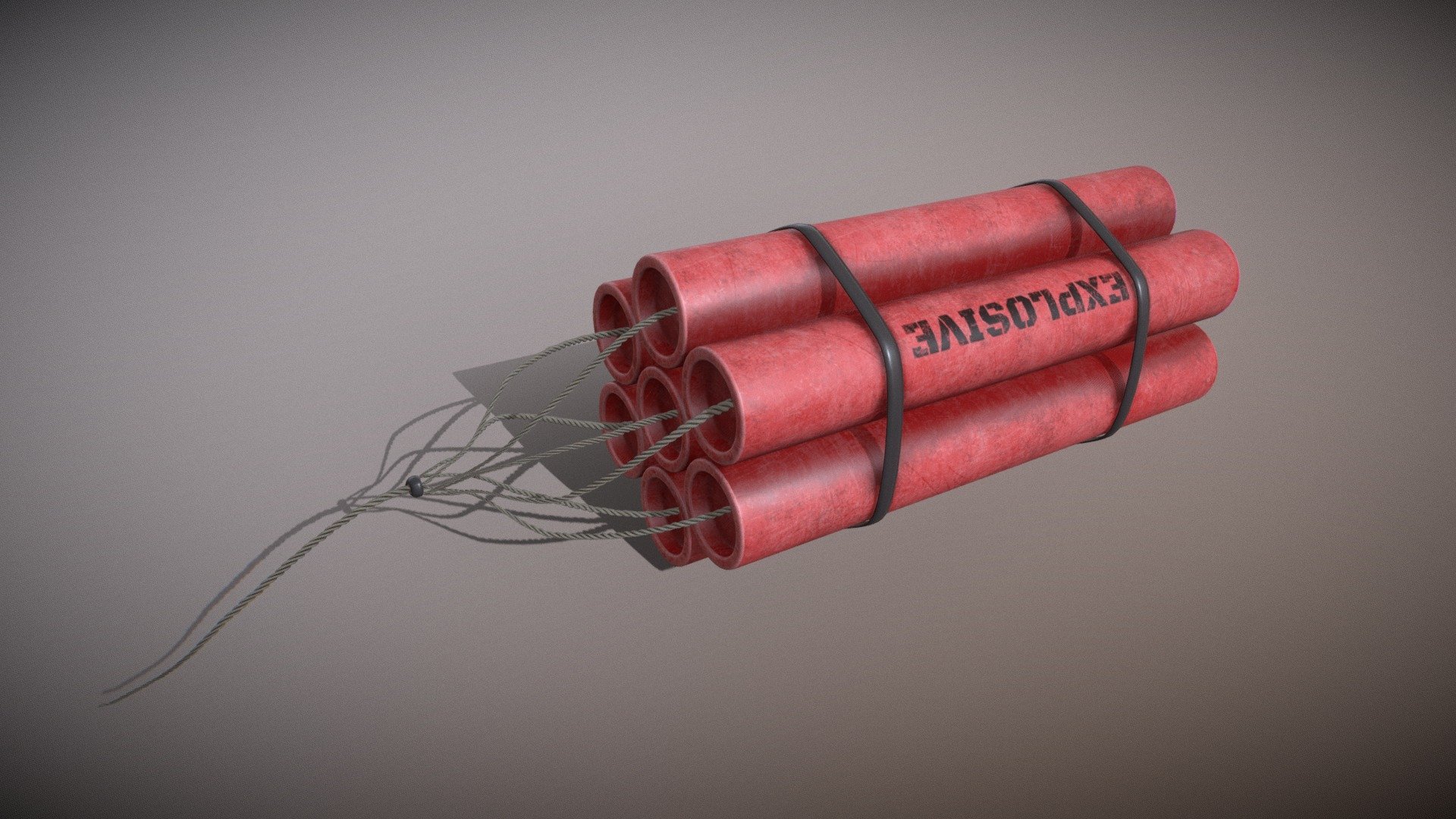
When a countdown hits the final five minutes, the right soundtrack turns an ordinary ticking clock into a psychological weapon. A bomb timer 5 minutes with music setup uses rhythmic audio, escalating tempos, and low-frequency pulses to hijack our focus and flood our bodies with adrenaline. Whether you're designing a tabletop roleplaying game encounter, building an escape room puzzle, or setting up a high-stakes training simulation, combining a visual countdown with curated music creates an unforgettable, pulse-pounding experience.
Audio doesn't just decorate a scene—it dictates how we experience the passage of time. When visual timers demand quiet concentration, they rely purely on intellectual processing. Add music, and the countdown bypasses rational thought entirely, triggering a primal fight-or-flight response.
Why a Five-Minute Window Works Best
Five minutes is the absolute sweet spot for dramatic tension. It's long enough to let panic set in and allow for multiple strategic decisions, but short enough that every single second feels heavy.
In tactical scenarios and cinematic writing, five minutes creates a specific narrative arc:
- Minute 5 to 4: Initial assessment and planning. The music establishes the mood—steady, low-key bass notes or a ticking mechanical rhythm that signals the clock has started.
- Minute 3 to 2: Complications arise. The score begins layering additional percussion or discordant strings, reflecting mounting pressure as players realize time is slipping away.
- Minute 1 to 0: The climax. Tempo accelerates drastically. Ambient noise drops out, leaving only the rapid beat, heart-mimicking thumps, and the final visual countdown.
This structured acceleration prevents audience fatigue while keeping adrenaline peaked right up to the wire.
Crafting the Soundscape: Key Audio Elements
Building an effective soundtrack for a five-minute countdown requires careful control over frequency, tempo, and dynamics. If the music peaks too early, the final seconds feel anticlimactic. If it stays too quiet, nobody feels the pressure.
1. The Sub-Bass Heartbeat
Low frequencies (around 40 to 80 Hz) bypass the cognitive brain and register physically in the chest. Mimicking a resting heart rate that gradually shifts into a rapid thud sets an immediate biological pace. When the timer hits the final minute, speeding up this sub-bass pulse forces the listener's pulse to match it.
2. Layered Instrumentation
Start sparse and build density. A single metallic tick or low drone works well for the opening minutes. Around the halfway mark, introduce rhythmic elements like persistent synth arpeggios or marching snares. By the final minute, introduce sustained high-frequency string swells or alarming synth screeches to maximize distress.
3. Strategic Silence
Counter-intuitively, the loudest moments are often more impactful when preceded by sudden silence. Dropping the background track entirely with ten seconds remaining—leaving only a crisp, dry mechanical tick—creates a vacuum of sound that forces absolute, breathless concentration.
Practical Applications for Creators and Game Masters
If you're implementing a timed sequence in a game, stream, or live event, getting the technical execution right is just as important as picking the track.
- Match the Track Length: Don't loop a short track awkwardly. Find a continuous piece or custom mix that spans exactly five minutes so the musical drop coincides precisely with zero. You can find official timer tracks and safety guidelines via resources like BBC Sound Effects or creative commons audio libraries.
- Integrate Visual Cues: Pair your audio cues with subtle lighting shifts. Shifting ambient room light from cool blue to a pulsing red at the two-minute mark reinforces the audio transition.
- Test the Volume Balance: If you're using voice chat or live instructions during the event, ensure the music doesn't drown out essential communication. Keep dialogue frequencies clear of the heavy sub-bass tracks.
For formal guidelines on managing emergency simulations and realistic timed drills, refer to official protocols from bodies like the National Institute of Standards and Technology.
Common Mistakes in Tension Audio Design
Creators often fall into predictable traps when trying to build suspense with music and timers. Avoiding these missteps will instantly elevate your production quality.
- Ramping Up Too Fast: Hitting maximum intensity at minute four leaves you nowhere to go for the final sixty seconds. Save your biggest sonic drops for the absolute end.
- Ignoring Dynamic Range: Wall-to-wall loud music loses its edge. If everything is loud, nothing is scary. Give the music room to breathe during the middle phase so the climax hits hard.
- Using Distracting Vocals: Music with lyrics pulls the brain out of the simulation as listeners try to process words. Stick strictly to instrumental scores, ambient soundscapes, or rhythmic electronic beats.
Frequently Asked Questions
Can I loop a shorter song to make a five-minute timer?
Looping can work if the track has seamless loop points, but abrupt cuts break immersion. It's much better to use a dedicated track composed specifically to build tension across a fixed five-minute duration.
What genre of music works best for a countdown timer?
Dark ambient, synthwave, orchestral cinematic action scores, and industrial electronic music perform best because they naturally incorporate driving percussion and synthetic pulses without distracting vocals.
How do I prevent players from getting overwhelmed or paralyzed by the timer?
Keep the puzzle complexity low during high-stress moments. If players have to solve complex riddles while a five-minute track blasts intense music, frustration usually replaces fun. Save five-minute timers for high-action execution phases rather than deep logic puzzles.
Where can I source royalty-free tension music safely?
Platforms like the YouTube Audio Library offer extensive collections of free cinematic and suspense tracks categorized by mood and tempo.



