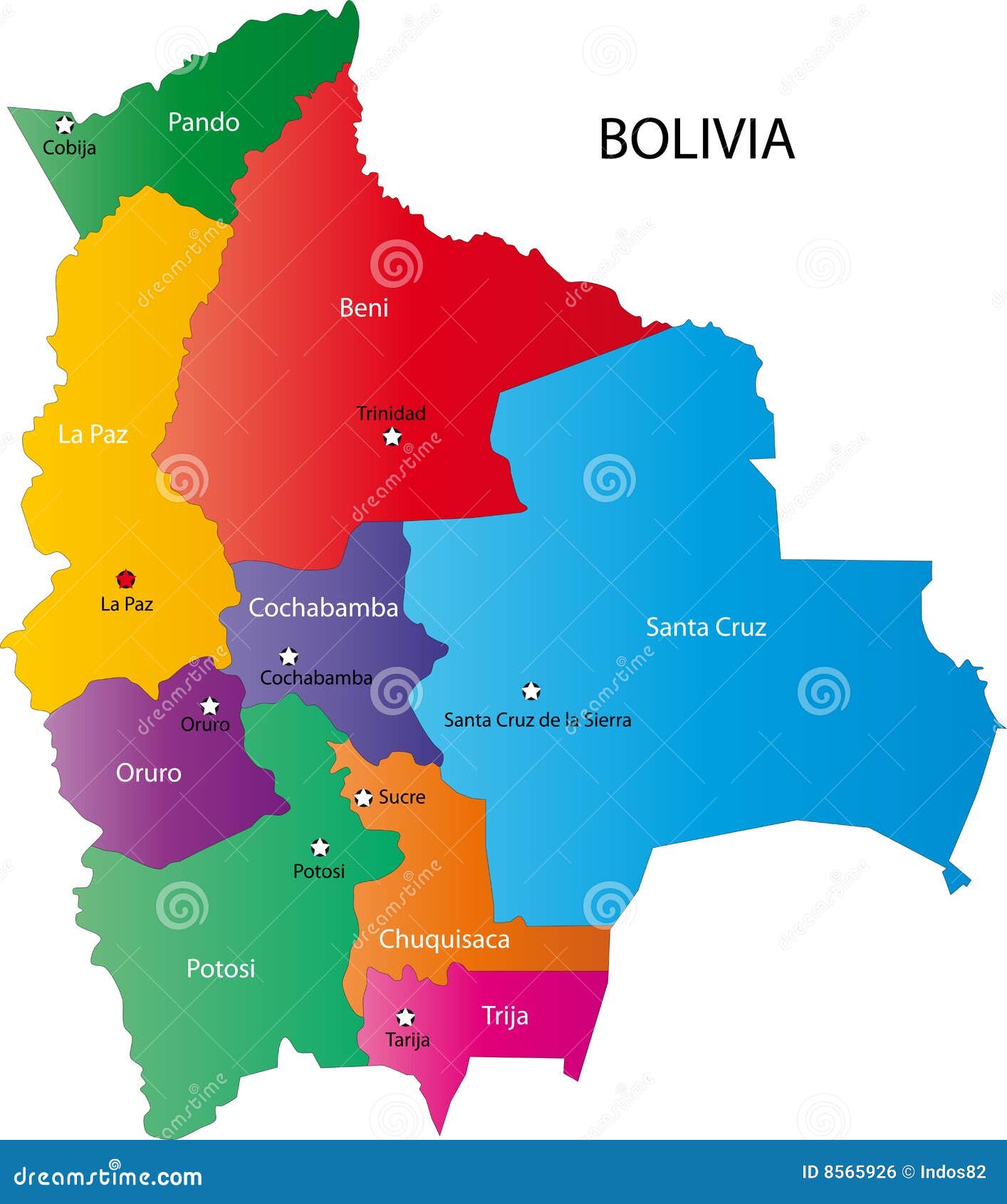
Bolivia stands at a critical juncture, defined by vast natural wealth on one hand and severe structural constraints on the other. While the country possesses immense resource wealth, including massive lithium reserves and foundational mineral deposits, navigating its economic landscape requires looking past surface-level potentials to understand the complex realities of state involvement, infrastructure gaps, and shifting export markets.
Understanding Bolivia's economic position means examining how traditional extraction models interact with modern energy transition demands. Rather than viewing the country through abstract generalizations, this analysis breaks down the primary sectors, regulatory hurdles, and practical considerations shaping its financial future.
The Resource Base: Lithium, Minerals, and Hydrocarbons
At the core of Bolivia's economic narrative are its extractive industries. The nation holds some of the world's most sought-after industrial raw materials, though commercializing them involves overcoming significant logistical and political hurdles.
The Lithium Paradox in the Salar de Uyuni
Bolivia contains one of the largest known concentrations of lithium globally, primarily locked within the vast Salar de Uyuni salt flat. Despite this geological advantage, commercial production has lagged behind neighbors like Chile and Argentina.
- State Monopoly Structure: Historically, the state-owned enterprise Yacimientos de Litio Bolivianos (YLB) maintained tight control over exploration and extraction.
- Partnership Models: Recent frameworks involve joint ventures with international tech providers from countries such as China and Russia, though legislative ratification processes remain deliberate and slow.
- Technical and Water Constraints: Extracting lithium from brine requires balancing water resource management in an arid ecosystem with the demands of industrial-scale chemical processing.
Traditional Mining and Mineral Exports
Beyond lithium, Bolivia remains a significant producer of traditional industrial metals. The mining sector relies on a mix of state entities, private operators, and large cooperatives.
- Key Outputs: The country is a major exporter of zinc, silver, tin, and lead, alongside targeted extraction of gold and industrial minerals.
- Market Access: Buyers typically secure mineral resources through direct offtake contracts per lot, requiring shared laboratory assays and specialized logistics routes.
Hydrocarbon Realities
Natural gas fueled Bolivia's economic expansion through the 2000s, but the sector has faced a multi-year decline in production and proven reserves.
- Export Shifts: With historical export pipelines to neighboring Argentina winding down and domestic production constraints, the energy sector is undergoing forced restructuring.
- Domestic Demands: State policy prioritizes meeting domestic fuel consumption and supplying local industrial feedstock over export volumes, pushing state energy firms to seek technical partnerships for new exploration.
Macroeconomic Pressures and Policy Direction
The structure of Bolivia's economy is heavily influenced by fiscal policy, foreign exchange availability, and regulatory oversight.
+-------------------------------------------------------------+
<                Core Economic Pillars in Bolivia             >
+-------------------------------------------------------------+
| * Extractive Industries: Natural gas, lithium, and metals   |
| * Regulatory Framework: State-led partnerships & approvals  |
| * Regional Divergence: Departmental economies like Tarija   |
| * Infrastructure Needs: Power grids and digital expansions  |
+-------------------------------------------------------------+
Institutional and Governance Frameworks
For external participants, dealing with Bolivia means engaging directly with public institutions, ministries, and regional governorates. Regulatory compliance involves strict adherence to local labor laws, environmental licensing, and community consultation mandates designed to secure social license before operations begin.
Infrastructure and Energy Transition
Modernizing the domestic economy requires expanding internal power generation and transmission networks. The state electric company, ENDE, oversees a transition toward integrating solar, wind, and hydroelectric projects to diversify away from traditional thermal generation. These infrastructural upgrades aim to lower industrial costs and support regional manufacturing hubs outside the traditional highland centers.
Regional Diversity: Beyond the Capital
Economic activity varies drastically across Bolivia's distinct geographic zones. While administrative decisions concentrate in La Paz and Sucre, regional economies operate with specialized industrial profiles.
- Tarija: Known primarily for natural gas production, Tarija also hosts a robust agricultural and viticultural sector, producing wines and spirits supported by regional academic and electrical infrastructure.
- The Lowlands (Santa Cruz): Serving as the agricultural powerhouse of the country, this region drives commercial farming, soy production, and private commercial investment.
- The Altiplano: The historic mining and high-altitude agricultural zone, where small-scale cooperatives and traditional trade networks dominate local commerce.
For a broader look at global economic shifts and sovereign risk evaluations, resources like the World Bank Bolivia Overview offer deep macroeconomic data sets. Additional context on regional trade dynamics can be explored via the Economic Commission for Latin America and the Caribbean.
Frequently Asked Questions
What are the main drivers of Bolivia's economy?
Bolivia's economy relies heavily on primary commodity extraction, specifically natural gas, mining products (zinc, silver, tin), and emerging lithium development, alongside a growing agricultural sector located primarily in the eastern lowlands.
How does foreign investment work in Bolivia's resource sectors?
Foreign participation typically requires working alongside state-owned enterprises through joint venture agreements or specific production-sharing contracts. Investors must navigate state approval processes, regulatory compliance, and mandatory social licensing frameworks.
Why has lithium production been slow to scale?
While Bolivia possesses massive reserves in the Salar de Uyuni, development has been constrained by historic state monopolies on extraction, complex legislative ratification requirements for partnerships, and the need for advanced water-management technology suited to local brine chemistry.
What role do regional economies play outside major cities?
Regions like Tarija and Santa Cruz operate with distinct economic specialization—ranging from gas extraction and commercial agriculture to viticulture—providing a decentralized counterweight to the political and administrative activities centered in La Paz.



