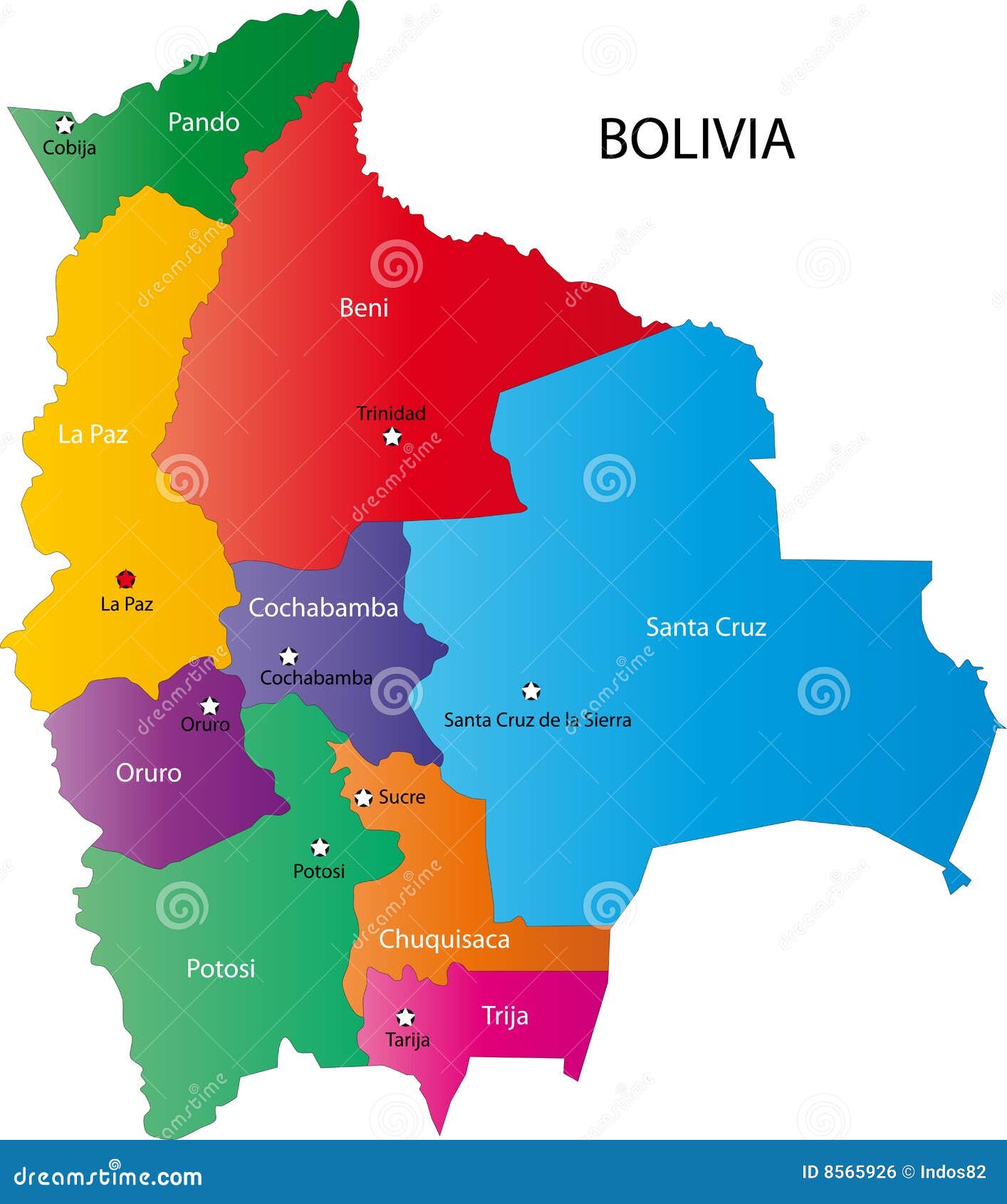
Bolivia stands as a striking crossroad where indigenous heritage and European influence intersect deeply. Far from a uniform tropical destination, this landlocked nation features sharp contrasts between high-altitude Andean peaks and low-lying Amazonian basins. If you're looking to understand how Spanish colonial architecture sits side by side with ancient Quechua and Aymara traditions, you'll find that Bolivia's unique geographic and cultural friction shapes every corner of daily life.
To grasp this country's distinct identity, you have to look past simple travel brochure clichés. European expansion brought baroque churches, administrative systems, and the Spanish language, while indigenous communities preserved ancestral communal structures, textiles, and spiritual beliefs tied directly to the earth. This friction creates a society that doesn't just blend these elements, but rather holds them in sharp, vibrant tension.
The Geographic Divide: Altiplano Meets Lowlands
Geography dictates the rhythm of life here. The nation splits into distinct ecological zones, each fostering different ways of living, building, and farming.
- The Altiplano: A high-altitude plateau sitting over 3,000 meters above sea level, framed by the Andes. Cities like La Paz thrive here in thin air, surrounded by dramatic mountain views.
- The Valleys: A temperate transition zone featuring cities like Sucre and Cochabamba, known for agricultural productivity and well-preserved colonial layouts.
- The Lowlands (Oriente): Sprawling tropical savannas and forests anchored by Santa Cruz de la Sierra, characterized by a warmer climate and a booming modern economy.
This physical separation historically isolated different regions from one another. Today, it fuels distinct regional identities, accents, and local economies that feel almost like separate countries sharing a single border.
Colonial Architecture and Indigenous Resilience
Walk through the historic streets of Sucre or Potosí, and you'll see heavy European influence carved directly into stone. Whitewashed Spanish colonial facades, grand Catholic cathedrals, and classic plazas dominate the urban centers. Potosí once rivaled European capitals in wealth during the silver boom of the Spanish Empire.
Yet, beneath that surface lies an unyielding indigenous foundation. Markets feature women in traditional bowler hats and layered pollera skirts selling medicinal herbs, coca leaves, and offerings to Pachamaha (Mother Earth). Architecture may follow European grid systems, but the spiritual life of the community remains firmly rooted in pre-Columbian cosmology.
Navigating Cultural Etiquette and Local Customs
When you travel through or study this Andean nation, understanding local social norms prevents cultural missteps. Society operates on strong community ties and mutual respect.
- Greetings: Always greet people formally with Buenos días or Buenas tardes before asking for assistance or initiating a transaction.
- Photography: Always ask permission before photographing local indigenous people, especially elders or market vendors, as it's considered polite and respectful.
- Punctuality: Social events often operate on flexible time frames, though business and official transport generally expect promptness.
Common Misconceptions About Bolivian Society
Many casual observers misunderstand how modernity interacts with tradition here.
- Misconception: Indigenous traditions are fading away due to urbanization.
- Reality: Indigenous languages like Quechua, Aymara, and Guaraní hold official status, and traditional practices are actively integrated into modern political and legal frameworks.
- Misconception: The entire country shares a uniform Andean climate and culture.
- Reality: Traveling from the freezing heights of the Altiplano to the humid heat of the Amazon basin reveals entirely different lifestyles, foods, and music styles.
You can explore more detailed socio-political data through resources like Encyclopædia Britannica's Bolivia Overview or official background notes provided by the U.S. Department of State.
Frequently Asked Questions
Why does Bolivia have two capital cities?
The division stems from a 19th-century civil war. Sucre remains the constitutional and judicial capital, while La Paz serves as the seat of government and houses the executive and legislative branches.
Is altitude sickness common for visitors?
Yes. Because La Paz and the Altiplano sit at extreme elevations exceeding 3,500 meters, travelers often experience symptoms like headaches and fatigue. Acclimatizing slowly and drinking coca tea helps mitigate these effects.
What languages are spoken across the country?
Spanish is widely spoken in government, business, and urban centers, but the constitution recognizes 36 official indigenous languages, with Quechua, Aymara, and Guaraní being the most prevalent.
How did the country become landlocked?
Bolivia lost its coastline along the Pacific Ocean to Chile during the War of the Pacific (1879–1884), leaving it entirely landlocked with transit agreements providing indirect ocean access.



