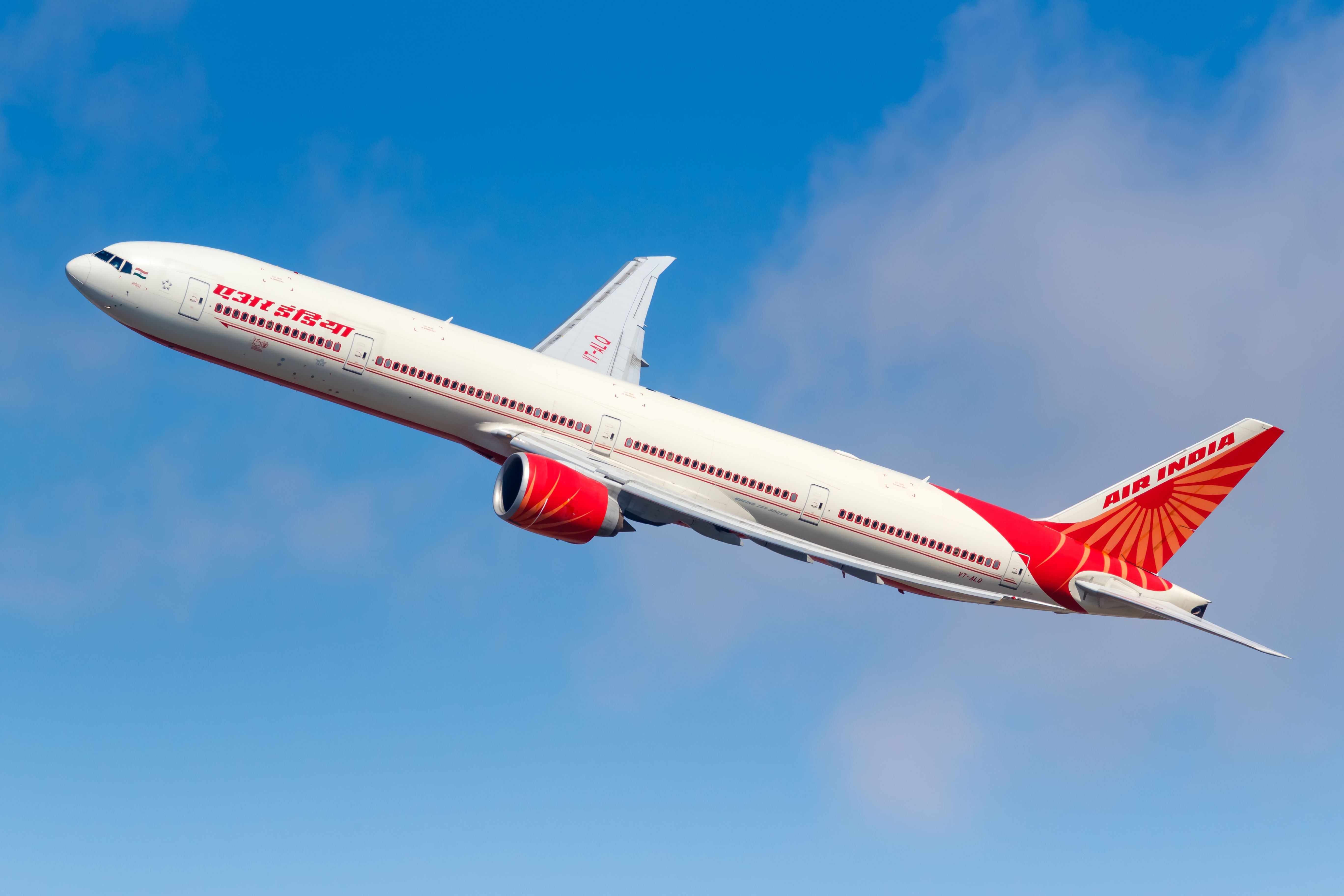
Finding a decent spot on a Boeing 777-200 comes down to understanding how airlines squeeze hundreds of passengers into a narrow tube for long-haul routes. Most international variants of this wide-body aircraft feature a dense layout, often packing economy passengers into a tight 3-3-3 formation. If you book blindly, you'll end up trapped next to a noisy galley or a high-traffic lavatory for twelve hours.
To beat the system, you need to map out your priorities before selecting a ticket. Whether you're hunting for extra legroom, a quiet zone away from crying infants, or a quick exit upon landing, knowing the aircraft's physical layout changes everything. Let's look at how to pick the best spot and survive a long-haul flight without losing your mind.
Decoding the Boeing 777-200 Cabin Layout
The 777-200 is a workhorse for long-distance travel, but its cabin configuration varies wildly depending on the carrier. Airlines like United, American Airlines, and British Airways operate different versions, ranging from high-density domestic configurations to premium international three-class setups.
In standard long-haul international configurations, economy is almost always configured in a 3-3-3 layout. This means two dreaded middle seats per row of nine. If you're flying solo, a middle seat is your worst enemy. Window seats offer a wall to lean against and a view, while aisle seats give you freedom to stretch your legs without disturbing your neighbors.
Business class typically features a 2-2-2 or 1-2-1 reverse herringbone layout. If you're up front, your primary concern is privacy and aisle access rather than legroom, since lie-flat beds are standard. But for most travelers back in economy, legroom and recline angle dictate overall comfort.
How to Identify the Best Seats on the Map
Not all rows are created equal. When you pull up the seat map on SeatGuru or your airline's booking portal, look for specific structural markers that influence your ride quality.
Over-the-Wing Rows for a Smoother Ride
If you get motion sickness or hate turbulence, aim for the rows directly over the wings. The wings act as the aircraft's center of gravity. Sitting here minimizes the bouncing and swaying you feel in the tail section.
Exit Rows and Bulkhead Seats
Exit rows offer massive legroom boosts, but they come with trade-offs. Emergency exit doors often lack a window, and the row directly in front of them might not recline fully to keep the evacuation path clear. Bulkhead seats give you no one reclining into your personal space, but you'll lose under-seat storage during takeoff and landing, and you're often seated right where bassinet hooks are located.
Rows to Avoid at All Costs
Stay away from the last three rows of any cabin section. These sit right next to the lavatories and galleys. You'll deal with constant foot traffic, fluorescent lights turning on mid-flight, and the chatter of flight attendants prepping meals at 3:00 AM. Furthermore, the fuselage tapers near the tail, which sometimes results in misaligned windows or slightly narrower seats.
Ergonomics and Health Tips for Long Flights
Surviving a thirteen-hour flight isn't just about the seat shell; it's about managing your body's response to cabin pressure and dehydration.
Cabin humidity on commercial aircraft hovers around 10 to 20 percent, which dries out your sinuses and skin quickly. Pack a reusable water bottle and fill it past security, or continuously ask flight attendants for water. Avoid excessive alcohol and caffeine, as they accelerate dehydration and disrupt sleep cycles.
Movement is your best defense against deep vein thrombosis and stiffness. Walk the aisles every two hours. Do seated stretches—ankle rotations, knee lifts, and shoulder rolls—to keep your blood circulating.
Packing Right for Maximum Cabin Comfort
What you bring on board matters just as much as where you sit. Overhead bin space is scarce on full flights, especially if you board in the final groups.
- Noise-canceling headphones: Crucial for drowning out engine hum and crying children.
- Lumbral support: A small inflatable pillow or even a rolled-up jacket saves your lower back on stiff seats.
- Layered clothing: Cabin temperatures fluctuate wildly between boarding, cruising altitude, and descent.
- Compression socks: These improve lower-leg circulation on flights exceeding six hours.
Frequently Asked Questions
Is a window seat better than an aisle seat on a 777-200?
It depends on your travel style. Window seats give you a view and a solid surface to sleep against, but you have to climb over two people to stretch your legs. Aisle seats let you get up whenever you want, but you risk getting bumped by passing beverage carts.
Do 777-200 emergency exit seats cost extra?
Most major airlines charge an extra fee to select exit row seats in economy because of the added legroom. You can sometimes snag them for free at check-in if they remain unassigned, but popular routes fill up fast.
Are bulkhead seats good for tall passengers?
Yes, bulkhead seats provide extra knee clearance because there's no seat in front of you. However, keep in mind that armrests are usually fixed because the tray table folds out from them, which can make the seat feel slightly narrower.
How can I check if my specific 777-200 has power outlets?
Always cross-reference your flight number on FlightAware or check the specific aircraft amenities listed on your airline's app before choosing your seat, as older retrofitted cabins might lack universal power ports or USB plugs.


