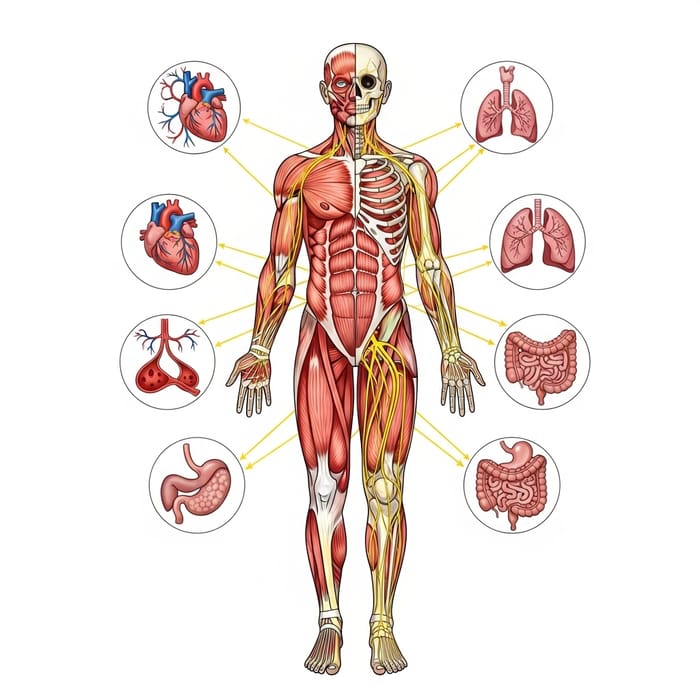
Body swap interactive systems represent an emerging frontier in digital entertainment, blending advanced interface design with psychological simulation. Instead of traditional control schemes where players command an avatar from an outside perspective, these platforms aim to place users directly inside digital consciousness models.
This shift moves interactive media past standard graphical upgrades into the territory of cognitive immersion. Developers are designing systems that alter how players process virtual environments, test emotional responses, and experience narrative agency through direct viewpoint shifts.
The Mechanics of Simulation Technology
Modern simulation environments rely on complex data processing pipelines rather than simple scripted inputs. Developers utilize real-time kinematic tracking, cognitive state monitoring, and dynamic physics engines to maintain immersion. When a user enters a simulation, sensory feedback loops must sync instantly with visual rendering to prevent disorientation.
Hardware limitations historically restricted these experiences to pre-rendered cutscenes. Current engineering approaches focus on real-time neural and muscular telemetry. By translating subtle physical inputs into complex spatial movements, software can map user intent directly onto diverse character models.
Neural Integration and Sensory Feedback
The core engineering challenge involves bridging biological signals with digital software architectures. Engineers deploy non-invasive sensors to read surface electrical activity from muscles and neural pathways. This data feeds into machine learning models that predict user movement before traditional button presses occur.
Haptic suits and vestibular stimulation platforms complement this data pipeline. When an avatar interacts with a virtual object, localized actuators apply pressure and temperature changes to the user's skin. This creates a closed-loop sensory experience where physical touch reinforces the visual illusion of inhabiting another form.
- Kinematic mapping: Translating physical joint angles into non-human skeletal rigs.
- Latency reduction: Keeping input-to-response delays under ten milliseconds to avoid motion sickness.
- Cognitive load balancing: Adjusting simulation complexity based on user heart rate and eye-tracking metrics.
Industry Impact and Developer Adoption
Major studios and independent developers are slowly experimenting with perspective-shifting mechanics, though widespread commercial adoption remains in early phases. Traditional game engines require heavy modification to support multi-perspective data streaming without frame drops.
Independent teams often pioneer these mechanics due to lower financial risk. They test experimental control schemes that large publishers avoid until consumer hardware stabilizes. As standardized software development kits emerge, integrating multi-perspective simulation into mainstream genres becomes more viable.
For deeper context on how modern hardware standards evolve, you can review technical guidelines outlined by the IEEE Computer Society. Standards organizations play a quiet role in keeping device communication protocols consistent across competing hardware manufacturers.
Therapeutic and Training Applications
Beyond entertainment, perspective-shifting simulations find utility in specialized training and rehabilitation fields. Medical researchers utilize controlled virtual environments to study spatial awareness and motor skill recovery. Patients recovering from physical trauma can practice movement routines inside simulated spaces where gravity and resistance can be adjusted safely.
- Rehabilitation therapy: Guiding patients through physical exercises using customized avatar feedback.
- Empathy research: Simulating physical limitations to help medical students understand mobility challenges.
- High-risk simulation: Training emergency responders in stressful scenarios without physical danger.
These non-gaming applications often drive the funding required to refine underlying software libraries. Lessons learned from clinical trials feed back into consumer software optimization, improving stability for all users.
Common Pitfalls in Perspective-Driven Design
Designing simulations that alter user perspective introduces unique design traps. Poor implementation leads quickly to physical discomfort or cognitive fatigue. Developers must navigate several recurring mistakes during production:
- Ignoring sensory mismatch: Failing to align visual movement with vestibular feedback causes acute motion sickness.
- Overcomplicating control schemes: Forcing users to manage too many non-standard inputs breaks immersion.
- Neglecting pacing: Keeping users in high-intensity perspective shifts for too long causes mental exhaustion.
Avoiding these issues requires extensive playtesting with diverse user groups. Studios that skip ergonomic testing usually find their software abandoned due to physical discomfort reported by early adopters.
Frequently Asked Questions
What hardware is required to run a body swap simulation?
Most experimental setups require a high-end desktop computer, specialized head-mounted displays with eye-tracking, and optional haptic vests. Consumer availability depends heavily on the specific software platform you choose to use.
How do developers prevent motion sickness during perspective shifts?
Engineers reduce latency, maintain steady frame rates, and use gradual transition effects rather than sudden camera cuts when a user changes viewpoints.
Are these simulations available for home consoles?
Current consumer consoles lack the necessary sensor integration ports for advanced neural telemetry, meaning most high-end simulations remain restricted to specialized PC setups or research labs.
Can these systems be used for mental health treatment?
Clinical researchers utilize controlled virtual environments for exposure therapy and cognitive behavioral research, though these programs operate under strict medical supervision rather than commercial entertainment guidelines. Additional safety standards are tracked by agencies like the U.S. Food and Drug Administration when software crosses into digital therapeutics.



