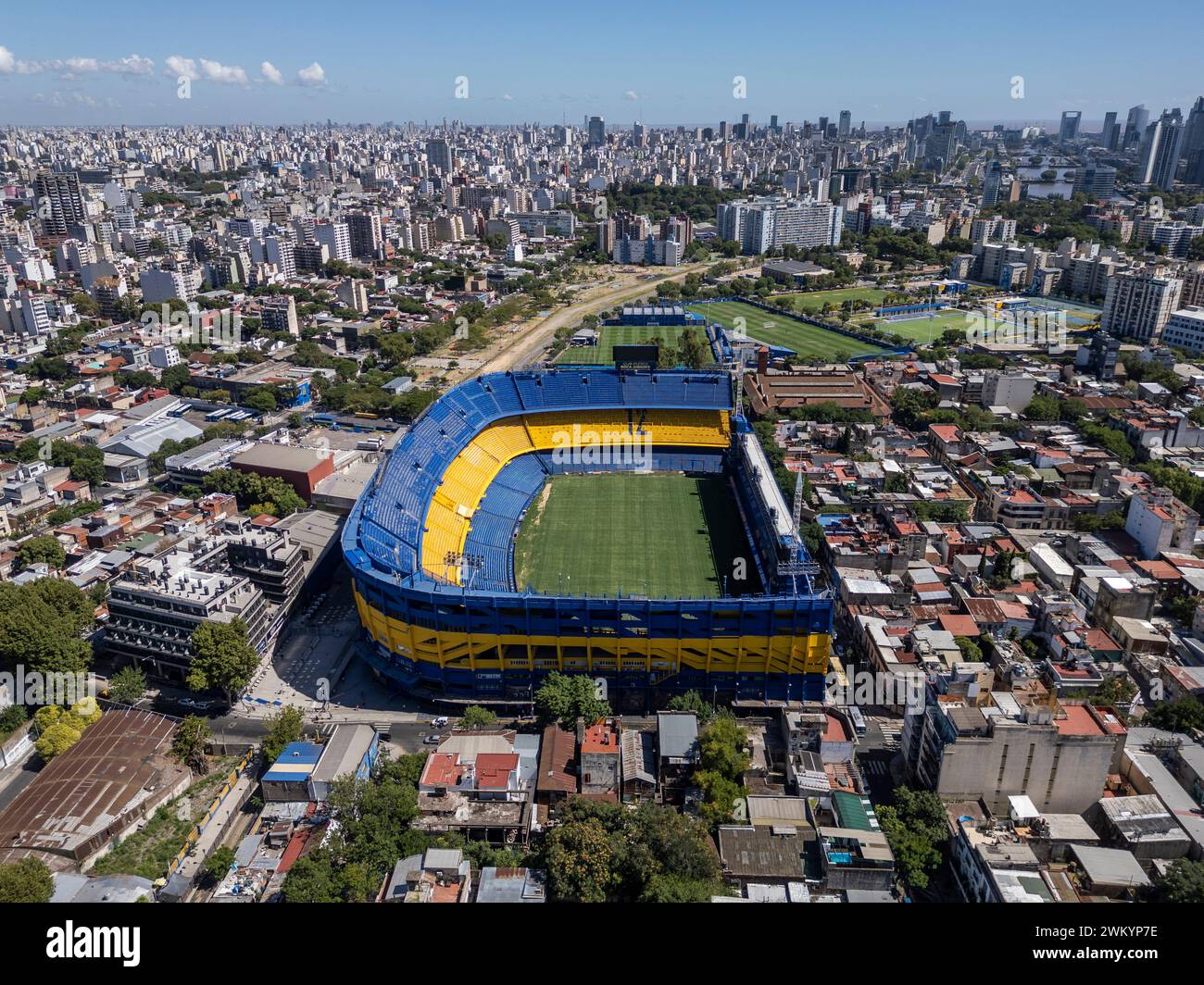
The Superclásico between Boca Juniors and River Plate stops the nation of Argentina. It splits families, fills the streets of Buenos Aires with noise, and stands widely regarded as the most intense club rivalry in world football. When these two giants take the pitch, it's never just a standard league fixture. It's a collision of identities, neighborhoods, and decades of fierce competition.
Understanding this matchup requires looking past the 90 minutes on the grass. The roots of the feud trace back to the dockside barrio of La Boca, the architectural marvels of La Bombonera and El Monumental, and a social divide that transformed a simple game into a cultural phenomenon.
Origins in the Docks: How the Rivalry Was Born
Both clubs share the exact same birthplace. River Plate was founded first in 1901 in the port district of La Boca, followed by Boca Juniors in 1905 just down the street. Early matches took place right on the muddy banks of the Riachuelo river before their paths diverged in the 1920s.
River Plate packed up and moved north to the affluent, leafy neighborhood of Núñez. That geographical shift cemented a lasting social narrative. Boca stayed firmly anchored in the working-class, immigrant docklands, embracing its Italian roots—hence the nickname Xeneizes (Genoese). River, meanwhile, earned the tag Los Millonarios (The Millionaires) after splashing record transfer fees on players in the 1930s.
While modern football has blurred those rigid class lines—both clubs boast massive, nationwide fanbases across every social stratum—the symbolic geography remains intact. Boca represents the gritty soul of the working class, while River embodies cosmopolitan elegance.
The Stadiums: La Bombonera and El Monumental
No derby captures the sensory overload of South American football quite like the home grounds of these two clubs.
Boca's home, Estadio Alberto J. Armando—universally known as La Bombonera (the chocolate box)—features a unique D-shape with one flat stand. The design creates an infamous acoustic effect where the stadium genuinely shakes when the home supporters jump and chant. Players frequently remark that the pressure from the stands feels suffocating for visiting teams.
On the other side stands El Monumental, officially named Mâs Monumental. Located in Núñez, it's Argentina's largest stadium, holding over 80,000 fans following recent expansions. It offers a sprawling, open-air arena experience where River's supporters orchestrate massive displays of red-and-white streamers and flares.
Head-to-Head Statistics and Record Clashes
Decades of domestic league play, national cups, and continental showdowns have yielded hundreds of encounters. Boca holds a narrow edge in total official victories, though the historical pendulum swings back and forth with every era.
- Total Official Matches: Over 265 meetings across all competitions.
- Boca Juniors Wins: 95
- River Plate Wins: 88
- Draws: 84
Some results loom larger than others in folklore. In December 1928, Boca handed River a crushing 6-0 defeat, which remains the largest victory margin in the derby's history. River answered back with a 5-1 thrashing in 1941 during their golden La Máquina era. More recently, high-stakes continental clashes—most notably the historic two-legged Copa Libertadores final in 2018—elevated the global profile of the rivalry to unprecedented heights.
Iconic Players Who Defined the Fixture
The fixture has served as a crucible for Argentina's greatest footballing legends. Wearing the blue and gold or the white with the red sash leaves an indelible mark on a player's career.
- Diego Maradona: A lifelong Boca fan, Maradona starred for the club during the 1981 Metropolitano championship run and returned for a final stint in the mid-1990s. His performances in the derby, including a famous night at El Monumental where he rounded the goalkeeper to score, cemented his deity status among Xeneize supporters.
- Ángel Labruna: River's ultimate icon. Labruna played as a prolific forward for two decades, scoring a record 16 goals in official Superclásico matches—a mark that still stands at the top of the derby scoring charts.
- Juan Román Riquelme: The quintessential Boca playmaker of the 2000s, Riquelme treated matches against River as his personal canvas, famously celebrating a goal against them by running toward the River fans cupping his ears in imitation of a doll.
Frequently Asked Questions
Why is River Plate called Los Millonarios?
The nickname started as a derogatory term used by rival fans in the 1930s after River spent massive sums of money on high-profile player acquisitions, such as star forward Bernabé Ferreyra. Over time, River supporters embraced the tag as a badge of pride.
Did Diego Maradona ever play for River Plate?
No. Maradona never played a senior match for River. His club career in Argentina was exclusively spent with Argentinos Juniors and Boca Juniors.
Which stadium is larger?
River Plate's El Monumental is significantly larger, accommodating over 83,000 spectators, whereas Boca's La Bombonera holds roughly 54,000 fans.
What is the origin of the term Superclásico?
The word clásico originated in Argentina specifically to describe this fixture before being exported to describe major derbies in other Spanish-speaking football cultures, such as Spain's El Clásico.



