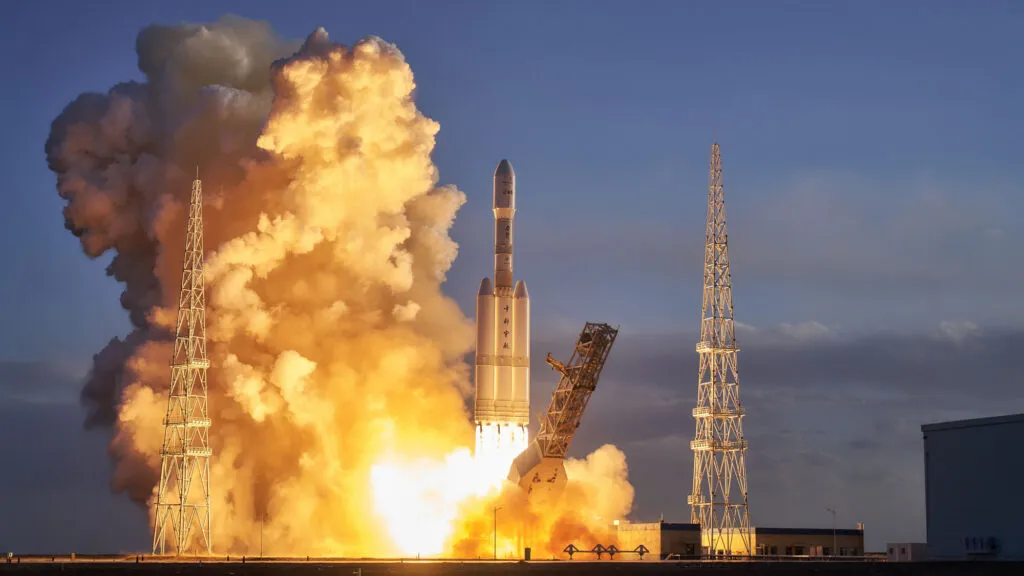
From Sleepy Coastal Hamlet to Orbital Spaceport
Boca Chica Village sits at the edge of the Texas coastline, just north of the Mexican border. Once a quiet cluster of vacation homes and wind-swept sand dunes, this remote corner of Cameron County transformed into Boca Chica as a global hub for heavy-lift rocket development. When SpaceX selected the site for a private launch facility in 2014, it traded quiet beach isolation for industrial ambition. Today, the area operates as Starbase, a manufacturing and testing grounds where engineers build the vehicles intended to carry humanity to Mars.
Understanding this shift requires looking past the launch pads. The evolution of Boca Chica reflects a broader change in how aerospace engineering happens—moving away from traditional government-run complexes toward agile, private corporate enclaves. This small beach community now anchors a high-frequency flight test program that dictates the timeline of modern space exploration.
The Early Days of Kopernik Shores
Long before heavy-lift gantries dotted the horizon, the location had a strange and isolated history. Founded in 1967 as Kennedy Shores by a Chicago developer hoping to build a community for working-class families, the settlement took a direct hit from Hurricane Beulah that same year. The storm wiped out local infrastructure and stunted early growth.
Residents later renamed the hamlet Kopernik Shores. For decades, it remained a sleepy outpost consisting of a few dozen ranch-style homes, dirt roads, and limited utilities. By the early 2000s, permanent residents numbered in the single digits, turning the neighborhood into a coastal backwater famous mostly for tight-knit fishing communities and isolation. Its geographic positioning—surrounded by state parks, wildlife refuges, and open Gulf waters—made it an obscure dot on the map rather than a strategic asset.
Why SpaceX Chose Boca Chica
SpaceX needed a dedicated commercial launch site that offered specific geographic advantages for orbital trajectory optimization. Launching eastward over open water gives rockets a boost from Earth's rotation while keeping flight paths clear of heavily populated landmasses.
- Low Population Density: The minimal local population simplified safety logistics for experimental flight tests.
- Proximity to the Equator: At roughly 25.99° North latitude, Boca Chica offered a favorable southern launch angle compared to traditional northern domestic facilities.
- Coastal Access: Direct access to the Gulf of Mexico allowed for maritime transport of massive hardware components when road transit proved too cumbersome.
Initially, SpaceX planned to use the location primarily as a commercial launch pad for Falcon rockets. However, as the company pivoted its engineering priorities toward the stainless steel Starship architecture, Boca Chica grew into an all-in-one manufacturing, engine testing, and orbital launch complex.
The Rise of Starbase and Industrial Realities
As development scaled up, the transformation of the local landscape accelerated. SpaceX constructed massive assembly buildings known as the Starfactory, towering high-bay integration structures, and steel orbital launch mounts. Homeowners who had spent decades in the quiet village faced a rapidly changing environment marked by round-the-clock construction, road closures during testing windows, and corporate expansion.
Many long-term residents sold their properties to SpaceX through voluntary purchase offers. By the mid-2020s, the corporate footprint formalized further with the official incorporation of the City of Starbase. This administrative shift integrated company housing, workspaces, and infrastructure management under a localized framework designed to streamline operations for thousands of aerospace workers.
Environmental and Ecological Pressures
The conversion of a sensitive wetland ecosystem into a heavy industrial spaceport sparked intense scrutiny from conservationists, wildlife agencies, and local residents. Boca Chica sits adjacent to the Lower Rio Grande Valley National Wildlife Refuge and state parklands that serve as critical habitats for migratory birds, sea turtles, and ocelots.
- Habitat Mitigation: Regulatory bodies coordinate with aerospace operators to enforce wildlife monitoring and seasonal protections.
- Debris and Sound Impact: High-frequency static fires and orbital launches generate extreme acoustic pressures and localized debris dispersion across coastal dunes.
- Erosion Management: Stakeholders have initiated collaborative coastal restoration efforts, including dune rebuilding projects, to counter ongoing beach erosion worsened by severe weather and industrial foot traffic.
Balancing rapid rocket iteration with ecological preservation remains a central challenge for the region. While SpaceX implements specific mitigation measures, the tension between heavy industrial expansion and pristine coastal conservation defines the ongoing debate surrounding the site's future.
Frequently Asked Questions
What was Boca Chica called before SpaceX arrived?
The area was historically known as Boca Chica Village or Kopernik Shores, a small private residential subdivision established in the late 1960s.
Is Boca Chica Village still a public area?
While public roads leading to Boca Chica Beach remain accessible outside of active testing windows, large portions of the former village and surrounding infrastructure are now part of the private SpaceX Starbase facility.
Why are launches from Boca Chica so loud?
Starship and Super Heavy are propelled by dozens of Raptor engines, generating massive acoustic energy that can travel for miles across the flat coastal terrain of South Texas.
How has the local economy changed?
The presence of the facility has brought thousands of engineering, manufacturing, and support jobs to Cameron County, driving rapid economic and real estate development across the broader Brownsville and Rio Grande Valley region. You can review regional economic updates through the Texas General Land Office.
Can visitors watch launches from nearby areas?
Yes, spectators frequently gather along Highway 4 and nearby public viewing spots during flight tests, though safety perimeters and road closures are strictly enforced by local law enforcement and the Federal Aviation Administration.