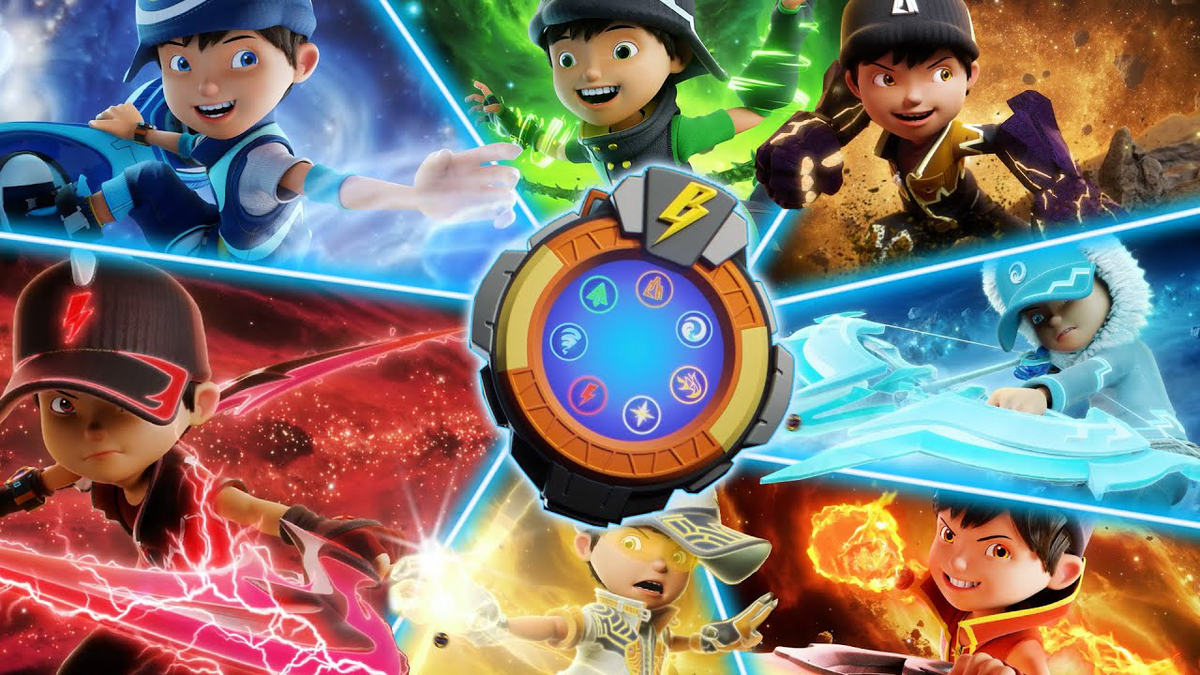
Modern kids' entertainment relies heavily on fast-paced action and bright visuals to keep young viewers glued to screens. Yet, series that endure do so by anchoring high-stakes fantasy in genuine emotional growth. An effective example of this balance is BoBoiBoy, an animated superhero franchise produced by Monsta Studios. Beyond the elemental battles and alien conflicts, the series uses its protagonist's unique superpower mechanics to mirror how children process internal conflict, self-doubt, and interpersonal communication.
Emotional intelligence in children's media isn't just about moral lectures. It's about showing characters who stumble, experience frustration, and have to regulate their reactions under pressure. When kids watch a narrative where feelings directly dictate capability, they absorb practical frameworks for handling their own mental states. Let's examine how contemporary animation uses character design and plot structure to build emotional literacy.
The Mechanics of Elemental Splits and Internal Conflict
The central gimmick of BoBoiBoy is the protagonist's ability to split into multiple elemental versions of himself, such as lightning, wind, earth, fire, and ice. Narrative-wise, these splits represent distinct facets of personality and emotional temperament rather than just tactical options.
- Quake (Earth): Embodies grounded stability, patience, and heavy defense when facing overwhelming odds.
- Cyclone (Wind): Reflects restless high energy, agility, and sometimes impulsive decision-making.
- Thunderstorm: Channels intense focus, speed, and sharp reactions born from high-stress urgency.
When these split forms experience separation anxiety or emotional fatigue, the character faces memory loss or cognitive overload. This narrative choice teaches a subtle lesson: fragmenting your personality or suppressing certain emotional responses has a cost. True strength requires reintegrating all parts of yourself—both calm and volatile—into a cohesive whole.
Moving Beyond Action: How Kids Process Character Empathy
Traditional cartoons often divide characters strictly into heroes and villains, but modern writing focuses on nuance. Antagonists like Adu Du start as one-dimensional threats but acquire layered motivations and vulnerabilities over time. This shift encourages young viewers to look past surface behaviors and consider why someone acts out.
- Recognizing Frustration: Characters frequently miscalculate because of ego or impatience, allowing viewers to spot behavioral pitfalls in real-time.
- Shared Vulnerability: Heroes face genuine near-death experiences and failures, normalizing the feeling of being overwhelmed.
- Team Dynamics: No single hero solves every crisis alone; victory depends on acknowledging a friend's specialized strengths.
For parents and educators evaluating media consumption, choosing shows with collaborative problem-solving reduces anti-social mimicry. Studies on media imitation show that children naturally replicate the verbal cues and conflict resolution styles of characters they admire. When a show emphasizes cooperation over dominance, kids carry those social templates onto the playground.
Practical Ways to Reinforce Emotional Intelligence at Home
Watching an animated series with emotional subtext opens the door for meaningful conversations between kids and caregivers. You don't need a formal lesson plan to help children connect fiction to their daily lives.
- Pause and Predict: During a tense scene, ask your child how they think a character is feeling and why their body language looks that way.
- Map the Elements: If your child enjoys character splits, ask them which elemental form matches their mood when they're feeling angry, quiet, or hyperactive.
- Discuss Alternatives: After a conflict episode, talk about alternative ways the characters could have communicated without escalating the argument.
- Validate Over Reactions: Remind children that feeling overwhelmed—like the character mental strain seen in split-form fatigue—happens in real life, and taking a break helps reset focus.
Common Mistakes in Evaluating Kids' Media
Adults often misjudge what makes a show valuable for child development. Avoiding these common assessment pitfalls ensures kids get a healthy media diet.
- Dismissing Animation as Pure Escape: Assuming action cartoons lack educational value ignores how intensely children map their own emotional growth onto heroic struggles.
- Focusing Solely on Explicit Morals: Shows that explicitly lecture children often feel patronizing. Real emotional intelligence is absorbed implicitly through narrative consequences.
- Ignoring Media Balance: Relying entirely on passive viewing without post-watch conversations misses the chance to solidify cognitive takeaways.
To explore broader trends in children's television standards, you can read guidelines provided by organizations like Common Sense Media, which evaluate age-appropriateness and developmental impact. Additionally, official updates on production standards can be found directly through Animation Magazine, tracking how global studios tackle emotional themes.
Frequently Asked Questions
What age group is BoBoiBoy best suited for?
The series targets children aged 6 through 12. Younger viewers enjoy the bright colors and slapstick comedy, while older kids engage with the multi-episode story arcs, character evolution, and strategic team dynamics.
How does animation help build emotional intelligence compared to books?
Animation combines visual cues, voice acting, and musical scoring to give immediate feedback on a character's internal state. This multi-sensory input helps younger children who are still developing emotional literacy recognize micro-expressions and tone of voice.
Can fast-paced action shows cause behavioral issues?
Some studies note that overexposure to aggressive media can trigger short-term imitation, but narrative framing matters immensely. Shows that balance conflict with teamwork, apology, and emotional regulation help mitigate aggressive impulses by demonstrating positive resolution.
Why are character flaws important in kids' entertainment?
Flaws make characters relatable. When a hero makes mistakes out of stubbornness or pride, children see that failure is a normal part of learning rather than a permanent defect.



