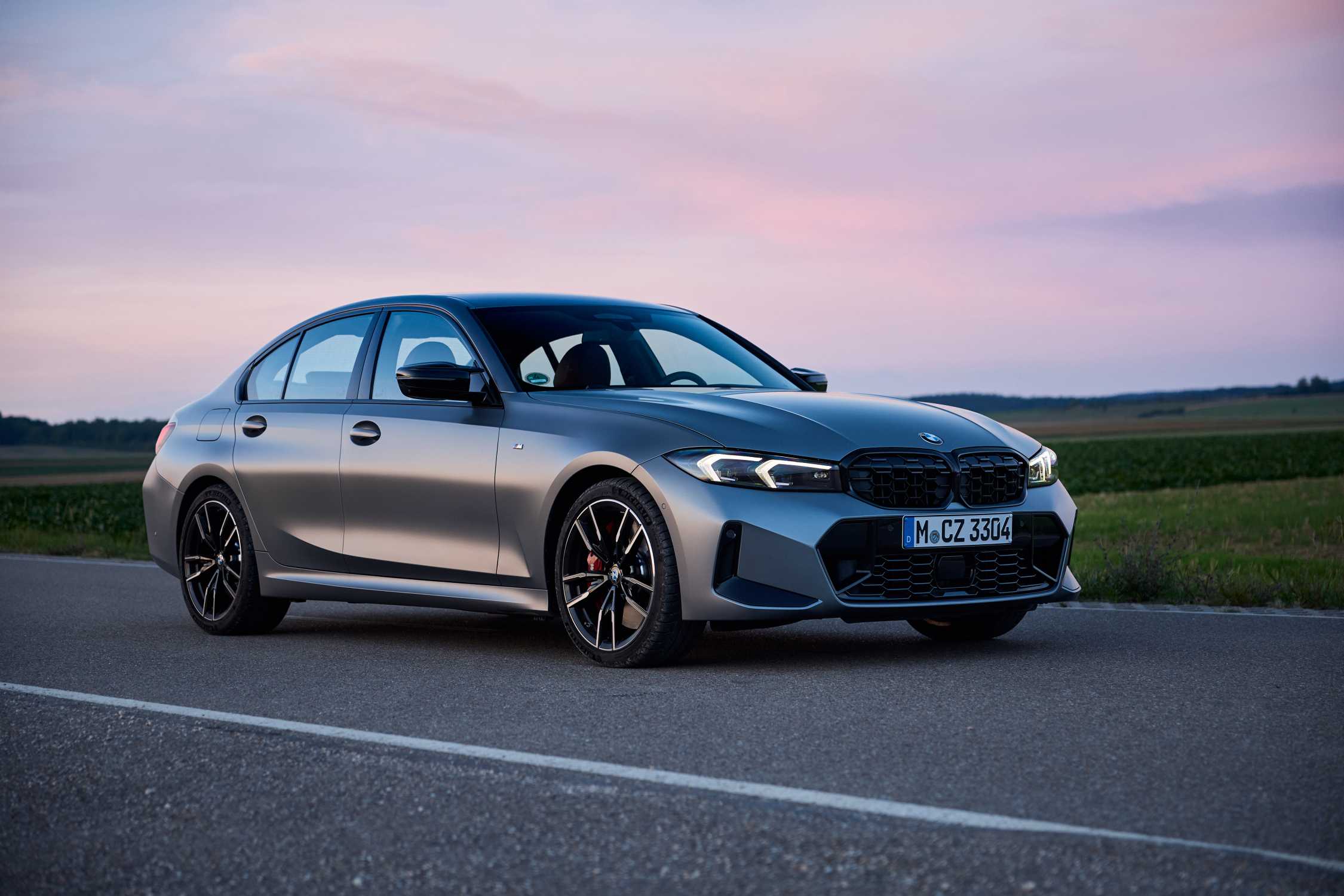
When the BMW X5 M50i arrived on showroom floors, it bridged the gap between everyday luxury utility and track-adjacent muscle. Underneath its sculpted hood sits a potent 4.4-liter V8 bi-turbo engine engineered to move a heavy chassis with startling urgency. It punches out 523 horsepower and 553 lb-ft of torque, transforming a family-oriented hauler into an apex predator on asphalt.
The factory-governed top speed of the BMW X5 M50i hits an electronically limited 155 mph (250 km/h). While aerodynamics and weight dictate this ceiling, the engineering story is found in how quickly and smoothly the vehicle reaches that velocity. Zero to 60 mph arrives in roughly 4.1 to 4.3 seconds, a metric that defies the SUV's physical footprint.
Powerplant and Engineering Blueprint
The mechanical heartbeat of the X5 M50i is the N63 twin-turbocharged V8. Unlike traditional forced-induction setups that suffer from lag, this engine deploys its peak torque of 553 lb-ft down at 1,800 rpm and holds it steady.
- Hot-V Configuration: The twin turbochargers sit nestled inside the "V" of the cylinder blocks. This shortens the exhaust path, reducing turbo lag and sharpening throttle response.
- Direct Fuel Injection: High-pressure injectors atomize fuel precisely into the combustion chambers, optimizing efficiency despite the massive displacement.
- Cooling Matrix: Additional radiators and high-flow fans keep thermal loads in check during repeated high-speed runs.
Power routes through a sport-tuned 8-speed Steptronic automatic transmission paired with an intelligent xDrive all-wheel-drive system. The gearbox shifts with crisp calculation, dropping gears instantly when you demand passing power on the highway. For official engineering background on BMW's powertrain development, look to BMW Group.
Handling Dynamics and Chassis Control
Weighing over 5,000 pounds means raw horsepower is only half the battle. To manage momentum through tight turns, BMW integrated sophisticated chassis hardware that alters the personality of the vehicle depending on the selected drive mode.
Suspension and Adaptive Dampers
Standard adaptive M suspension uses electronically controlled dampers that react to road conditions in milliseconds. Body roll remains minimal during aggressive cornering. When you switch into Sport mode, the damping firms up, reducing pitch and dive under heavy braking.
M Sport Differential and Braking
The electronically controlled rear M Sport differential distributes torque between the rear wheels dynamically. If you power out of a tight bend, it pinpoints traction to the outside wheel to tuck the nose into the corner. Haunting down from triple-digit speeds is handled by massive ventilated disc brakes adorned with multi-piston M calipers, resisting fade even under heavy track-day stress.
Real-World Performance vs. Paper Specifications
Numbers on a specification sheet rarely tell the complete story of a daily driver. On paper, a 155 mph top speed is standard for German performance machines limited by electronic collars. In practice, the X5 M50i feels remarkably stable at high velocities.
Cabin isolation keeps wind noise minimal, masking the actual speed you're traveling. Drivers must watch the head-up display closely; what feels like 70 mph on a modern highway translates effortlessly into triple digits without drama. To read broader independent automotive analysis and safety testing data, check out Car and Driver.
Common Ownership Pitfalls and Maintenance Realities
Living with a high-output luxury performance SUV requires mindfulness regarding maintenance. Neglecting service intervals will degrade performance quickly.
- Tire Wear: Due to staggered wheel setups and heavy vehicle weight, inner tire edges wear down faster. Expect to replace high-performance rubber more frequently than standard utility vehicles.
- Coolant and Oil Management: Direct-injection twin-turbo V8 engines run hot. Check oil levels regularly between standard service intervals to prevent premature component wear.
- Brake Component Costs: Replacement rotors and pads for the M Sport braking system carry a steep price tag compared to base models.
Frequently Asked Questions
Can the electronic speed limiter be removed?
Yes. Aftermarket tuners offer software flashes that remove the 155 mph restriction, allowing the vehicle to push past 170 mph. However, doing so voids factory powertrain warranties and requires tires rated for sustained ultra-high speeds.
How does the M50i differ from the full-fat X5 M?
The X5 M50i acts as a performance-oriented stepping stone. It features a tuned version of the standard V8 making 523 horsepower, whereas the dedicated X5 M pushes output to 600 or 617 horsepower alongside a stiffer, track-focused chassis setup.
Is the X5 M50i suitable for towing?
Despite its sports car acceleration, it retains utility. Properly equipped, it can tow up to 7,200 pounds, making it capable of hauling boats or trailers without breaking a sweat.
What is the fuel economy during aggressive driving?
While highway cruising can return reasonable efficiency, spirited driving drops fuel economy into the single digits or low teens. The large 21.9-gallon fuel tank is mandatory equipment to keep range anxiety at bay.



