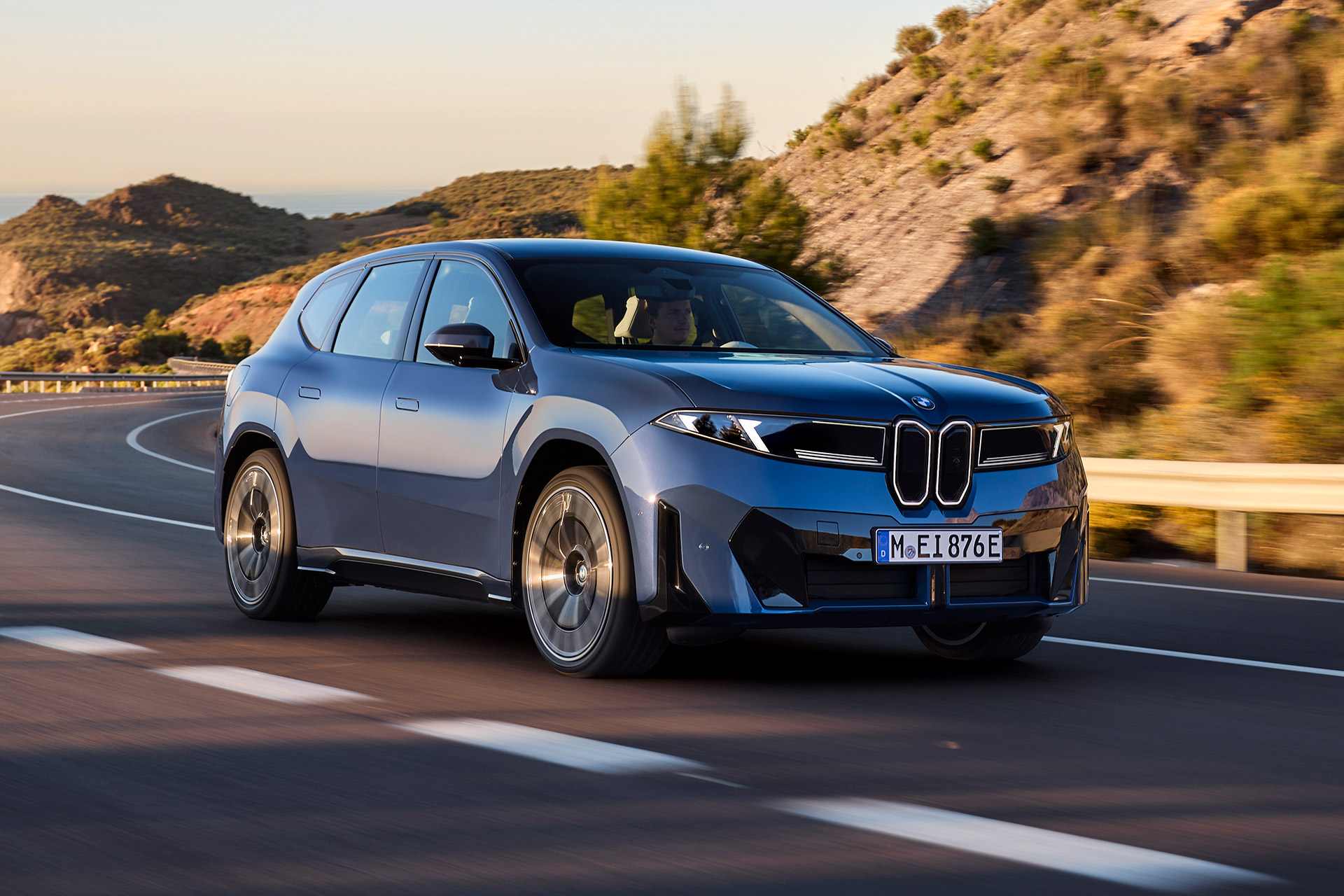
Choosing a compact luxury coupe SUV usually comes down to brand identity and daily practicality. The BMW X2 and the Audi Q3 Sportback target drivers who want elevated driving positions without the boxy shape of traditional utility vehicles. They blend sloping rooflines with high-end cabin tech, yet their engineering philosophies differ significantly on the road. If you're weighing these two German entries, you need to look past the badge and evaluate how they handle cargo, fuel efficiency, and software usability.
The BMW X2 leans heavily into an aggressive, fastback silhouette that shares its aggressive styling cues with larger brand stables like the X4 and X6. It feels sharper around corners, prioritizing driver engagement. Meanwhile, the Audi Q3 Sportback emphasizes understated elegance, everyday comfort, and a planted, predictable ride quality. Knowing which vehicle claims the top spot depends on whether you value dynamic handling or interior flexibility more during your daily commute.
Exterior Design and Road Presence
The design clash between these two models is stark. BMW redesigned the X2 to move away from its hatchback roots, transforming it into a proper mini-SAV with a pronounced roof rake and muscular rear haunches. It looks lower, wider, and far more aggressive than its predecessor. Sharp angles, slim LED headlights, and an available illuminated grille give it a commanding road presence that demands attention in traffic.
Audi takes a more organic approach with the Q3 Sportback. It features a sweeping roofline that tapers gracefully toward the rear hatch, integrating the brand's signature Singleframe grille up front. While the Audi looks sophisticated and clean, it lacks the raw visual drama of the BMW. If you want a vehicle that blends into a corporate parking lot without fuss, Audi's approach works well. If you want something that looks custom-built and bold right off the showroom floor, the BMW makes a louder statement.
Interior Cabin Layout and Technology
Step inside both cabins, and you'll notice divergent approaches to dashboard architecture and user controls. BMW equips the X2 with a curved widescreen display running the latest operating software, which reduces physical buttons significantly. Most climate and media controls live inside touchscreen menus or respond to voice commands. The materials feel modern, utilizing textured fabrics and ambient lighting that appeals to tech-focused buyers.
Audi retains a slightly more traditional layout in the Q3 Sportback, though it still integrates digital screens effectively. You get physical toggles for core climate functions, which many drivers prefer for tactile convenience while moving. Audi's Virtual Cockpit remains an industry benchmark for clarity, putting map data directly in front of the steering wheel.
- BMW X2 cabin highlights: Curved dual-screen display, minimalist dash layout, sports seats with integrated headrests.
- Audi Q3 Sportback cabin highlights: Physical climate dials, crisp digital gauge cluster, supportive seating with traditional stitching.
Performance and Driving Dynamics
Driving dynamics separate these machines immediately. The BMW X2 feels eager, featuring stiffened suspension tuning and responsive steering that encourages spirited driving on winding roads. Body roll is minimal, and power delivery from the turbocharged engine options hits hard down low. It feels closer to a hot hatch on stilts than a traditional crossover.
The Audi Q3 Sportback prioritizes composure and ride isolation. It absorbs potholes and rough pavement with greater compliance, keeping the cabin quiet and serene on long highway stretches. While it handles corners safely and predictably, it doesn't egg you on to push harder through tight apexes. Drivers who prioritize comfort will lean toward the Audi, while enthusiasts will gravitate to the BMW. You can read more about current vehicle specs directly on the BMW official site and the Audi global portal.
Practicality, Cargo Space, and Daily Usability
Coupe SUVs inherently sacrifice some cargo utility for styling, but these two manage space differently. The BMW X2 provides roughly 25 cubic feet of cargo room behind the rear seats, which beats out many competitors in this class. Its squared-off hatch opening helps when loading bulky items, though the sloping roof restricts exceptionally tall boxes.
The Audi Q3 Sportback features a sliding and reclining rear bench, giving you flexibility to prioritize either legroom or trunk volume depending on the trip. Total cargo capacity maxes out near competitive figures, but rear headroom in both cars is tight for adult passengers taller than six feet due to the descending rooflines.
Common Mistakes When Choosing a Coupe SUV
Buyers frequently make a few predictable missteps when cross-shopping luxury compacts. Avoid these errors to ensure long-term satisfaction with your purchase:
- Ignoring rear visibility: The sweeping rear glass on both models limits sightlines. Always test the rearview camera and blind-spot monitoring systems in tight parking garages.
- Overlooking wheel size impacts: Large 20-inch wheels look exceptional on spec sheets, but they degrade ride comfort significantly over broken city asphalt. Stick to 18- or 19-inch setups if comfort matters.
- Skipping a real-world child seat test: If you frequently haul car seats, check the rear door aperture. The sloping frame can make loading toddlers slightly more awkward than in a standard square SUV.
Frequently Asked Questions
Which model offers better fuel economy?
Both models return comparable figures in real-world driving, typically averaging between 24 and 30 miles per gallon depending on whether you choose front-wheel-drive or all-wheel-drive variants. Lighter engine tunes on base trims yield better efficiency for city commuters.
Are these vehicles suitable for long road trips?
Yes, both feature supportive front seats and advanced driver assistance suites that reduce fatigue on long stretches of highway. However, rear-seat passengers may feel cramped during multi-hour drives compared to traditional compact SUVs.
Do they come with all-wheel drive standard?
Availability depends heavily on regional market specifications. Some base configurations offer front-wheel drive to lower the entry price, while higher trims or performance variants bake in intelligent all-wheel-drive systems for enhanced traction.
How do maintenance costs compare?
Luxury German nameplates carry similar maintenance requirements. Routine services like oil changes, brake replacements, and filter swaps require specialist attention, and using authorized service centers keeps components covered under manufacturer warranties.



