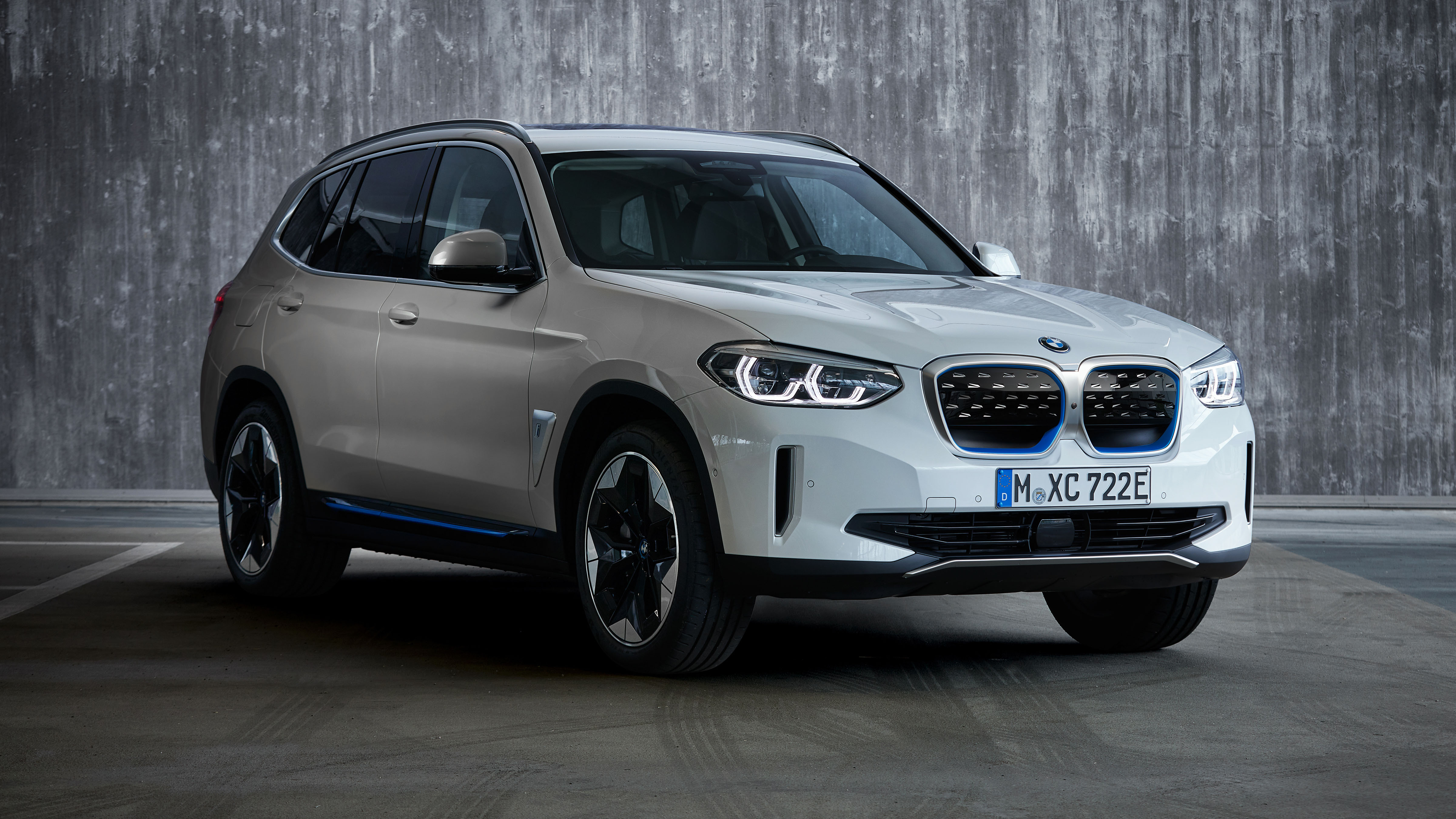
The automotive industry is undergoing a massive shift toward zero-emission powertrains, forcing manufacturers to look beyond traditional battery-electric setups. While online rumors and fabricated content often link BMW with heavy-truck startups like Nikola Corporation, the actual corporate reality is quite different. BMW has never partnered with Nikola Corp; instead, the German luxury automaker has charted its own course in hydrogen fuel cell technology through high-profile alliances with Toyota and large-scale internal logistics integrations.
Understanding how premium manufacturers are actually electrifying the future requires separating internet myths from engineering realities. Clean transport relies on a multi-pathway strategy where battery-electric vehicles and hydrogen fuel cell electric vehicles work side by side to solve heavy freight and passenger mobility challenges.
The Reality Behind BMW and Clean Mobility Alliances
If you search online, you might stumble upon speculative articles claiming a massive partnership between BMW and Nikola Corp. In reality, these claims stem from AI-generated or unverified blog networks that blend separate industry news stories. Nikola Corporation focused primarily on heavy-duty commercial semi-trucks and faced significant financial restructuring, filing for Chapter 11 bankruptcy protection.
BMW, meanwhile, has taken a measured, engineering-first approach. Rather than aligning with troubled startups, BMW cemented a long-term partnership with Toyota Motor Corporation. Together, both global giants pool their resources to co-develop next-generation fuel cell powertrain systems. This collaboration allows passenger and commercial vehicle applications to share core stack architectures, driving down production costs without compromising individual brand identities.
Hydrogen Fuel Cells Versus Battery-Electric Systems
To understand why BMW continues investing heavily in hydrogen alongside its battery-electric lineup, you have to look at the physics of long-distance transport and heavy logistics.
Battery-electric vehicles excel in passenger cars and urban delivery vans where daily mileage is predictable and overnight charging is readily available. However, heavy freight and high-utilization corporate transport face distinct hurdles:
- Refuelling Speed: Filling a hydrogen tank takes a fraction of the time required to recharge a massive commercial battery pack, matching the cadence of diesel pit stops.
- Payload Capacity: Fuel cell systems and their hydrogen storage tanks weigh significantly less than equivalent multi-hundred-kilowatt-hour battery arrays, preserving critical cargo weight allowances.
- Grid Independence: Heavy adoption of battery-electric fleets places immense localized strain on municipal power grids, whereas hydrogen can be produced, stored, and transported independently.
BMW's real-world testing proves these concepts. Following global fleet trials with the BMW iX5 Hydrogen pilot fleet, the company announced plans to launch its first series-production hydrogen fuel cell passenger vehicle.
Integrating Clean Energy into Corporate Logistics
Electrifying transport isn't just about what dealerships sell to consumers; it starts inside factory walls and supply chains. BMW has deployed hydrogen fuel cell industrial trucks and automated refuelling stations at manufacturing hubs like its Leipzig plant in Germany.
By incorporating hydrogen-powered logistics trucks into daily factory operations, the company gathers real-time telemetry on reliability, thermal management, and energy efficiency. This closed-loop testing ensures that when mass-market hydrogen vehicles reach showrooms, the supporting infrastructure and supply chains are already mature. You can read more about these logistics updates directly on the BMW Group Newsroom.
The Path to 2028 and Beyond
The transition to a hydrogen economy requires patience, capital investment, and strict regulatory frameworks. BMW's technology-open approach ensures that customers aren't forced into a single ecosystem. Whether someone prefers a plug-in hybrid, a pure battery-electric vehicle, or a hydrogen fuel cell model, the goal is to reduce carbon emissions across every segment.
As fuel cell component costs drop through shared automotive procurement and green hydrogen production scales up globally, the infrastructure bottleneck will gradually ease. Automakers that stay flexible will likely weather supply chain shifts much better than those betting entirely on a single chemical composition. You can track broader industry standards and fuel cell advancements through organizations like the Hydrogen Council.
Frequently Asked Questions
Did BMW ever partner with Nikola Corporation?
No. BMW has never entered into a corporate partnership with Nikola Corporation. Speculative claims or articles linking the two brands are typically unverified or AI-generated content floating on content farms. BMW's actual major hydrogen partner is Toyota.
When will BMW release a hydrogen-powered production car?
BMW plans to launch its first-ever series-production fuel cell electric vehicle for retail customers. This vehicle will be integrated directly into the existing model portfolio as an alternative powertrain choice.
Why does BMW use hydrogen instead of just making bigger batteries?
Hydrogen offers much faster refuelling times and lighter vehicle weight profiles, which are essential advantages for long-distance driving and heavy transport where heavy battery packs eat into useful load capacity.
What is the main technical challenge for hydrogen cars?
The primary hurdle is the limited availability of public hydrogen refuelling stations. While fueling a car takes only minutes, expanding the network requires heavy investment from energy providers and governments.



