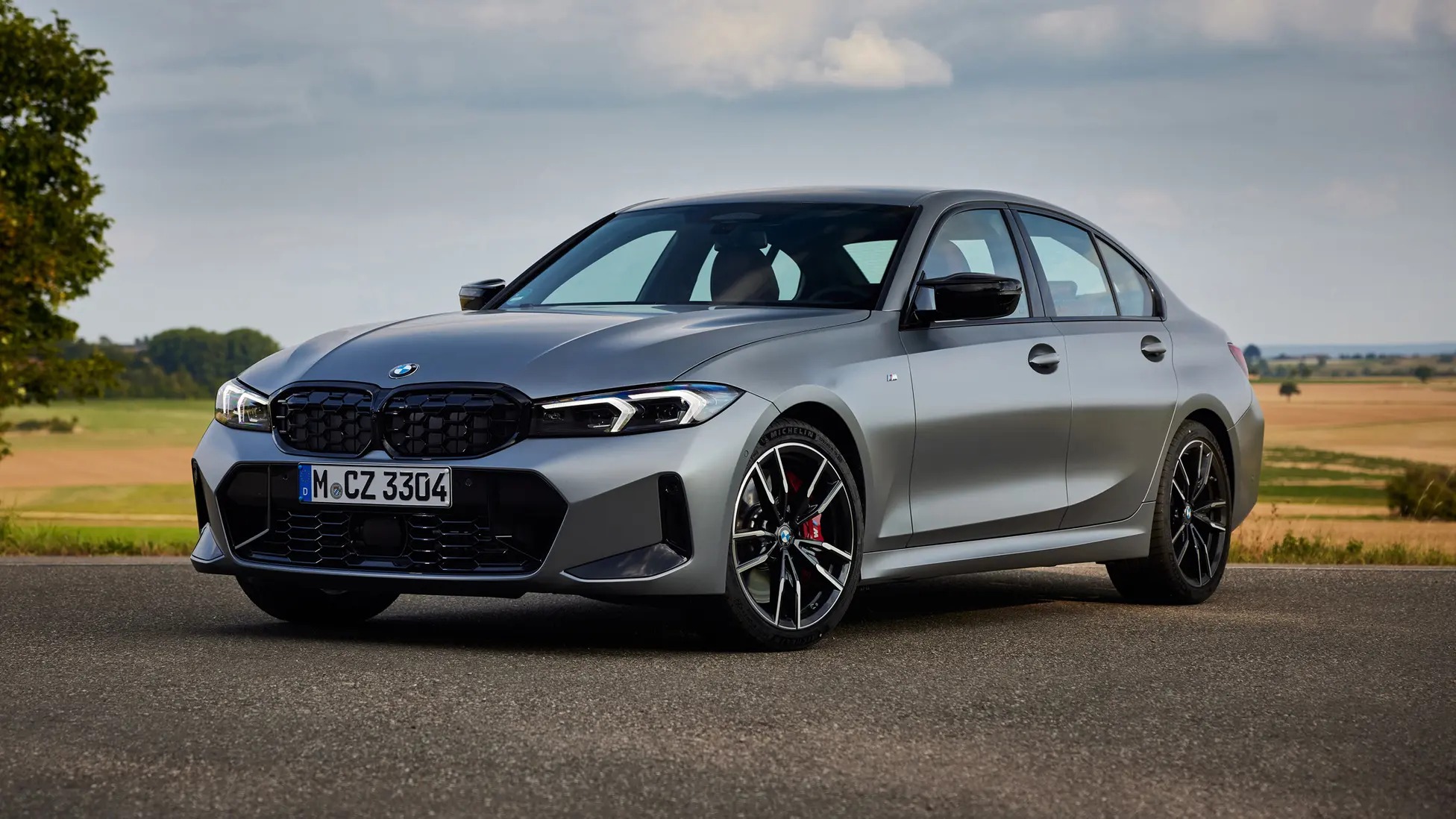
The modern midsize luxury segment demands a delicate balance between executive comfort and track-adjacent power. Buyers shopping this tier expect silent highway cruising paired with genuine athletic capability when the road clears. The BMW 540i M Sport targets this exact intersection, bridging the gap between standard executive transporters and full-blown M cars.
When equipped with the M Sport package, the current-generation BMW 540i launches from 0 to 60 mph in 4.4 seconds for the xDrive all-wheel-drive variant, while rear-wheel-drive editions handle the sprint in roughly 4.6 to 4.9 seconds depending on factory conditions. Under the hood sits a turbocharged 3.0-liter inline-six engine paired with a 48V mild-hybrid system, pumping out 375 horsepower and 398 lb-ft of torque. It’s an executive sedan built for daily commuting that refuses to compromise on straight-line authority.
Performance and Powertrain Dynamics
The mechanical heartbeat of the 540i is BMW's signature B58 inline-six engine. Over successive generations, this powerplant has earned a reputation for bulletproof reliability, smooth power delivery, and thermal efficiency. The integration of mild-hybrid technology fills in low-end turbo lag, providing immediate throttle response the moment you tip into the pedal.
Power routes through a ZF eight-speed automatic transmission. Shifts are lightning-fast under heavy acceleration and nearly imperceptible during normal city driving. M Sport configurations add specific transmission tuning that holds gears longer in Sport mode, letting the engine breathe right up to its redline.
- Horsepower: 375 hp at 5,200–6,250 rpm
- Torque: 398 lb-ft at 1,850–5,000 rpm
- Transmission: 8-speed sport automatic with paddle shifters
- Drivetrain: Rear-wheel drive or intelligent xDrive all-wheel drive
Handling and Ride Quality with M Sport
The standard 5 Series leans toward isolated luxury, but adding the M Sport package completely alters the car's personality. It introduces stiffer anti-roll bars, firmer spring rates, and an aerodynamically aggressive body kit with larger air intakes and dark shadowline trim.
Body roll in tight corners is exceptionally well-controlled for a sedan weighing over 4,000 pounds. Steering weight builds naturally as you increase speed, offering far more road feedback than rivals from Audi or Mercedes-Benz. Drivers seeking maximum agility can add adaptive suspension damping, which shifts the car from a plush cruiser on broken asphalt to a flat-cornering sport sedan at the push of a button.
Interior Comfort and Cabin Technology
Inside the cabin, the layout fuses minimalism with high-end digital architecture. The curved display integrates a 12.3-inch digital instrument cluster and a 14.9-inch central touchscreen running the latest operating software. Physical buttons are sparse, as climate and vehicle controls migrate to voice commands or the glass-accented interface.
M Sport styling brings distinct touches to the interior environment. You get a thick-rimmed leather steering wheel, M-specific door sills, and heavily bolstered sport seats designed to keep occupants planted during aggressive cornering. Legroom in both rows is generous, easily accommodating adults on long road trips without fatigue.
- Infotainment: BMW iDrive with wireless Apple CarPlay and Android Auto
- Seating: Power-adjustable sport seats with memory and heating functions
- Audio: Available premium surround sound systems for audiophiles
- Cargo Space: 18 cubic feet of trunk capacity, ideal for luggage and golf bags
Fuel Economy and Real-World Efficiency
Despite producing 375 horsepower, the 540i remains surprisingly frugal on fuel thanks to its hybrid assistance and tall eighth gear. EPA estimates rate the xDrive model at roughly 26 mpg city and 32 mpg highway. On a long highway stretch, it's entirely realistic to exceed 500 miles of total range on a single tank.
Common Ownership Pitfalls to Avoid
Shoppers transitioning into a modern performance luxury sedan often overlook specific configuration details that impact long-term satisfaction:
- Skipping the Adaptive Suspension: If you prioritize twisty backroads, don't buy an M Sport model without upgrading to the adaptive suspension dampers. The standard fixed M Sport setup can feel harsh over sharp city potholes.
- Ignoring Wheel and Tire Packages: Large 20-inch or 21-inch wheels look stunning on the showroom floor, but low-profile tires drastically increase the risk of sidewall blowouts on rough winter roads. Stick to 19-inch setups if you live in an area with poor infrastructure.
- Underestimating Option Creep: The base MSRP is appealing, but adding packages like the Driving Assistance Professional suite or executive comforts can quickly inflate the final price tag by thousands of dollars.
For official manufacturer specifications and custom builds, you can explore the BMW USA 5 Series Overview. To evaluate long-term maintenance trends, reviewing insights on platforms like CarEdge BMW 540 Costs helps clarify depreciation and upkeep realities.
Frequently Asked Questions
Is the BMW 540i faster than a BMW M550i?
No. The M550i (and subsequent M performance V8 variants) utilizes a twin-turbo V8 engine with significantly higher horsepower, pushing 0-60 mph times well into the sub-4-second range. The 540i acts as the sweet spot for efficiency and everyday speed.
Does the M Sport package add more horsepower?
No. The M Sport package is purely cosmetic and handling-focused, adding aerodynamic body elements, stiffer suspension tuning, unique wheels, and interior styling upgrades. Engine output remains identical to non-M Sport trims.
Can you get the 540i with rear-wheel drive?
Availability varies by model year and regional market. While earlier generations offered rear-wheel drive as standard, newer iterations heavily favor the rear-biased xDrive all-wheel-drive system for enhanced traction.
How expensive is routine maintenance on a modern 540i?
While standard synthetic oil changes and filter replacements run comparable to other luxury brands, specialized electronic diagnostics, brake replacements, and out-of-warranty repairs require a higher maintenance budget than standard commuter vehicles.



