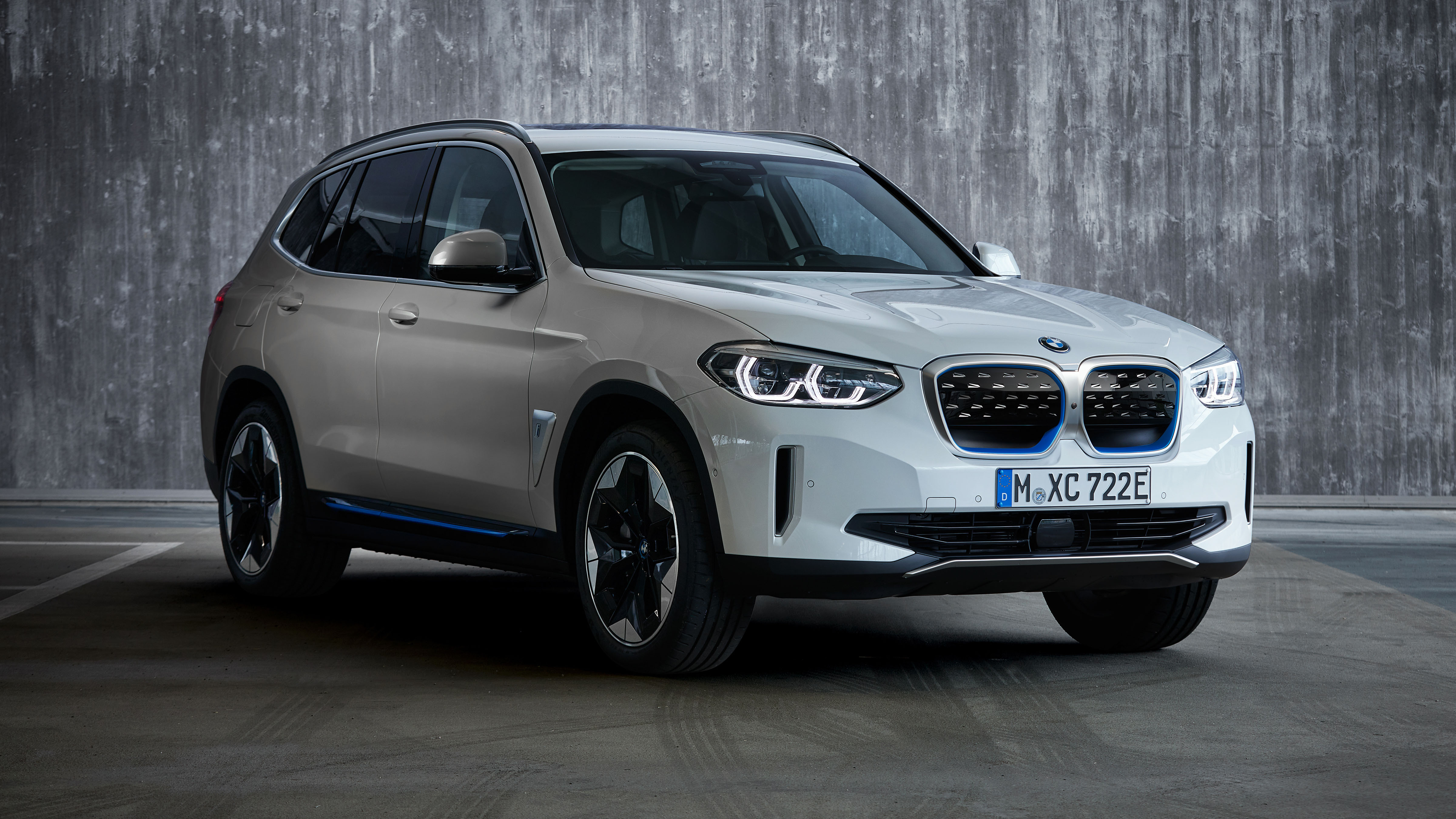
When enthusiast drivers talk about modern turbocharged performance, the conversation almost always lands on the BMW 340i M Sport. Packing the legendary B58 engine under its hood, this sports sedan achieves a factory-tested 0-60 mph time of roughly 4.6 to 4.8 seconds for rear-wheel-drive variants, while all-wheel-drive xDrive models drop that sprint down to a blistering 4.2 to 4.4 seconds. Beyond simple stopwatch metrics, the car established a new benchmark for everyday tuning capability and inline-six smoothness when it replaced the older N55 motor.
To understand why this specific car holds such a revered place in modern car culture, we have to look past standard manufacturer claims. Real-world testing, drivetrain layouts, and the heavy influence of the M Sport package completely change how the vehicle behaves on both the street and the drag strip.
Factory Performance Specifications and Actual 0-60 Times
Manufacturer specifications often lean on the conservative side to protect higher-tier M cars like the M3, but independent testing routinely clips tenths of a second off BMW's official claims.
The F30-generation 340i M Sport introduced the B58 single-turbo 3.0-liter inline-six, pumping out 320 horsepower and 330 lb-ft of torque (or 326 hp in European spec). Paired with the ZF 8-speed automatic transmission, a stock rear-wheel-drive 340i consistently hits 60 mph from a standstill in 4.7 seconds under ideal track conditions.
- 2016-2018 (F30 Generation): RWD models achieve 0-60 mph in 4.7 to 4.9 seconds; xDrive models accomplish the same feat in 4.4 to 4.6 seconds.
- 2020+ (G20 M340i Generation): Power bumps to 382 horsepower, pushing the rear-wheel-drive variant to 60 mph in 4.1 seconds and the xDrive model down to 3.8 to 4.0 seconds.
Quarter-mile times mirror this impressive pace. A stock F30 340i clears the standing quarter-mile in roughly 13.3 seconds at around 105 to 108 mph, whereas the newer G20 generation cuts deep into the 12-second bracket straight from the factory floor.
The Role of the M Sport Package in Acceleration
Many buyers confuse standard trim levels with true performance hardware. The M Sport package alters how the car puts power down through several mechanical and aerodynamic upgrades.
Suspension and Chassis Tuning
The M Sport suspension drops the vehicle's ride height by roughly 10 millimeters, utilizing stiffer springs, firmer damper settings, and thicker anti-roll bars. This reduction in body roll prevents weight transfer from upsetting the rear tires during hard launches. When you stomp the throttle, the squat is controlled, allowing the contact patch to maintain maximum grip.
Wheel and Tire Dynamics
M Sport variants typically feature wider rear wheels wrapped in performance-oriented summer rubber. Wider rubber increases the mechanical grip threshold, directly improving 0-60 mph traction by minimizing wheelspin during hard gear shifts. Cars equipped with standard all-season tires on smaller wheels often struggle to match these figures in cold weather.
Aerodynamic Adjustments
Front bumper fascias and side sill designs on the M Sport variant reduce high-speed aerodynamic lift. While top-end stability benefits most from these shapes, the balanced downforce keeps the chassis planted as the vehicle climbs through triple-digit speeds.
How Drivetrain Choices Impact Launch Performance
Choosing between rear-wheel drive and xDrive all-wheel drive completely alters your launch strategy.
Rear-wheel-drive models require precise throttle modulation. Without a limited-slip differential from the factory (though many owners add an M Performance LSD later), launching a stock RWD 340i on a unprepared surface results in instant wheel slip. Drivers must rely on exact tire pressures and warm asphalt to extract that 4.7-second time.
Conversely, the xDrive system removes almost all guesswork. By intelligently splitting torque to the front wheels the moment rear slip is detected, the car hooks up aggressively off the line. This mechanical advantage explains why xDrive models consistently pull ahead of RWD variants during the first 60 feet of acceleration, even if highway roll-on races favor the lighter rear-wheel-drive setup.
Common Modifications for Better Acceleration Times
The B58 engine is famously over-engineered, making it a favorite for aftermarket tuning. Owners looking to drop their 0-60 mph times without changing the core engine architecture typically focus on three distinct areas.
- Stage 1 ECU Tune: A simple software flash without hardware changes pushes power past 400 horsepower, often dropping RWD 0-60 times into the low 4-second range.
- Upgraded High-Pressure Fuel Pump (HPFP): Essential for running E85 fuel blends, allowing aggressive ignition timing and massive mid-range torque gains.
- Sticky Compound Tires: Replacing factory grand touring tires with dedicated track-day rubber provides the physical grip needed to handle increased horsepower outputs.
Frequently Asked Questions
Is the BMW 340i faster than an older M3?
In straight-line acceleration, a stock modern 340i (especially the G20 generation) matches or beats older V8-powered M3 models like the E90, while coming remarkably close to the F80 M3 during real-world street roll races due to its instantaneous turbo spool and all-wheel-drive traction.
Does the manual transmission slow down the 340i?
Yes. While the rare manual transmission models offer a more engaging driving experience, the lightning-fast shifts of the ZF 8-speed automatic make it roughly three-tenths of a second quicker to 60 mph.
What fuel should I use to get factory acceleration times?
To achieve official performance numbers, you must run 91 or 93 octane premium unleaded gasoline. Running lower octane fuel forces the engine's knock sensors to retard timing, resulting in a noticeable drop in power.
Can you launch control a stock 340i?
Yes. Putting the transmission into Sport mode, shifting the gear lever to manual/sport, turning traction control to dynamic traction control (DTC), holding the brake firmly, and flooring the accelerator activates the factory launch control routine on automatic models.
How reliable is the B58 engine when pushed hard?
The B58 engine is widely regarded as one of modern BMW's most reliable powerplants. It handles moderate software tunes very well, provided you stick to strict oil change intervals of every 5,000 to 7,500 miles.



