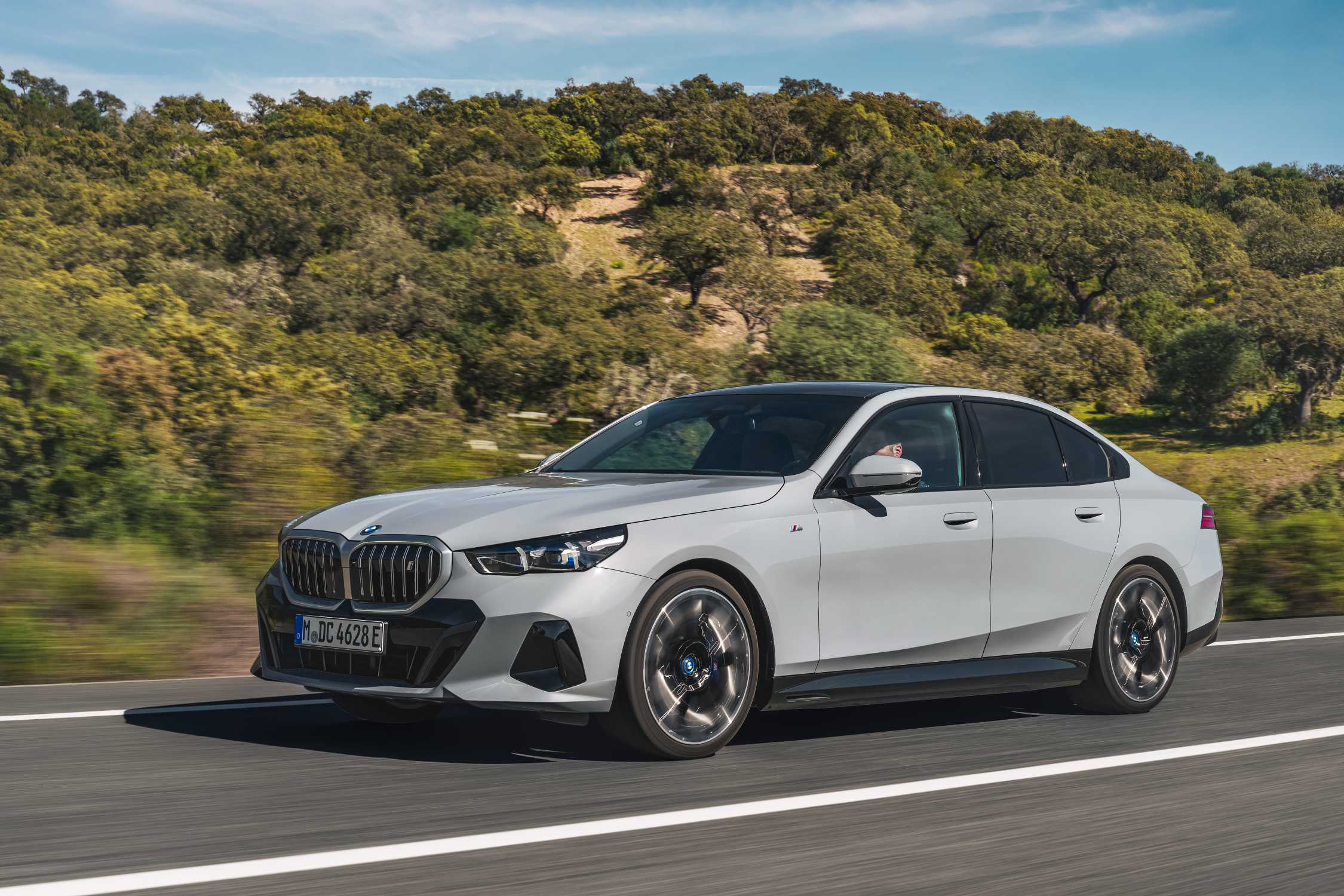
When people talk about the BMW 340i horsepower figures, they're really talking about the arrival of the legendary B58 inline-six engine. Released for the 2016 model year in the F30 generation, the 340i replaced the older N55 and changed what enthusiasts expected from a standard non-M BMW sedan. Factory power outputs sat at 320 to 326 horsepower (320 hp in the US, 326 PS/322 hp in Europe) with 332 lb-ft of torque, laying the groundwork for a platform that would later power everything from the Toyota Supra to heavy-duty X-series SUVs.
Understanding this engine means looking past marketing badges and examining how the closed-deck block, twin-scroll turbocharger, and thermal management work together. Whether you're comparing factory variants, looking at dyno results, or considering what happens when you turn up the boost, the numbers tell a clear story of over-engineered capability.
Factory Horsepower and Torque Breakdown
The F30 generation BMW 340i (produced from 2015 to 2019) arrived with a single power specification for its base trim, though regional tuning variations existed.
- US Market (2016–2018): 320 horsepower at 5,500–6,500 RPM and 332 lb-ft of torque starting flat from 1,380 RPM.
- European Market: 326 horsepower (326 PS) with the same 332 lb-ft torque curve.
- MPPSK Equipped Cars: Opting for the M Performance Power and Sound Kit bumped output to 355 horsepower and 369 lb-ft of torque via a revised ECU tune and a freer-flowing exhaust valve system.
That low-end torque threshold is what defines the driving experience. Peak torque hits at just 1,380 RPM and stays flat across a massive band. You don't need to wring the engine out to feel acceleration; power is immediate off the line.
Inside the B58: Why the Architecture Matters
To understand why the 340i makes power so reliably, you have to look at the metallurgy and layout of the B58B30M0 engine. Unlike its predecessor, the N55, which used an open-deck design, the B58 features a closed-deck aluminum block.
A closed-deck structure ties the cylinder walls directly to the surrounding block deck, preventing cylinder distortion under high cylinder pressures and heavy boost. This is why tuners can double factory power outputs on stock internals without lifting the head gasket.
- Displacement: 2,998 cc with an 82.0 mm bore and 94.6 mm stroke.
- Compression Ratio: 11.0:1, which aids thermal efficiency and low-end throttle response before the turbo fully spools.
- Intercooler Setup: An integrated water-to-air intercooler built directly into the intake plenum. This shortens the intake path dramatically, cutting turbo lag to nearly zero compared to traditional front-mount air-to-air setups.
Evolution: 340i vs. Later M340i Variants
It's common to confuse the original 340i with the later G20-generation M340i that arrived for the 2020 model year. While both use variations of the B58, they aren't identical.
The M340i uses the updated B58TU1 (Technical Update) engine. BMW raised fuel-system injection pressure from 200 bar to 350 bar, moved the exhaust manifold directly into the cylinder head for faster catalytic converter warm-up, and redesigned the timing chain drive.
Because of these changes, the M340i factory output jumped to 382 horsepower and 369 lb-ft of torque. If you own an older F30 340i, you have the Gen 1 variant, which is robust but requires different fueling considerations if you plan to chase big horsepower numbers.
Real-World Performance and Dyno Realities
Factory numbers are often conservative. Independent dyno testing across multiple continents routinely shows that stock F30 340i models put down roughly 300 to 310 horsepower and over 320 lb-ft of torque at the wheels (whp). Factoring in a standard 12% to 15% drivetrain loss through the ZF 8-speed automatic transmission, BMW's advertised crankshaft figures are entirely honest—if not slightly under-reported.
Acceleration metrics match this mechanical efficiency. A rear-wheel-drive 340i hits 60 mph from a standstill in roughly 4.6 to 4.8 seconds. Opting for the xDrive all-wheel-drive variant drops that time into the 4.4-second range, largely due to immediate traction off the line rather than any peak power advantage.
Tuning Potential and Modifying the B58
The real reason the 340i earned a cult following among gearheads is its headroom for modifications. Because the bottom end uses forged components and a robust crank, minor modifications yield massive gains.
- Stage 1 ECU Tune: Flashing the DME via an OBD port with a quality tune (running on standard 93 octane / 98 RON fuel) pushes a stock 340i to roughly 400–420 horsepower without changing a single hardware piece.
- Stage 2 Modifications: Adding a high-flow downpipe, upgraded charge pipes, and a better intake lets the turbo breathe. Combined with an aggressive map, Stage 2 cars routinely make 450 to 480 horsepower on stock turbochargers.
- Fueling Limitations: The limitation on early F30 340i models isn't the engine block; it's the high-pressure fuel pump (HPFP). If you want to run high-blend ethanol (E50+), you'll need an upgraded auxiliary fuel pump to supply enough volume.
To read more about official engineering details on modern inline-six configurations, you can check resources from BMW USA or technical breakdowns hosted by Car and Driver.
Common Weak Points to Watch
Even though the B58 is widely regarded as one of the most reliable modern performance engines, high mileage or aggressive tuning highlights a few specific areas that need attention.
- Cooling System Plastic Components: Like many modern European engines, the plastic coolant flange and expansion tank degrade over time due to heat cycles. A cracked fitting can lead to rapid coolant loss.
- Oil Filter Housing Leaks: The plastic oil filter housing can warp or leak coolant/oil at the mating surface past 60,000 miles. It's a known maintenance item that shouldn't be ignored if you spot weeping residue.
- Drive Belt Tensioner: On tuned cars running higher boost, the serpentine belt can occasionally slip off if the tensioner pulley weakens, potentially getting sucked past the front crank seal into the engine. Upgraded crank seals or shielding guards are common preventative insurance among owners.
Frequently Asked Questions
Is the B58 engine in the 340i reliable?
Yes. Industry consensus and long-term ownership data place the B58 among the most dependable turbocharged inline-six engines ever built, provided routine oil change intervals of 5,000 to 7,500 miles are maintained.
Can a stock 340i engine handle a tune safely?
Yes. The closed-deck block and forged internals easily handle a Stage 1 software flash on factory hardware without sacrificing long-term mechanical longevity, provided the car is properly warmed up and maintained.
What is the difference between the 340i and the 335i engine?
The 335i uses the older N55 engine, which features an open-deck design and a water-to-air intercooler setup that is more prone to heat soak. The 340i's B58 is an entirely redesigned modular engine with vastly superior thermal efficiency and tuning headroom.
Does the 340i come with a manual transmission?
Yes, certain model years of the F30 340i (particularly 2016–2018 in North America) were offered with a 6-speed manual gearbox alongside the ubiquitous ZF 8-speed automatic, though manuals are significantly rarer on the used market.



