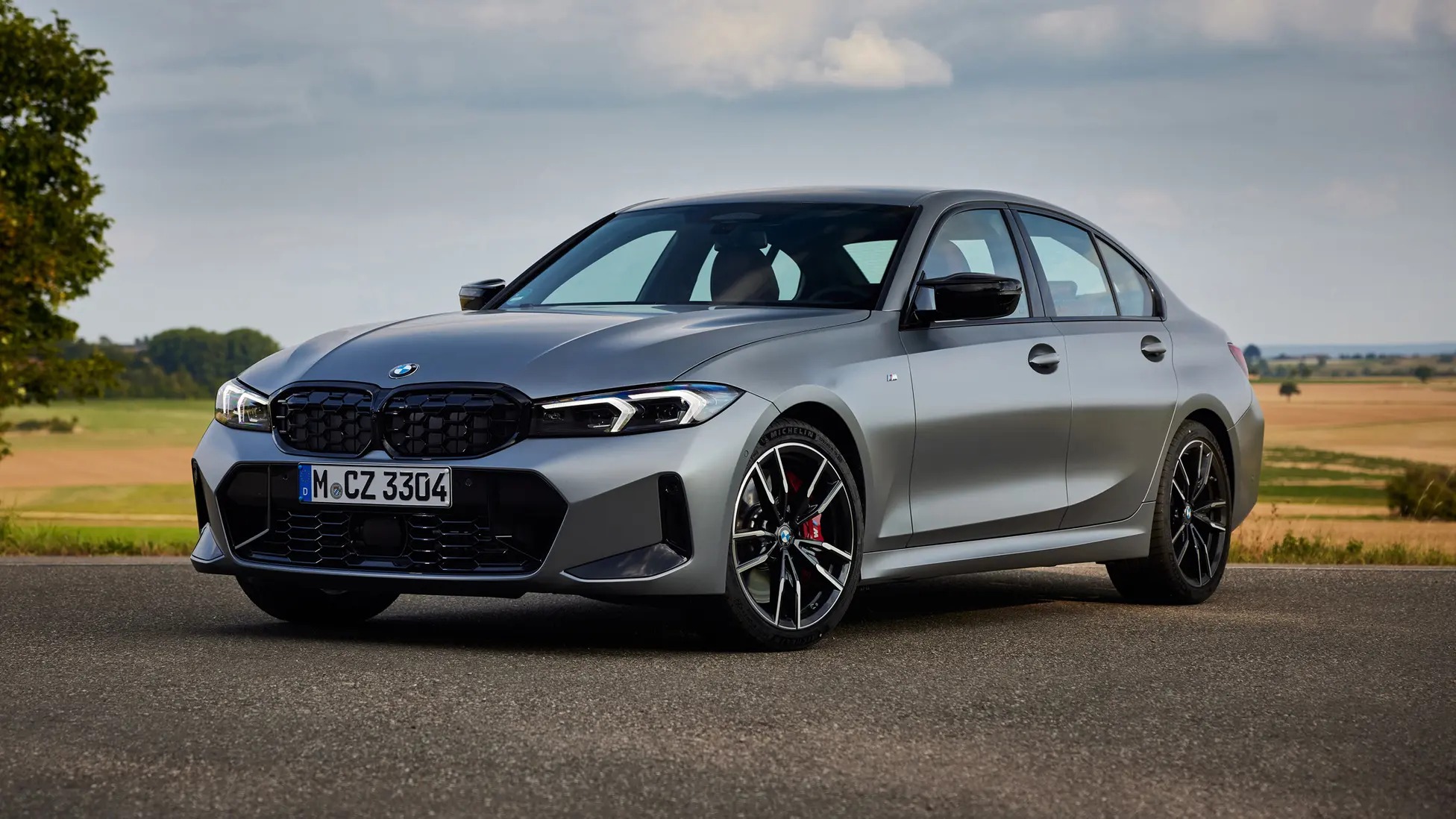
When you're dialing in the stance and handling of an N54-powered coupe, getting the wheel dimensions right changes everything. The 2008 BMW 335i E92 Coupe is a phenomenal grand tourer, but its factory wheel setups often leave enthusiasts wanting more grip and a flush look. Upgrading your wheels isn't just about curb appeal; it directly affects unsprung weight, steering feedback, and how power puts down through the rear wheels.
Factory configurations typically ranged from 17-inch style wheels up to optional 19-inch setups, depending on the Sport Package. However, factory offsets are notoriously conservative, tucking the wheels deep inside the fenders. Pushing to a precise aftermarket wheel size requires balancing width, offset, and tire aspect ratios to avoid dreaded fender rubbing while maximizing contact patch area.
Factory Wheel Specifications and Baseline Geometry
Before you buy a new set of rims, you need to understand what BMW installed at the factory. The 2008 E92 335i came with a 5x120 bolt pattern, a 72.56mm center bore, and M12x1.5 lug bolts. Knowing these stock metrics keeps you safe and ensures proper hub-centric fitment.
Stock setups usually feature staggered widths. Front wheels typically measure 18x8 inches with an offset around ET34, while rears measure 18x8.5 inches with an offset around ET37. If your car came with the Style 230 or Style 313 19-inch options, the fronts are 19x8 inches (ET37) and the rears are 19x9 inches (ET39).
These conservative offsets leave plenty of room to push outward. If you keep stock suspension, you can easily add aggressive spacers or wider aftermarket barrels without modifying your sheet metal. Once you drop the car on coilovers, though, your calculation shifts entirely.
Flush Fitment Targets for the E92 Chassis
Achieving a flush look without destroying your rear quarter panels requires careful measurement of backspacing and offset. On a standard non-M E92 coupe, a square setup or an aggressive staggered setup will completely transform the side profile.
For an 18-inch or 19-inch wheel, here are the sweet-spot dimensions for a clean flush fitment without rolling your fenders:
- Front Wheels: Widths between 8.5 and 9 inches, with offsets ranging from ET30 to ET35.
- Rear Wheels: Widths between 9.5 and 10 inches, with offsets ranging from ET35 to ET40.
If you push the front offset below ET28 or the rear below ET32 on a lowered car, you'll likely scrub the fender liners under hard cornering or compression. On the other hand, if your offset is higher than ET40, the wheels will look sunken, forcing you to run spacers to get that aggressive stance.
Weight Management and Performance Impact
Unsprung weight is the enemy of suspension performance. Every pound you drop from each corner of your 335i improves acceleration, braking responsiveness, and damper reaction time. Heavy cast replica wheels might look decent, but they add rotational inertia that blunts the sharp twin-turbo pull of the N54 engine.
When shopping for rims, look closely at manufacturing methods. Flow-formed wheels offer a great middle ground, providing high strength and lower weight at a fraction of the cost of forged monoblock options. Dropping 5 to 7 pounds per corner by switching from heavy OEM cast wheels to flow-formed alternatives makes the steering feel noticeably crisper and more direct.
Rotational mass also dictates how effectively you put down horsepower. With a tuned 335i making well over stock power levels, traction is always at a premium. Wider rear rims allow for wider tires, expanding your contact patch and reducing unwanted wheel spin during hard acceleration.
Pairing Rims with the Right Tire Sizes
Your rims are only as good as the rubber wrapped around them. Choosing the wrong tire size ruins even the best wheel fitment, leading to speedometer errors, traction control interventions, or severe rubbing issues.
For an 18-inch setup, a popular and balanced tire combination is 235/40R18 in the front and 265/35R18 in the rear. If you're running 19-inch wheels, step down your aspect ratios to maintain overall rolling diameter, typically using 235/35R19 up front and 265/30R19 in the rear.
For more details on tire construction and speed ratings, you can check resources from Tire Rack. To understand how BMW engineered the overall vehicle dynamics of this era, the BMW Group archives offer great historical context on chassis development.
Common Fitment Mistakes to Avoid
Many enthusiasts run into trouble by focusing solely on rim width while ignoring inner clearance and brake caliper clearance. The 335i came with decent-sized floating brakes, but if you upgrade to an aftermarket big brake kit later, your inner barrel clearance becomes critical.
Another common error is ignoring camber settings. If you slam your E92 on coilovers without adjusting your alignment, you'll dial in excessive negative camber that chews through inner tire tread in a few thousand miles. Balance your drop with proper alignment specs to keep your contact patch flat on the pavement.
Finally, don't forget about your tire rolling circumference. If your front and rear rolling diameters differ by more than one to two percent, you'll trigger the DSC (Dynamic Stability Control) and ABS systems, putting the car into limp mode or causing erratic braking behavior.
Frequently Asked Questions
Can I run a square wheel setup on an E92 335i?
Yes, running a square setup (for example, 18x8.5 ET35 all around) is very popular for track days and winter driving. It lets you rotate your tires front-to-back to extend tire life and reduces the factory understeer tendency.
Do I need fender rolling for 19-inch wheels?
If you choose sensible offsets like ET35 in the front and ET40 in the rear with standard tire sizes, you won't need to roll your fenders. Rolling is only necessary if you run overly aggressive offsets or excessively wide tires.
What is the largest wheel diameter that fits without rubbing?
Nineteen inches is generally considered the aesthetic limit for the E92 chassis. 20-inch wheels leave almost no sidewall, resulting in a harsh ride and a high risk of bent rims on rough roads.
Do I need hub-centric rings for aftermarket wheels?
If your aftermarket wheels have a center bore larger than the BMW stock 72.56mm hub, yes. Hub-centric rings ensure the wheel centers perfectly on the hub rather than relying solely on the lug bolts, preventing high-speed steering vibrations.



