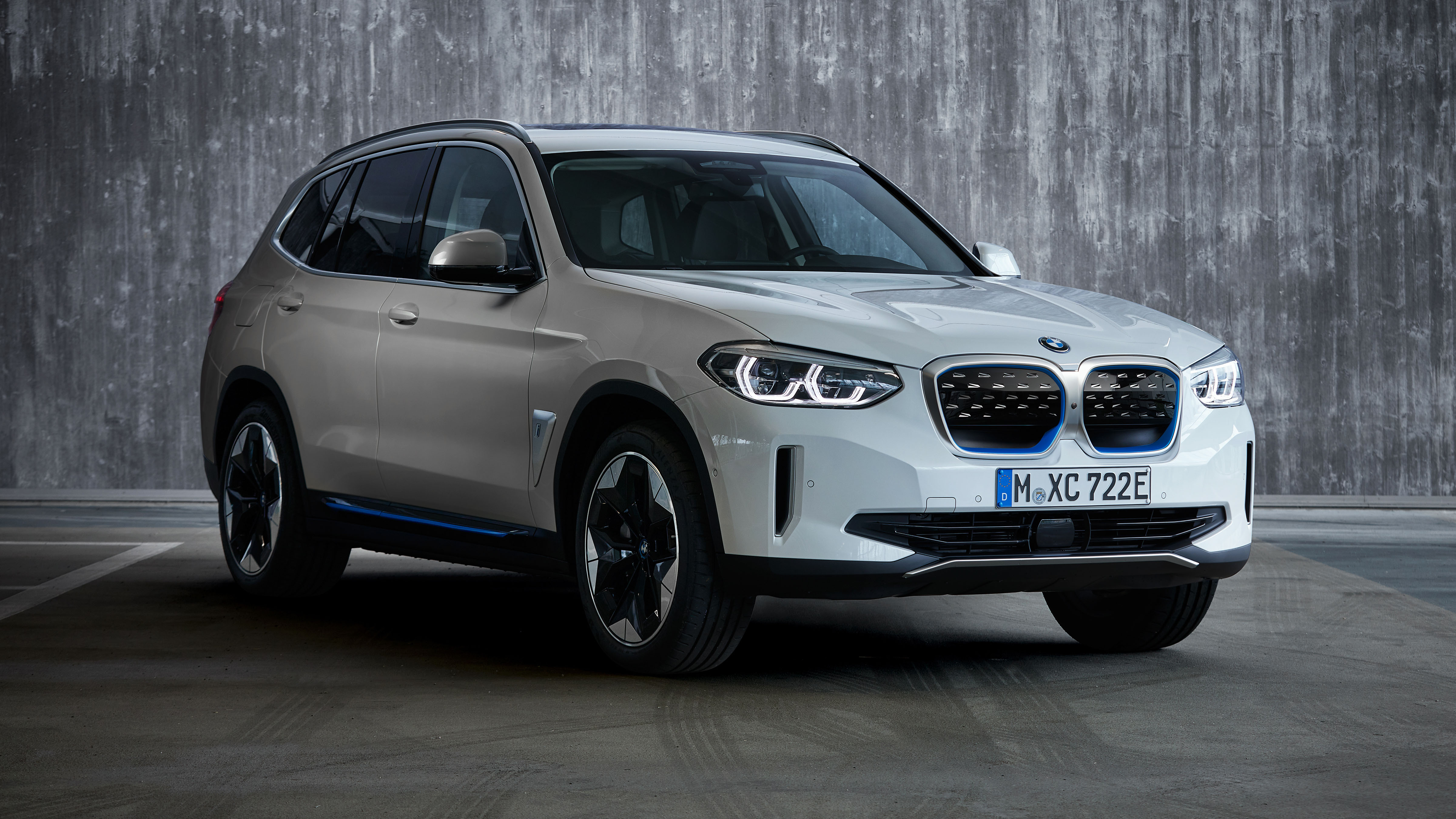
When you're shopping for an entry-level executive sedan, the balance between prestige and price tag always feels tight. The BMW 320i M Sport 2023 positions itself right at that crucial intersection, offering athletic styling and badge appeal without forcing you into the steeper tier of six-cylinder models like the M340i. Yet, paying close attention to whether it genuinely delivers value requires looking past the aggressive body kit and checking how the powertrain, real-world running costs, and depreciation treat your wallet over time.
For most buyers, this model hits a sweet spot by combining daily drivability with sporty dynamics. Underneath the sculpted hood sits a 2.0-liter turbocharged four-cylinder engine pumping out 135 kW (184 horsepower) and 300 Nm of torque. It isn't a track monster, but paired with the crisp 8-speed ZF automatic transmission, it moves with urgency. If you want a sharp commuter car that looks fast parked, this configuration demands a closer look. Let's break down whether the pricing and package additions justify your hard-earned money.
Performance and Drive Dynamics
The heart of the 320i is its B48 2.0-liter inline-four engine. While it shares its core architecture with higher-output variants, it's tuned for efficiency and smooth low-end delivery. Peak torque arrives early at 1,350 rpm and stays flat through 4,000 rpm, meaning you don't have to wring out the engine to merge safely into fast-moving highway traffic.
The M Sport package adds stiffer suspension tuning and sharper steering calibration compared to baseline trims. It's firm, but it doesn't punish you over cracked city pavement unless you opt for oversized aftermarket wheels. Body roll is minimal through tight bends, and the rear-wheel-drive layout provides that classic, balanced handling feel that front-wheel-drive competitors struggle to replicate. Related reporting on this matter has been shared by BBC.
- Acceleration: 0 to 100 km/h takes roughly 7.4 seconds.
- Transmission: 8-speed torque-converter automatic with aluminum paddle shifters.
- Real-world fuel economy: Expect around 7.5 to 8.5 liters per 100 kilometers in mixed urban conditions, rising if you spend heavy time in bumper-to-bumper traffic.
Cabin Tech and Interior Ergonomics
Step inside the 2023 Life Cycle Impulse (LCI) update, and you'll immediately notice the cabin overhaul. BMW replaced the traditional dual- cowl dashboard with a sweeping, curved widescreen display running BMW Operating System 8.
The setup features a 12.3-inch digital instrument cluster paired with a massive 14.9-inch central touchscreen. Climate controls are now integrated digitally into the screen, which takes some getting used to while driving. Fortunately, the physical iDrive rotary dial on the center console remains, allowing you to navigate menus by touch without taking your eyes off the road entirely.
The M Sport trim upgrades your touchpoints with a thicker leather-wrapped steering wheel, aluminum interior finishers, and supportive sport seats upholstered in a durable Sensatec and Alcantara mix. Cabin space in the front row is generous, while the rear seats comfortably accommodate two adults on long trips thanks to a well-contoured bench and dedicated rear climate vents.
Cost of Ownership and Maintenance Realities
Buying a German luxury sedan involves factoring in long-term maintenance. While the 2023 model benefits from standard manufacturer warranties—typically a three-to-five-year unlimited kilometer package depending on your region—post-warranty upkeep demands discipline.
Brake pads, high-performance run-flat tires, and regular synthetic oil changes run higher than they would on a mainstream sedan. Pre-paid service plans offer a smart way to insulate yourself against rising parts inflation. On the bright side, the residual value for the M Sport trim holds up better than base or Luxury lines because the aggressive styling cues remain heavily sought after in the used market.
Common Mistakes to Avoid
- Skipping the test drive on rough roads: The M Sport suspension is tuned for handling agility. If you live in an area with severely potholed roads, make sure the ride quality meets your comfort threshold.
- Ignoring option package bundling: Many 320i models sit on lots with thousands of dollars in add-on packages. Always verify whether features like adaptive cruise control or premium audio are included or require a separate package.
- Neglecting pre-purchase inspections: If you're buying a used 2023 model, check service records religiously to ensure previous owners completed oil changes ahead of factory intervals.
Frequently Asked Questions
Is the 320i M Sport fast enough for daily driving?
Yes. With 300 Nm of torque available low in the rev range, it feels punchy and responsive in city traffic and overtakes effortlessly at highway speeds. It won't throw you back in your seat like an M340i, but it never feels sluggish.
Does the 2023 LCI update fix infotainment lag?
The transition to BMW OS 8 brings snappy processing speeds and sharp graphics. The curved display layout is modern and responsive, though shifting climate controls to the touch menu requires a brief learning curve.
How does the 320i compare to the 330i?
The primary difference lies under the hood. The 330i uses a higher-tune version of the same 2.0-liter engine, pushing around 190 kW alongside larger brakes and standard adaptive suspension. If spirited weekend driving is your priority, stretching your budget to the 330i makes sense. For pure commuting with sporty aesthetics, the 320i suffices.
Are run-flat tires mandatory?
Cars shipped with M Sport packages typically feature run-flat tires. While they eliminate the need for a spare trunk tire, they can contribute to a firmer ride. Many owners switch to conventional high-performance radial tires once the factory set wears out to improve ride comfort and cabin quietness. You can read more about vehicle safety standards and testing parameters directly from Euro NCAP. To explore official brand specifications and customization options, visit BMW USA.



