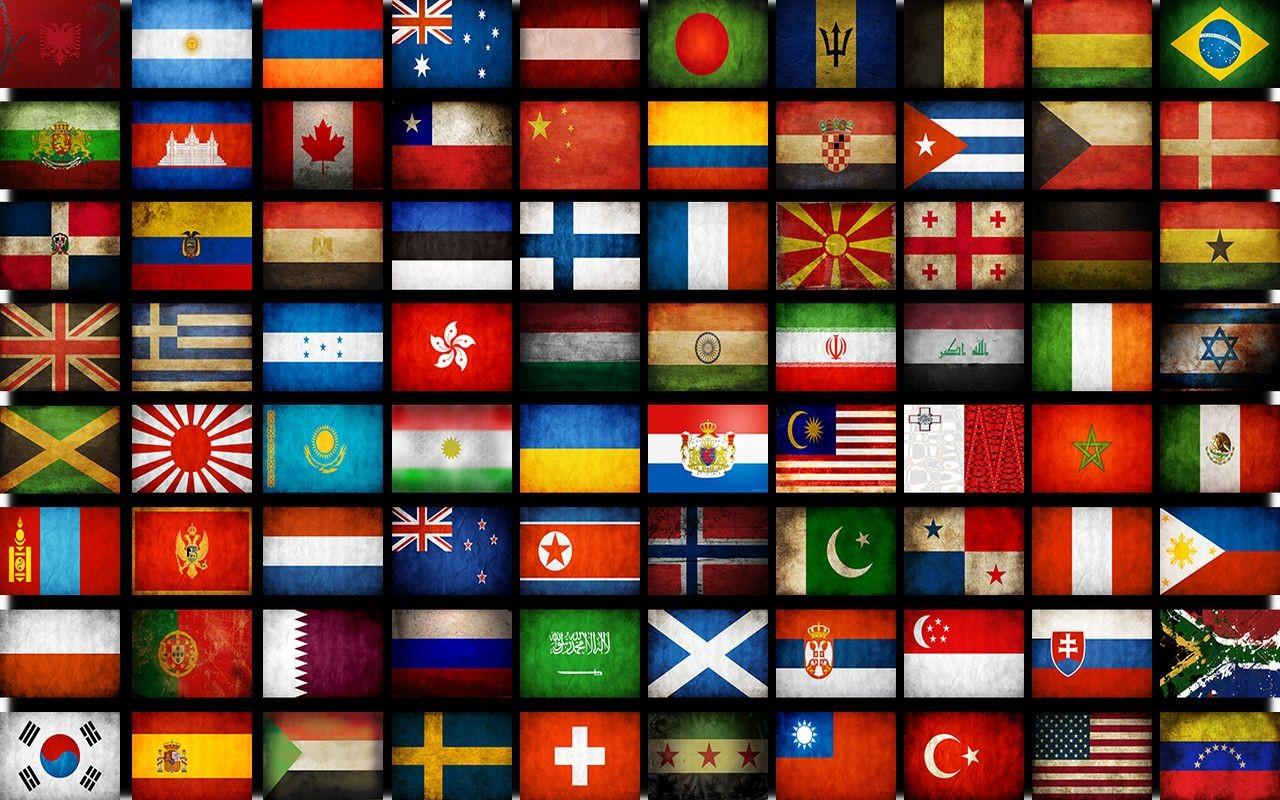
When nations choose colors for their banners, they rarely pick them by accident. The combination of blue and white stripes appears across continents, carried by independence movements, maritime codes, and civic revolutions. It's a design language built on stark contrast, evoking open skies, vast oceans, and a shared rejection of tyranny.
Understanding the visual history of these banners requires looking past generic symbolism. Different cultures adapted the stripe pattern to mark sovereign borders, declare resistance, and signal maritime identity. We'll trace how these motifs evolved, examine historical catalysts, and look at how specific nations shaped the global perception of blue and white banners.
The Roots of Striped Banners in Statecraft
Long before modern nation-states codified their identities, banners served as tactical communication tools on land and water. Stripes offered high visibility from a distance, making them practical for naval fleets and armies. Over centuries, these utilitarian designs acquired ideological weight.
Civil resistance movements often needed symbols that contrasted sharply with royal standards. While monarchies favored complex crests, lions, and intricate heraldry, revolutionary factions leaned toward simpler geometric arrangements. Horizontal or vertical bands of color communicated an egalitarian ethos. Blue represented vigilance, perseverance, and the sky, while white stood for integrity and peace.
This visual simplicity made banners easy for citizens to reproduce, fostering solidarity among populations fighting for autonomy. When a crowd could sew their own banner from available cloth, the symbol transformed from a royal decree into an expression of popular will.
Case Studies: Major Blue and White Stripe Flags
Several prominent nations adopted blue and white stripe configurations during pivotal eras of state formation. Each design tells a distinct story of struggle and geographical identity.
Argentina and the May Revolution
The design created by Manuel Belgrano for Argentina remains one of the most influential horizontal stripe standards in South America. Adopted formally during the early 19th-century independence campaigns, the alternating light blue and white stripes reflected the colors associated with the revolutionaries of the May Revolution.
- The Sky Motif: Historical accounts note that the light blue mirrored the skies over Buenos Aires during key political assemblies.
- The White Band: Represented peace and the unity required to sustain a fragile new republic.
- The Sun Emblem: The addition of the Sun of May anchored the banner in indigenous heritage and natural symbolism.
Central American Federations
In Central America, Honduras established a banner featuring two outer blue stripes representing neighboring marine bodies and an inner white band symbolizing peace and prosperity. This layout drew directly from the historical standard of the United Provinces of Central America. The configuration served as an ongoing visual testament to regional cooperation, even as political unions fractured.
For more details on international vexillology standards, you can review the Flags of the World documentation.
Maritime Origins and Global Navigation
Beyond land-based revolutions, blue and white horizontal markers played a foundational role in maritime history. The international signal flags used by commercial fleets relied heavily on stripe patterns for long-distance communication across choppy seas.
- Code Flag Variations: Specific blue and white stripe combinations warned vessels of pilot requirements, quarantine status, or navigational hazards.
- Merchant Marine Standards: Private shipping lines often utilized blue and white stripes to distinguish commercial vessels from naval warships, establishing a visual separation between trade and combat.
Because maritime trade connected distant ports long before diplomatic embassies were common, these naval flags helped standardize how different cultures interpreted color symbolism. A blue band at sea universally evoked deep water, stability, and international transit.
Common Misconceptions About Striped Standards
Vexillology is prone to myths, particularly regarding why specific color combinations were chosen.
- The Myth of Accidental Design: People often assume early leaders picked flag proportions arbitrarily. In reality, legislative committees debated stripe widths and color shades for months to reflect exact political philosophies.
- The Monolithic Symbolism Fallacy: Observers frequently assume blue and white mean the exact same thing across every culture. While peace and sky are common themes, maritime nations often intended the blue to represent specific local bodies of water rather than abstract celestial concepts.
- Confusing Civil and State Variants: Many countries maintain distinct versions of their flags for government use versus civilian merchant shipping, leading to confusion over which layout is official.
You can explore official historical preservation registries like the Smithsonian National Museum of American History to study how textile artifacts are preserved and authenticated.
Frequently Asked Questions
What do blue and white stripes traditionally represent on flags?
Most commonly, blue represents vigilance, liberty, or surrounding bodies of water, while white signifies peace, purity, and honesty. However, exact meanings depend entirely on the specific nation's legislative history.
Are all blue and white stripe banners tied to revolutions?
No. While many South and Central American variants emerged directly from independence struggles, others originated from maritime signal codes, regional heraldry, or geographic descriptions of local landscapes.
Why do some flags feature horizontal stripes while others use vertical ones?
Horizontal stripes historically derived from naval banners where wind visibility and long-range identification mattered most. Vertical layouts often drew inspiration from European continental standards, such as the French tricolor model.
How did these designs influence modern civic symbols?
Simple geometric patterns proved easier for grassroots political movements to adapt, ensuring that civic banners could be manufactured locally during times of social upheaval.



