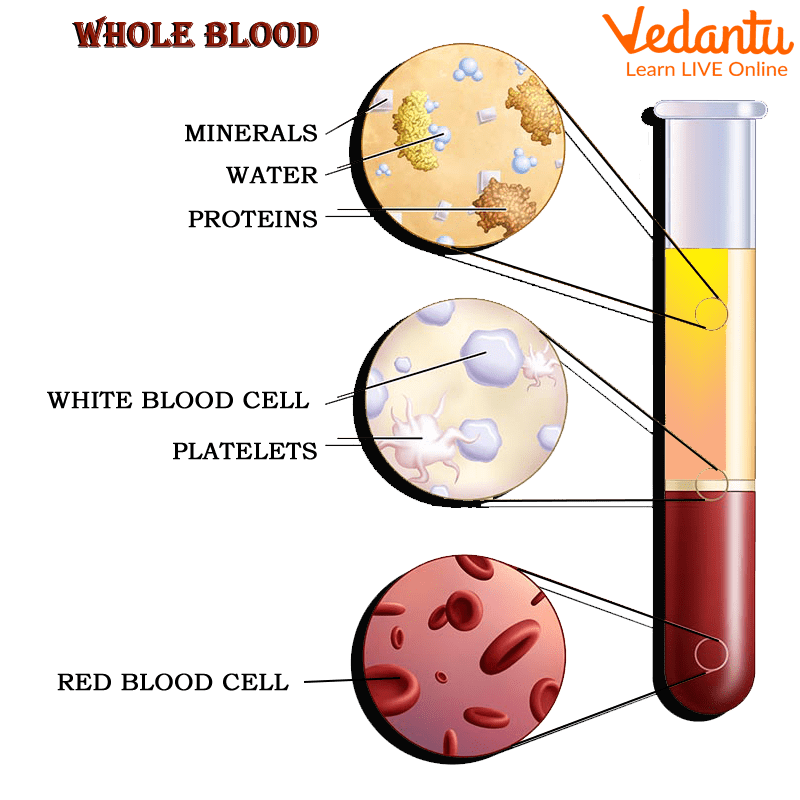
Blood doping is the illicit practice of artificially increasing red blood cell volume to enhance athletic endurance and oxygen transport. By packing more oxygen-carrying hemoglobin into the circulatory system, athletes attempt to elevate their maximal oxygen uptake, or VO₂ max. This gives working muscles a continuous supply of oxygen during grueling aerobic events like cycling, long-distance running, and cross-country skiing. While it offers temporary physical gains, the procedure transforms ordinary blood into a dangerous sludge, triggering severe medical complications and violating every major anti-doping code.
Understanding why this practice remains a persistent scandal in professional sports requires looking at both human physiology and the evolving science of detection. Regulatory bodies like the World Anti-Doping Agency enforce strict bans across all competitive levels, treating the manipulation as a major breach of sports integrity.
The Science of Oxygen Transport and Endurance
To understand why athletes risk their careers on blood manipulation, you have to look at how oxygen fuels human movement. When you breathe, oxygen enters your lungs and binds to hemoglobin inside red blood cells. Your heart pumps this oxygen-rich blood through your arteries to active muscle tissue, where it converts glucose into adenosine triphosphate (ATP), the cellular energy driving muscular contraction.
During intense endurance efforts, the limiting factor for performance is often how fast your heart can deliver oxygen to those working cells. If you can increase your total red blood cell count without changing plasma volume drastically, you enhance the oxygen-carrying capacity of every single drop of blood.
Natural altitude training achieves a similar adaptation legally by forcing the kidneys to release more erythropoietin (EPO), a natural hormone that stimulates bone marrow to produce extra red blood cells. Doping bypasses natural physiological limitations by introducing exogenous blood or chemical stimulants directly into the body.
Primary Methods of Blood Doping
Athletes and rogue medical staff have deployed several distinct methods over the decades to achieve artificial oxygen loading. Each technique carries unique logistical challenges and detection profiles.
Autologous Transfusions
This method involves extracting an athlete's own blood weeks or months before a major competition. The plasma is separated and returned to the body, while the packed red blood cells are stored frozen or refrigerated. During the storage period, the athlete's body naturally replenishes the lost red blood cells. Shortly before the race, those stored cells are re-infused, spiking the total red blood cell count above baseline. Because the blood belongs to the athlete, it historically evaded direct detection because no foreign DNA or antibodies were present.
Homologous Transfusions
Instead of using one's own blood, homologous transfusion relies on blood drawn from a compatible donor. While logistically simpler because it doesn't require months of advance planning, it carries a much higher risk profile. Foreign blood cells introduce different cell surface antigens, which modern laboratory screening methods can easily isolate using flow cytometry. Furthermore, mismatched blood types can trigger catastrophic immune reactions and transmit blood-borne pathogens.
Erythropoietin (EPO) Injections
Recombinant human EPO is a pharmaceutical developed to treat severe anemia in patients with chronic kidney disease or cancer. When abused by athletes, synthetic EPO mimics the natural hormone, signaling the bone marrow to accelerate red blood cell production. Because synthetic EPO can be administered via simple subcutaneous injections, it became the weapon of choice in late 20th-century endurance sports scandals.
Synthetic Oxygen Carriers
Chemical substitutes, such as perfluorocarbons (PFCs) and hemoglobin-based oxygen carriers (HBOCs), act as artificial alternatives to red blood cells. Designed originally for emergency trauma medicine when human blood is unavailable, these substances can dissolve large volumes of oxygen. However, clinical trials revealed high rates of cardiovascular toxicity and stroke, making them exceptionally dangerous for athletic use.
The Dark Side: Medical Risks and Complications
Artificially thickening your blood creates a massive mechanical burden on the cardiovascular system. Hematocrit—the percentage of blood volume made up of red blood cells—normally sits around 40 to 50 percent in healthy adults. Blood doping can push this figure past 60 percent, transforming fluid blood into a viscous syrup.
- Hyperviscosity and Clotting: Thickened blood moves sluggishly through narrow capillaries. This sluggishness increases the likelihood of deep vein thrombosis, pulmonary embolisms, and sudden coronary blockages.
- Cardiovascular Strain: The heart must pump harder to circulate heavy, viscous blood. Over time, this chronic overexertion leads to left ventricular hypertrophy, hypertension, and heart failure.
- Ischemic Stroke: Sluggish microcirculation in the brain can cause sudden vessel blockages, resulting in debilitating strokes, even in young, otherwise healthy competitors.
- Infection and Sepsis: Transfusing improperly stored blood or sharing equipment introduces bacteria directly into the bloodstream, leading to septic shock, multi-organ failure, and death.
Evolution of Anti-Doping Detection and Scandals
The history of sports is littered with high-profile doping scandals that forced anti-doping authorities to innovate. During the 1984 Los Angeles Summer Games, rumors of systemic blood transfusions among track athletes exposed a regulatory blind spot, as no rules explicitly forbade the practice at the time. The International Olympic Committee officially banned blood doping in 1986, but testing methods lagged behind usage for decades.
The introduction of the direct test for recombinant EPO ahead of the 2000 Sydney Olympics changed the landscape, catching athletes who relied on pharmaceutical shortcuts. When laboratories closed the net on EPO, cheats pivoted back to autologous blood transfusions, believing they were invisible.
To counter this, the U.S. Anti-Doping Agency and international partners introduced the Athlete Biological Passport (ABP). Rather than hunting for a specific chemical substance, the ABP tracks longitudinal biomarkers—such as hemoglobin levels and reticulocyte counts—over months and years. Unnatural fluctuations trigger an alert, allowing authorities to sanction athletes based on biological profiling even if no needle or bag of blood is ever caught on race day.
Frequently Asked Questions
Can altitude training produce the same effects as blood doping?
Yes, natural altitude training triggers a legal physiological response. When you train at high elevations, the lower oxygen pressure forces your kidneys to naturally release more EPO, boosting red blood cell production safely over time.
How long do the performance benefits of a blood transfusion last?
The artificial boost in VO₂ max typically lasts as long as the transfused red blood cells remain active in the circulatory system, which is roughly 60 to 120 days. However, the cardiovascular strain and health risks persist immediately.
Why are autologous transfusions harder to catch than EPO?
Because autologous blood is the athlete's own tissue, it leaves behind no foreign DNA or synthetic chemical markers. Detection relies entirely on indirect biological profiling through the Athlete Biological Passport or emerging tests that spot changes in red blood cell membrane proteins.
Is synthetic EPO detectable in standard drug tests?
Yes. Modern urine and blood assays can differentiate between natural human EPO and recombinant synthetic variants by analyzing subtle differences in molecular structure and electrical charge.



