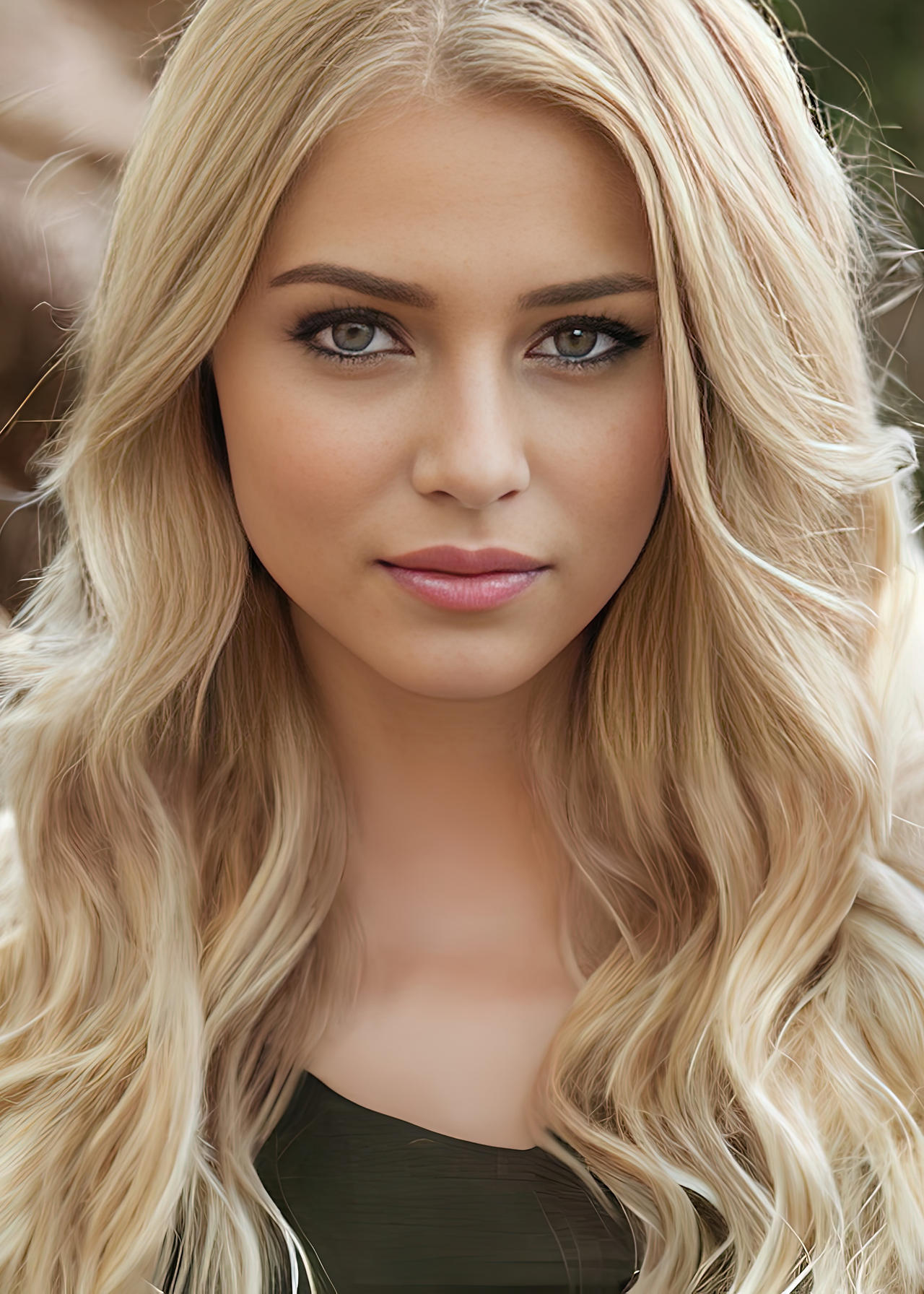
Blonde hair with red underneath is a striking two-toned hair coloring technique that brings back the edgy aesthetic of the early 2000s. By keeping the top layers a bright blonde while dyeing the bottom section a vibrant crimson, cherry, or deep ruby, you get a dynamic look that shows off color only when the hair moves, tied back, or styled in layers.
Achieving and maintaining this split-dye or peekaboo color combination requires balancing two high-maintenance processing steps. Blonde hair needs lifting and toning, while red color molecules are notoriously large and prone to fading fast. This guide covers how to choose the right shades, prep your hair for double processing, apply the technique, and keep both tones vibrant without constant salon touch-ups.
Understanding the Peekaboo Color Trend
The two-toned peekaboo trend relies on contrast. Unlike chunky highlights or a traditional ombre, this style splits the head horizontally. The crown and top sections remain blonde, while the nape and underneath sections carry the vivid red hue.
When your hair is worn down straight, the blonde dominates, offering a subtle hint of color peeking through at the ends. When you pull your hair into a half-up ponytail, braid it, or let the wind catch it, the vibrant red underneath reveals itself fully. This versatility makes it popular for people who want a bold style that can also look understated when professional settings demand it.
Choosing Your Blonde and Red Pairings
The success of this look depends on how well the undertones of your blonde match the warmth or coolness of your red.
Platinum or icy ash blonde paired with a cool cherry red creates a sharp, high-contrast punk rock vibe. On the other hand, golden honey blonde paired with a warm copper or auburn red provides a softer, sunset-inspired gradient. If your skin has cool undertones, stick to platinum and blue-based reds. If you lean warm, buttery blondes and orange-based reds or coppers will look more harmonious against your complexion.
Preparing Your Hair for Double Processing
Because this look requires bleaching the top section and dyeing or bleaching the bottom section, your hair strands will face significant chemical stress. Proper preparation minimizes breakage and ensures the color grabs evenly.
Assessing Hair Integrity
Before visiting a salon or opening a home bleaching kit, evaluate your hair's current condition. If your hair has previous box dye on it, getting a clean, even blonde lift on top will prove difficult. Virgin hair lifts much more predictably.
Stop using heat styling tools for at least two weeks before your color appointment. Incorporate protein treatments and deep conditioning masks to build up elasticity. Healthy hair holds pigment longer, which is vital since red fading is the primary challenge of this hairstyle.
Step-by-Step Application Process
Achieving clean separation between the blonde and red sections requires precision sectioning. Foil or meche boards keep the colors from bleeding into each other during the processing time.
Sectioning and Bleaching the Top
The first step involves sectioning off the bottom triangular portion of the hair, starting from behind the ears down to the nape of the neck. Clip this red section completely out of the way.
Apply bleach to the top blonde section, working from mid-lengths to ends first, then saving the roots for last to prevent "hot roots" caused by scalp heat. Process the blonde until it reaches the pale yellow stage required for your target tone. Rinse thoroughly with cool water, shampoo gently, and apply a toner to neutralize unwanted yellow brassiness.
Coloring the Underneath Section
Once the top section is dried or safely isolated, turn attention to the bottom section. Depending on how dark your natural hair is, you might need to lift the underneath hair slightly with a mild bleach wash first to make the red pop. If your hair is already light brown or blonde, you can apply the permanent or semi-permanent red dye directly.
Apply the red color carefully, saturating every strand from root to tip. Process according to the dye manufacturer's instructions, then rinse with cold water to lock the red cuticle down and prevent early bleeding into your newly toned blonde.
Essential Maintenance and Fade Prevention
Maintenance is where most people struggle with split-dye styles. Red dye molecules fade faster than almost any other color because they are physically larger and sit loosely inside the hair shaft. Blonde hair, meanwhile, is susceptible to mineral buildup and yellowing.
Washing Habits and Water Temperature
Wash your hair as infrequently as possible—ideally two to three times a week. Use lukewarm or cool water every time you shower. Hot water opens the hair cuticle, allowing the red pigment to wash down the drain immediately.
Invest in color-safe, sulfate-free shampoos. Sulfates strip color fast, turning vibrant red into a dull, muddy pink or orange. Consider using a dedicated red-depositing conditioner once a week on the underneath section to refresh the hue between salon visits.
Preventing Color Bleed During Washing
When you rinse your hair, the red water will inevitably run over your blonde sections. To minimize staining, tilt your head backward when rinsing the underneath section, keeping the blonde top isolated as much as possible. Applying a thick conditioner or a barrier oil like argan oil to the blonde sections before rinsing can also block stray red pigment from sticking to the lighter hair.
Common Mistakes to Avoid
A few missteps can ruin the clean look of blonde hair with red underneath.
- Skipping the strand test: Always test a hidden section of hair first to see how the bleach lifts and how the red pigment takes, especially if your hair has previous color history.
- Using clarifying shampoos too soon: Clarifying formulas strip artificial color instantly. Save them only for when you need to strip old product buildup before a color refresh.
- Overusing high heat: Flat irons and curling wands fade red pigment rapidly and dry out bleached blonde hair, leading to split ends and breakage. Always use a thermal heat protectant spray.
Frequently Asked Questions
Can I do this look at home if my hair is dark brown?
Lifting dark brown hair to a clean blonde on top while managing a vibrant red underneath requires advanced bleaching technique. Doing this at home often results in patchy orange hair and severe breakage. It is best left to a professional colorist who can manage the processing times safely.
How often do I need to touch up the red underneath?
Red dye typically requires refreshing every three to four weeks because it fades faster than blonde toner. You can use semi-permanent glosses at home to maintain the vibrancy without damaging the hair further with permanent developers.
Will the red dye bleed into my blonde hair when I sweat?
Freshly dyed red hair can bleed when exposed to heavy sweat or rain during the first week. Once the cuticles settle after a few washes and you use a color sealant, bleeding should stop unless you soak your hair in chlorinated pool water.
What is the best way to style this cut to show off both colors?
Half-up buns, messy ponytails, and loose braids highlight the contrast best. Face-framing pieces left loose around the temples also help showcase the two-toned effect from the front. For more styling inspiration, check out professional portfolio guides on Vogue.



