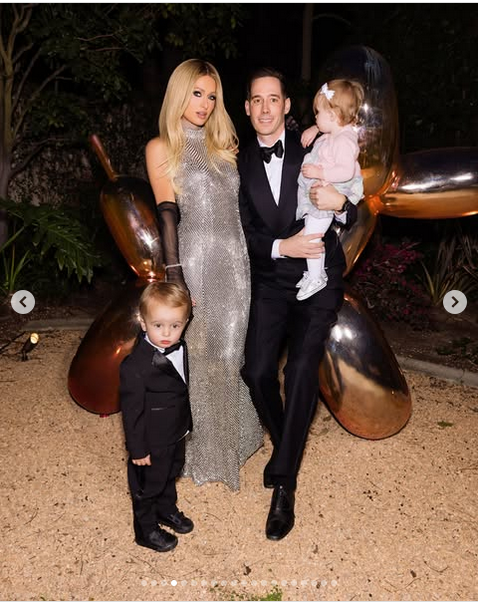
Blonde hair with dark color underneath combines a lightened top layer with a contrasting, deeper shade hidden beneath. This dual-tone styling technique—often called peekaboo color or hidden dimension—creates natural-looking movement and thick-looking texture without requiring an all-over, single-process bleach job.
If you're considering this look, you need to understand how placement works, how to choose the right shades, and what maintenance entails. Let's break down the exact process, common styling pitfalls, and how to keep both your blonde and your dark layers vibrant.
Understanding the Dual-Tone Technique
Creating depth with contrasting hair colors relies on how light hits different sections of the head. When a lighter shade sits on top of a darker shade, every movement exposes a glimpse of the contrasting hue underneath. Stylists use precise sectioning to isolate the lower nape and interior sections from the crown and surface layers.
This approach gives you the best of both worlds. You get the brightening effect of blonde framing your face and top sections, while the dark underlayer adds visual weight, making thin hair look much denser.
Why Contrast Works
Color theory dictates that light colors advance (making things look larger or more prominent) while dark colors recede (creating shadow and depth). By placing a dark shade underneath, you build a physical frame of shadow. When the hair rests flat, the blonde dominates. When the wind blows or you pull the hair into a half-up style, the dark layer pops out, creating immediate visual interest.
According to the American Academy of Dermatology Association, hair care and structural integrity depend heavily on minimizing chemical stress, making strategic placement a safer bet than heavy full-head bleaching.
Choosing Your Shade Combinations
Selecting the right combination of blonde and dark underneath depends entirely on your skin's undertones and your hair's lifting history. Mismatched tones can result in a muddy transition or an accidental band of color.
- Cool and Icy: Pair platinum or ash blonde on top with an espresso or jet-black underlayer. This creates a high-contrast, edgy aesthetic.
- Warm and Golden: Combine honey, caramel, or butter blonde with a rich chocolate brown or warm chestnut underneath for a softer, blended look.
- Neutral and Natural: Match a beige blonde surface with a soft mocha undertone to keep the contrast subtle and understated.
The Step-by-Step Coloring Process
Achieving this look requires patience and professional execution, especially if you're transitioning from virgin dark hair or box-dyed strands.
- Consultation and Strand Testing: Your stylist evaluates your hair's elasticity and porosity to determine how many levels it can lift safely.
- Sectioning the Interior: The hair is divided cleanly, clipping away the top section (the crown and surface layers) so the bottom section can be colored first.
- Applying the Dark Underlayer: A demi-permanent or permanent dark shade is applied to the bottom section. Foils are often used to keep the dark pigment from bleeding into the areas slated for lightening.
- Lightening the Top Section: Once the dark layer is secured, the remaining top section is lightened using foils, balayage, or baby-lights depending on your desired blonde intensity.
- Toning and Glossing: After rinsing and shampooing, a customized toner is applied to neutralize unwanted yellow or brassy tones in the blonde sections, ensuring a clean contrast against the dark underlayer.
Maintenance and Upkeep
Maintaining two contrasting colors on the same head requires a targeted routine. Because bleach strips the hair shaft while dark permanent dye deposits heavy molecules, you're dealing with two different hair states simultaneously.
- Wash Less Frequently: Wash your hair two to three times a week with a sulfate-free shampoo to prevent the dark dye from fading prematurely and to protect the fragile blonde ends from drying out.
- Fight Brassiness: Use a purple shampoo once a week on your blonde sections to keep cool tones crisp, but keep it away from your dark underlayer to avoid dulling the pigment.
- Schedule Root and Tone Touch-Ups: Plan for salon visits every four to six weeks. Your blonde will need root maintenance or a gloss refresh, and your dark underlayer may need color-refreshing to stay rich and deep.
Common Mistakes to Avoid
Many DIY attempts at hidden dimension go sideways due to poor isolation or rushed processing times.
- Color Bleed: Failing to isolate the dark sections with foils during the lightening phase leads to muddy, speckled patches where the bleach touches the dark dye.
- Skipping Olaplex or Bond Builders: Lightening dark hair to a pale blonde causes structural damage. Skipping bond-repair treatments during the process often leads to breakage right where the two colors meet.
- Ignoring Hair Porosity: If your ends are already porous from past coloring, applying dark dye directly to them without a filler can cause the hair to turn an unwanted, muddy grey or green.
Frequently Asked Questions
Can I do blonde hair with a dark underneath at home?
Doing this yourself is difficult because you cannot easily see or section the back and nape of your head. Color bleed between the bleach and the dark dye can permanently ruin the contrast, so professional salon execution is strongly recommended.
How do I style this look to show off the dark color?
Half-up styles, loose ponytails, braids, and beach waves are the best ways to reveal the contrasting underlayer. When hair is worn completely straight and flat, the dark layer stays mostly hidden.
Will the dark color bleed into my blonde when I wash my hair?
It can if you use hot water or harsh clarifying shampoos during the first few washes. Always wash your hair with cool or lukewarm water and use color-safe products to lock in the pigments.
How often do I need touch-ups?
Expect to visit the salon every 4 to 6 weeks. Your dark underlayer will need root touch-ups or a color gloss, and your blonde sections will need toning to maintain their brightness.



