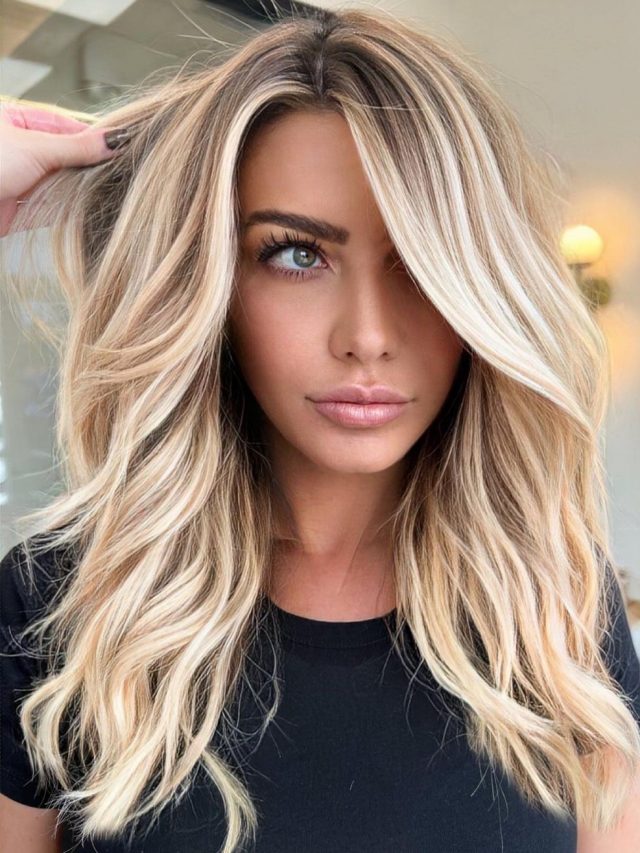
Blonde hair occupies a unique space in cinematic history. It's transformed from a simplistic studio-era casting trope into a versatile signature worn by some of the industry's most acclaimed performers. From the early days of motion pictures to contemporary streaming platforms, blonde actresses have navigated shifting public perceptions while defining eras of style.
Let's look past the old stereotypes and explore how these performers shaped movie culture, earned critical respect, and redefined what it means to lead major cinematic projects.
The Evolution of the Screen Blonde
During the silent film era and the early years of sound, Hollywood studios leaned heavily on visual archetypes. Actresses with light hair were frequently cast in specific molds, often tied to notions of innocence or high-glamour allure.
Jean Harlow changed this trajectory in the early 1930s. She didn't just play the blonde starlet; she owned the persona with sharp wit and undeniable screen presence. Her work in films like Dinner at Eight proved that magnetic comedic timing could match physical appeal.
By the 1950s, Marilyn Monroe elevated the persona into an international cultural touchstone. Monroe studied under Lee Strasberg at the Actors Studio, bringing a vulnerable depth to her performances that audiences hadn't seen before. While the studio machine marketed her as a glamorous icon, her work in Some Like It Hot and The Misfits showed an actor with precise comedic and dramatic instincts.
Breaking the Typecast: Skill Over Shade
For decades, casting directors pigeonholed light-haired performers into limited roles. Critics often assumed that hair color correlated with a lack of dramatic range, a bias that required performers to work twice as hard to secure serious dramatic parts.
Meryl Streep, a natural blonde who famously dyed her hair dark for certain roles early on, challenged these invisible boundaries throughout her career. By building a record of complex characters across genres, she proved that performance transcends cosmetic choices.
Similarly, Charlize Theron spent years dismantling the "bombshell" label she received after breakout projects. When she took on the role of serial killer Aileen Wuornos in Monster (2003), she underwent a dramatic physical transformation that silenced critics and earned her an Academy Award. Theron's career demonstrates how contemporary performers actively subvert expectations, moving effortlessly between action blockbusters like Mad Max: Fury Road and gritty indie dramas.
Natural Versus Dyed Hair in Modern Casting
Audience fascination with hair color often overlooks a simple industry reality: most famous blondes on screen aren't natural blondes. Maintaining a specific shade is a standard part of grooming for the screen, much like weight fluctuations or specialized fitness regimens for physical roles.
- The Maintenance Cycle: Performers often spend hours in hair chairs between shooting days to maintain consistency across scenes.
- Versatility: Many actors shift between hair colors depending on the narrative requirements of their current project, using color changes to signal character shifts.
- The Industry Shift: Modern casting directors prioritize acting chops and chemistry over rigid physical archetypes, allowing performers of all natural hair colors to audition for diverse roles.
When Margot Robbie produced and starred in Barbie (2023), she leaned directly into the plastic-fantastic blonde aesthetic while subverting it with sharp satire. The film became a massive global hit, grossing over $1.4 billion worldwide according to Box Office Mojo, proving that traditional iconography can be re-engineered for modern audiences with intelligence and humor.
Iconic Performances That Redefined the Craft
Several key performances stand out as turning points for blonde actresses in cinema history, shifting public perception from passive glamour to active storytelling.
- Gena Rowlands in A Woman Under the Influence (1974): Rowlands delivered an unvarnished, raw portrayal of mental instability that redefined indie cinema and set a new benchmark for character work.
- Cate Blanchett in Blue Jasmine (2013): Blanchett played a fallen Manhattan socialite with a precision that won her an Academy Award, showcasing psychological depth and vulnerability.
- Florence Pugh in Midsommar (2019): Pugh anchored a grueling folk-horror narrative, carrying the emotional weight of grief and terror through a sun-drenched, visually distinct landscape.
According to data compiled by Screen Actors Guild awards records, performers who challenge typecasting through indie cinema projects see higher rates of peer recognition later in their careers. This shift highlights a growing appreciation for raw talent over marketing tropes.
Frequently Asked Questions
Are most famous blonde actresses natural blondes?
No. A significant percentage of actors who sport light hair on screen are natural brunettes or dark blondes who lighten their hair for roles or personal branding.
How did Marilyn Monroe change the perception of blonde actresses?
Monroe added a layer of vulnerability and comedic self-awareness to her roles. She transformed the one-dimensional starlet trope into a nuanced persona that blended high glamour with genuine emotional depth.
Do hair color stereotypes still affect modern casting?
While the industry has evolved significantly, subconscious biases occasionally linger in commercial casting. However, major award-winning performers routinely break these molds by taking on gritty, unglamorous roles.
What was the highest-grossing film starring a blonde lead in recent years?
Barbie (2023), starring and co-produced by Margot Robbie, crossed the $1.4 billion mark globally, making it one of the most commercially successful films led by a blonde actress.



