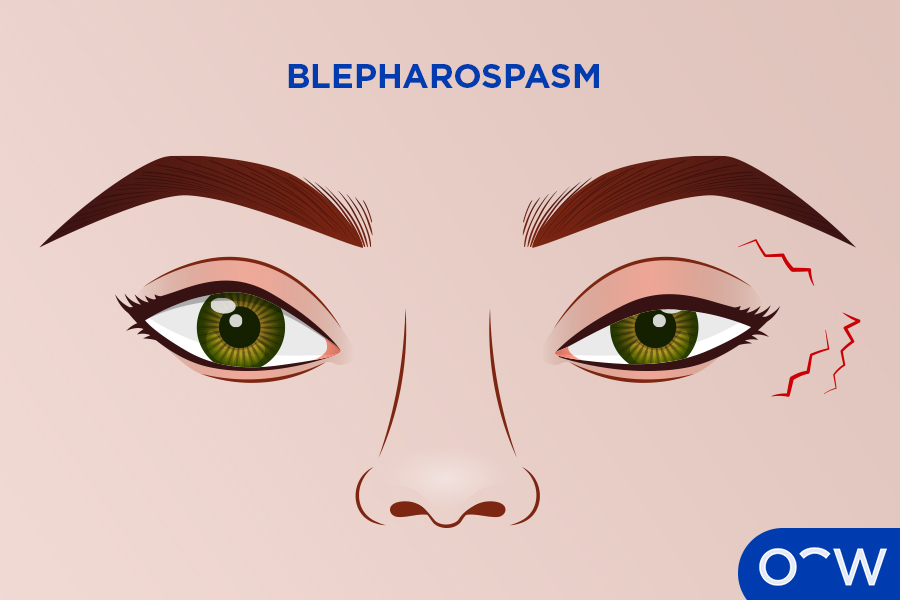
Blepharospasm is a neurological condition marked by involuntary, repetitive contractions of the muscles around the eyes. It starts subtly with mild blinking or eye irritation, but over time, it can progress to forceful eyelid closures that effectively cause functional blindness. While your eyes and visual pathways remain completely healthy, the brain signals controlling your eyelid muscles misfire, making it impossible to keep your eyes open during severe flare-ups.
Understanding how this condition develops helps you spot early warning signs and seek proper medical evaluation before daily activities like driving or working become impossible.
Understanding Benign Essential Blepharospasm
Benign essential blepharospasm is the most common form of the condition, meaning it occurs without an identifiable secondary cause like a brain injury or specific systemic illness. It's classified as a focal dystonia, which is a movement disorder affecting a specific muscle group. The term "benign" simply indicates that the condition is non-life-threatening, though it can severely disrupt your independence and emotional well-being.
The disorder typically begins between the ages of 50 and 70, affecting women twice as often as men. In the early stages, you might notice increased blinking frequency or a gritty sensation in your eyes that mimics dry eye syndrome. As nerve signaling becomes increasingly erratic, these twitches evolve into prolonged spasms that can lock the eyelids shut for seconds or even minutes at a time.
Key Triggers and Early Symptoms
Recognizing the earliest indicators of blepharospasm allows for prompt neurological assessment. Common initial symptoms include:
- Frequent, uncontrollable blinking triggered by bright lights, wind, or pollution.
- Persistent eye fatigue and strain even after adequate rest.
- Irritation or dryness that doesn't improve with standard artificial tears.
- Spasms that worsen during periods of high stress, anxiety, or fatigue.
- Twitching that spreads from one eyelid to both eyes simultaneously.
Environmental and lifestyle factors often act as catalysts for flare-ups. Bright fluorescent lighting, computer screens, driving, and emotional stress are primary triggers reported by patients. Many individuals develop sensory tricks, such as touching the cheek, talking, humming, or wearing tinted glasses, to temporarily suppress the spasms and force the eyelids to remain open.
Root Causes and Risk Factors
While the exact biological mechanism causing focal dystonias isn't fully mapped, medical researchers point to dysfunction within the basal ganglia, the part of the brain responsible for coordinating voluntary muscle movements. Several contributing factors increase the likelihood of developing the condition:
- Genetic Predisposition: Up to ten percent of people with blepharospasm have a family history of dystonia or essential tremor, pointing to an inherited neurological vulnerability.
- Environmental Stressors: Prolonged exposure to eye irritants, wind, or dry atmospheres can aggravate surface ocular nerves and provoke muscle contractions.
- Secondary Neurological Conditions: Less frequently, blepharospasm develops as a symptom of underlying disorders such as Parkinson's disease or progressive supranuclear palsy.
- Medication Side Effects: Certain dopamine-blocking drugs or psychiatric medications can induce acute dystonic reactions or tardive dyskinesia affecting the facial muscles.
You can learn more about movement disorders and diagnostic criteria through resources provided by the National Institute of Neurological Disorders and Stroke.
Modern Treatment Approaches
Managing blepharospasm requires a tailored medical plan developed alongside a neurologist or ophthalmologist specializing in movement disorders. Because the condition varies widely in severity, treatments range from simple lifestyle adjustments to targeted medical procedures.
Botulinum Toxin Injections
Botulinum toxin injections represent the gold standard treatment for chronic blepharospasm. Small doses of the purified protein are injected precisely into the muscles surrounding the eyelids. This temporarily blocks the nerve signals that cause muscles to contract, keeping the eyes relaxed and open.
Treatments typically provide relief lasting three to four months, after which repeat injections are necessary to maintain symptom control. According to clinical data published by the American Academy of Ophthalmology, the vast majority of patients experience significant improvement in eyelid control and visual function following regular botulinum toxin therapy.
Oral Medications and Adjunctive Therapies
When injections alone don't provide complete relief, doctors may prescribe oral medications such as clonazepam, lorazepam, or anticholinergic drugs. These medications act on the central nervous system to dampen erratic nerve signals. However, they often carry side effects like drowsiness, dry mouth, and cognitive fog, making them a secondary choice for many patients.
Surgical Interventions
For severe cases that do not respond to botulinum toxin or medications, surgical options like a myectomy may be considered. This procedure involves surgically removing or weakening specific eyelid-closing muscles. Because surgery is irreversible and carries risks of scarring or incomplete correction, specialists reserve it as a last resort.
Practical Strategies for Daily Living
Living with an unpredictable eye condition demands both practical adjustments and emotional resilience. Simple daily habits can help reduce the frequency and severity of sudden spasms.
- Wear Specialized Lenses: FL-41 tinted glasses filter out harsh fluorescent lighting and specific wavelengths of light that frequently trigger eyelid spasms.
- Manage Stress Levels: Because anxiety amplifies neurological twitching, incorporating daily relaxation practices like deep breathing or meditation helps keep muscle tension low.
- Protect Your Eyes Outdoors: Always wear polarized sunglasses and wide-brimmed hats when outside to shield your eyes from wind, dust, and glaring sunlight.
- Take Screen Breaks: Follow the 20-20-20 rule during computer work to rest your eyes and prevent fatigue-induced spasms.
Frequently Asked Questions
Can blepharospasm cause permanent blindness?
No. Blepharospasm does not damage your eyes, optic nerves, or internal visual structures. The vision loss is entirely functional because your eyelids close involuntarily. When your eyes are manually opened or the spasm subsides, your vision is normal.
Is blepharospasm hereditary?
While most cases are sporadic and occur without a family history, genetic factors do play a role in some families. If you have multiple relatives with focal dystonia, your risk is slightly elevated.
How is blepharospasm diagnosed from dry eye syndrome?
Doctors differentiate the two by looking at muscle involvement. Dry eye causes irritation and normal blinking, whereas blepharospasm involves forceful, involuntary squeezing of the eyelids that cannot be controlled simply by using lubricating eye drops.
Can lifestyle changes cure blepharospasm?
Lifestyle modifications and stress management cannot cure the underlying neurological condition, but they drastically reduce the frequency and intensity of flare-ups, helping you maintain a high quality of life.



