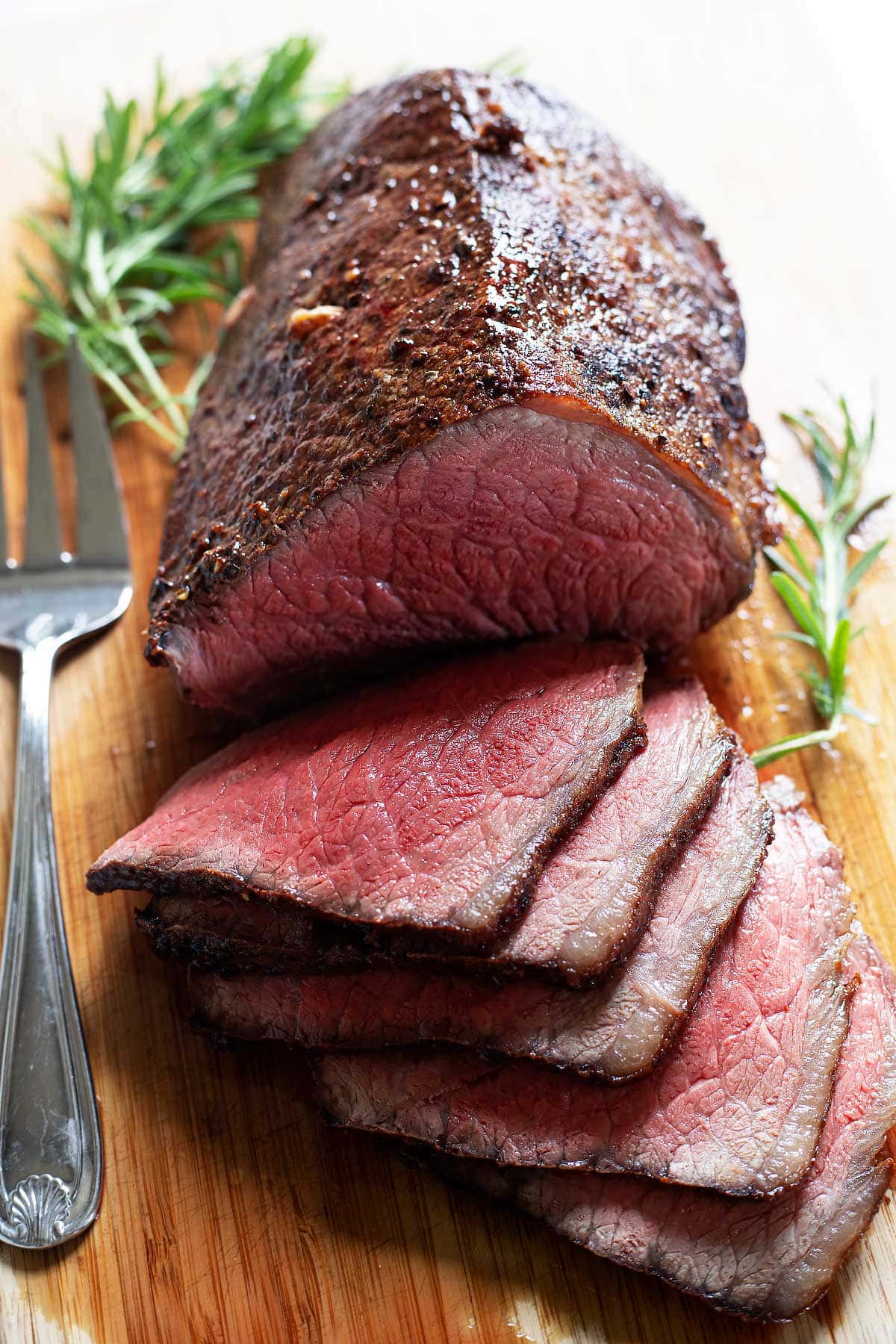
When you stare at a menu trying to choose between a sizzling plate of beef or a taco stuffed with savory strips, the line blurs fast. People often treat bistec and fajita as interchangeable terms for grilled meat. They aren't. While both belong to the broad family of Latin-inspired griddle and grill traditions, they rely on entirely different cuts of beef, distinct seasoning approaches, and unique preparation styles.
Bistec is a broad Spanish-derived term for steak, usually cut thin and cooked fast over high heat. Fajita specifically references skirt steak or flank steak, rooted directly in the ranch culture of South Texas and Northern Mexico. Knowing how these two staples diverge changes how you cook them, how you slice them, and how you experience them on a plate.
What is Bistec?
Bistec is a linguistic mashup of the English words "beef steak" adapted into Spanish. Across Mexico and parts of Latin America, you'll find bistec on nearly every menu, from neighborhood taco stands to home kitchens. It isn't restricted to a single anatomical muscle. Instead, it defines a preparation style: beef sliced into thin steaks or strips, seasoned simply with salt, garlic, and lime, and seared hard on a flat top or comal.
The cut used for bistec depends heavily on budget and availability. Traditional butchers often use chuck steak, round steak, or sirloin, trimmed thin. Because these cuts come from hardworking muscles, butchers slice them thin to ensure they cook instantly and stay tender enough for a tortilla.
The Flavor and Texture Profile of Bistec
Bistec leans into a clean, beef-forward flavor profile. Because it's cut thin, it cooks in under two minutes per side.
- The Cut: Usually lean cuts like top round, sirloin, or chuck, sliced thin.
- The Seasoning: Minimalist approach featuring lime juice, garlic powder, salt, and black pepper.
- The Cook: High heat on a flat griddle (comal) to build a quick crust without drying out the interior.
- The Application: Chopped finely for street tacos, layered in tortas, or served alongside rice and beans.
What is a Fajita?
Fajita has a much narrower definition. The word originates from faja, the Spanish word for girdle or strip, pointing directly to the skirt steak (arrachera in Mexico) historically given to Mexican ranch hands in Texas as part of their partial pay.
True fajitas demand specific cuts: outside skirt, inside skirt, or flank steak. These cuts feature long, coarse muscle fibers packed with rich, beefy fat. Skirt steak, in particular, renders fat as it cooks over mesquite wood or cast iron, creating a deep, smoky flavor that thinner round cuts can't replicate.
The Evolution of the Sizzling Platter
In the 1970s, Austin and Houston restaurateurs transformed fajitas from a regional campfire meal into a theatrical restaurant spectacle. They introduced the sizzling cast-iron skillet loaded with bell peppers and onions. While purists argue that onions and peppers crowd the meat, the sizzling presentation became a global Tex-Mex staple.
- The Cut: Skirt steak or flank steak with a prominent, loose grain.
- The Marinade: Acid-heavy bases utilizing lime juice, orange juice, garlic, cumin, and chili powder to break down tough fibers.
- The Cook: Blazing hot grill or cast iron, aiming for a dark exterior char while keeping the center medium-rare.
- The Application: Served family-style with warm flour tortillas, grilled bell peppers, onions, guacamole, and pico de gallo.
Direct Comparison: Cut, Cook, and Culture
| Feature | Bistec | Fajita |
|---|---|---|
| Primary Cuts | Top round, sirloin, chuck | Skirt steak, flank steak |
| Thickness | Very thin (often pre-sliced or pounded) | Thicker, full strips |
| Marinade Style | Minimalist (lime, salt, garlic) | Robust citrus and spice blend |
| Cooking Method | Flat top griddle or comal | Open flame grill or heavy cast iron |
| Cuisine Origin | Traditional Mexican home cooking | Tejano / Tex-Mex ranch culture |
Common Mistakes When Cooking Both
Cooking these beef styles requires precision. Mess up the technique, and you'll end up with shoe leather.
Slicing Along the Grain
Both bistec and fajitas demand proper knife work, but fajitas require strict attention. Skirt and flank steaks feature distinct parallel muscle fibers. If you slice parallel to those fibers, you create long, chewy strands that resist chewing. You must always look for the direction of the grain and cut perpendicular—across the fibers—into thin, tender strips. Bistec is usually chopped into tiny dice for tacos, which masks grain direction, but whole strips of bistec still need a cross-grain cut.
Overcooking Lean Beef
Bistec dries out in seconds. Because cuts like round or sirloin lack internal marbling, leaving them on a hot pan for an extra thirty seconds turns them into jerky. Pull bistec the moment it loses its pink color. Skirt steak used in fajitas handles a bit more heat due to its fat content, but it also seizes up if cooked past medium. Aim for a fast sear over maximum heat, leaving a pink center.
Skipping the Rest Period
Cutting into a hot skirt steak immediately after it leaves the grill lets all the flavorful juices pool on your cutting board instead of staying inside the meat. Let your fajita rest for at least five to eight minutes before slicing. Bistec, because it's so thin, requires less resting time, but a brief pause keeps the meat moist inside your taco.
Frequently Asked Questions
Can I substitute flank steak for skirt steak in a fajita?
Yes, you can. Flank steak is leaner, slightly thicker, and has a tighter grain than skirt steak. It works well for fajitas if you marinate it to tenderize the muscle fibers and avoid overcooking it past medium-rare.
Is bistec always used for street tacos?
Not always, but it's common. Street taco menus frequently feature tacos de bistec, where the thin steak is chopped fine after cooking. However, other options like al pastor, carne asada, and suadero are equally popular across Mexico.
Why are fajitas traditionally served with flour tortillas?
Tex-Mex cuisine heavily embraces wheat flour tortillas alongside corn, partly due to historical trade and agricultural patterns in Northern Mexico and Texas. Flour tortillas offer a soft, pliable structure that holds up well against the bulky, juicy strips of grilled skirt steak and heavy toppings.
What is the best way to tenderize tough beef cuts?
Acid is your best tool. Marinades containing lime juice, orange juice, or vinegar help break down exterior proteins. Alternatively, mechanical tenderization—like pounding thin cuts with a mallet—physically disrupts tough muscle fibers before cooking.
Are fajitas authentic Mexican food?
Fajitas are a Tex-Mex creation rooted in the shared culinary traditions of Tejano cooks in South Texas. While similar grilled beef dishes exist in Northern Mexico (such as arrachera plates), the sizzling platter presentation with bell peppers and onions originated in Texas restaurants. You can explore more about culinary heritage via Texas Monthly.



