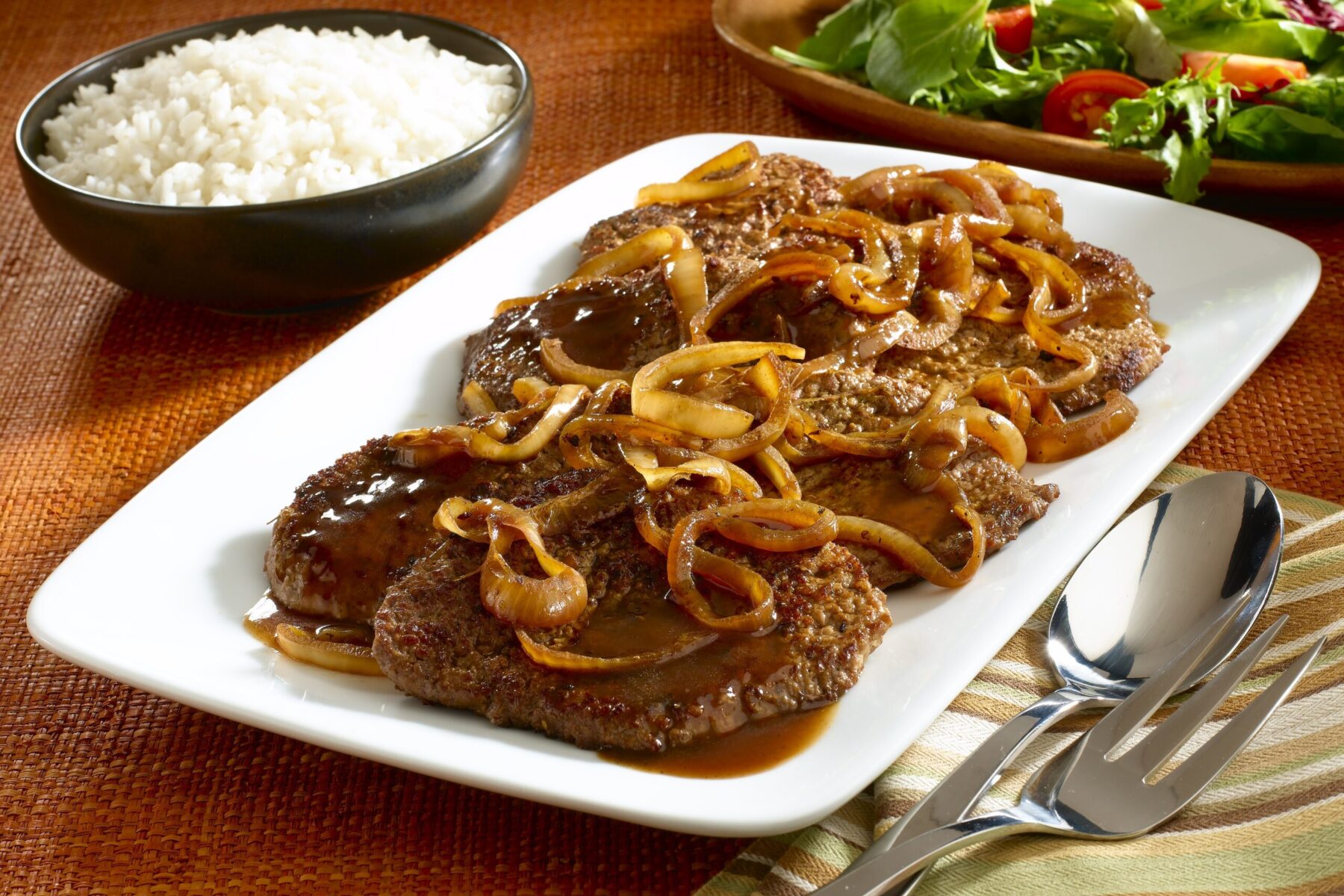
When you stand at the butcher counter or scan a Mexican restaurant menu, choosing between bistec and fajita shapes the entire flavor profile of your meal. While both terms refer to seasoned beef cooked over heat, they represent fundamentally different cuts, preparation styles, and culinary traditions. Understanding these variations ensures you pick the right meat for tacos, sizzling platters, or quick skillet suppers.
The primary difference lies in the cut of beef and how it's butchered. Bistec is a Spanish adaptation of the English word "beefsteak," serving as a catch-all term for thin beef steaks cut from various parts of the animal, often pan-seared or chopped for tacos. In contrast, fajita originates specifically from faja, the Spanish word for belt or girdle, pointing directly to the skirt steak (or occasionally flank steak) traditionally carved from the diaphragm muscle.
Defining Bistec: The Versatile Everyday Steak
Bistec isn't one single muscle on a cow; it's a preparation and cutting style. In Latin American and Mexican kitchens, bistec usually means thin-cut beef steaks cooked quickly over high heat.
Common Cuts Used for Bistec
Butchers make bistec from several affordable, flavorful parts of the animal. Because the slices are cut thin, they cook in minutes without drying out entirely.
- Top Round (Pulpa Negra): A lean cut from the rear leg with robust beef flavor, though it requires careful cooking to avoid toughness.
- Sirloin (Diezmillo or similar chuck variations): Offers a tender texture with a bit more natural marbling.
- Chuck Steak: Yields a rich, beefy taste, though it often features more connective tissue.
How Bistec Is Typically Prepared
Bistec is rarely grilled as a massive, thick slab like a traditional American ribeye. Instead, home cooks season the thin slices with salt, black pepper, garlic powder, and fresh lime juice.
It's frequently cooked in a heavy skillet or comal with onions and tomatoes, as seen in bistec a la mexicana. The meat releases its juices, creating a rich pan sauce that coats the beef. Alternatively, cooks chop the cooked steak into small pieces to fill soft corn tortillas for street tacos (tacos de bistec).
Defining Fajita: The Texas-Mexico Border Tradition
The word fajita carries a specific historical and structural meaning rooted in the ranch cooking traditions of South Texas.
The Authentic Cut: Skirt Steak
Historically, authentic fajitas use skirt steak (arrachera in Mexico). This muscle works hard during the cow's life, resulting in long, prominent muscle fibers and an intensely beefy flavor.
Because skirt steak is naturally tough, expert preparation is non-negotiable. Cooks usually submerge the meat in an acidic marinade containing citrus juice, garlic, and oil to break down surface proteins. High-heat open-flame grilling creates a charred exterior while keeping the interior juicy.
Modern Restaurant Adaptations
Walk into a modern Tex-Mex restaurant, and you'll encounter a sizzling iron skillet piled high with strips of beef, chicken, or shrimp, accompanied by sautéed bell peppers and onions. While purists note that traditional border recipes focused primarily on the grilled skirt steak rather than a mountain of sweet bell peppers, the vegetable combination is now globally recognized as part of the fajita experience.
Direct Comparison: Bistec vs Fajita
To clarify how these two beef preparations diverge, look at their core attributes side by side:
- Cut Origin: Bistec can come from the round, sirloin, or chuck. Authentic fajitas come exclusively from the skirt or flank.
- Thickness and Shape: Bistec is pounded or sliced into thin, flat cutlets. Fajita meat is a long, thick strip of muscle with a distinct grain.
- Cooking Method: Bistec is typically pan-seared, braised with vegetables, or diced. Fajitas are grilled over high, direct heat (often charcoal or wood smoke) and sliced against the grain.
- Serving Style: Bistec is served chopped in tacos, smothered in salsa, or as a single thin steak on a plate. Fajitas are served as long strips, traditionally accompanied by flour tortillas, guacamole, sour cream, and grilled vegetables.
Common Mistakes When Cooking Both Cuts
Even experienced home cooks run into trouble when handling thin steaks and skirt steak. Avoiding these errors ensures tender, flavorful results every time.
Cutting with the Grain
With both bistec and fajitas, the knife placement matters immensely. Both cuts feature visible muscle fibers running in a single direction. If you slice parallel to those lines, every bite will feel chewy and tough. Always let the cooked meat rest for five minutes, locate the direction of the fibers, and slice strictly perpendicular (against) the grain to shorten those fibers artificially.
Overcooking Thin Cuts
Bistec and skirt steak are thin, meaning they cross the line from medium-rare to leather in seconds. Keep your cooking surface screaming hot, sear the meat rapidly, and pull it off the heat before it loses all its moisture.
Skipping the Marinade on Skirt Steak
Bistec can often get away with a simple dry seasoning of salt, pepper, and garlic if it's going into a juicy tomato stew. Skirt steak, however, benefits immensely from an acid-based marinade (using lime or orange juice) to tenderize the dense muscle structure.
Frequently Asked Questions
Can I substitute bistec for fajita meat in a recipe?
You can substitute them in a pinch, but expect a texture difference. Bistec lacks the heavy marbling and rich, beefy punch of skirt steak. If you use bistec for fajitas, cook it very quickly over high heat and slice it thinly so it doesn't dry out.
Why is skirt steak so much more expensive than standard bistec?
Skirt steak sits in high demand because of its deep flavor profile and limited yield per animal. Standard bistec often utilizes leaner cuts like top round, which are more abundant and generally cheaper at the butcher counter.
Do authentic fajitas require bell peppers?
No. While restaurants load sizzling platters with bell peppers and onions, historical ranch-style fajitas focused entirely on the grilled skirt steak, fresh salsa, and warm tortillas.
How do I know which direction the grain runs?
Look closely at the raw or cooked meat for parallel lines formed by the muscle fibers. You want your knife blade to cut across those lines rather than running parallel to them.
For more culinary inspiration and cooking techniques, explore resources from Serious Eats or read about traditional Mexican butchery cuts on The Culinary Institute of America.



