Southern South America hosts some of the most dynamic avian habitats on earth. If you're chasing high species counts, dramatic landscapes, and specialized endemics, Argentina and Uruguay form an exceptional travel corridor. Together, they shelter over 1,600 bird species across ecosystems that range from sub-polar Fuegian forests and arid Patagonian steppes to the vast flooded grasslands of the Iberá Wetlands and coastal Atlantic lagoons.
Planning a birding trip across these two nations requires understanding how climate, geography, and seasonal shifts dictate bird movement. This guide breaks down the premier regions, target species, logistical strategies, and common mistakes that travelers make when exploring the Southern Cone.
Understanding the Avian Geography of Argentina and Uruguay
Argentina spans over 2.7 million square kilometers, creating massive climatic variation from north to south and east to west. Uruguay is much smaller, functioning ecologically as an extension of the Argentine pampas and subtropical river basins, yet it punches far above its weight for wetland and grassland conservation.
The region's topography is defined by the massive spine of the Andes to the west, the arid Patagonian plateau in the south, the dry scrublands of the Gran Chaco in the north, and the great river systems—the Paraná and Uruguay rivers—draining toward the Atlantic. Each of these zones supports distinct families of birds, meaning a successful trip relies on hitting multiple contrasting habitats rather than staying in one base.
The Subtropical North and Gran Chaco
Northern Argentina and the border regions near Uruguay feature humid subtropical forests, extensive wetlands, and dry woodlands. This area holds the highest species density in the region.
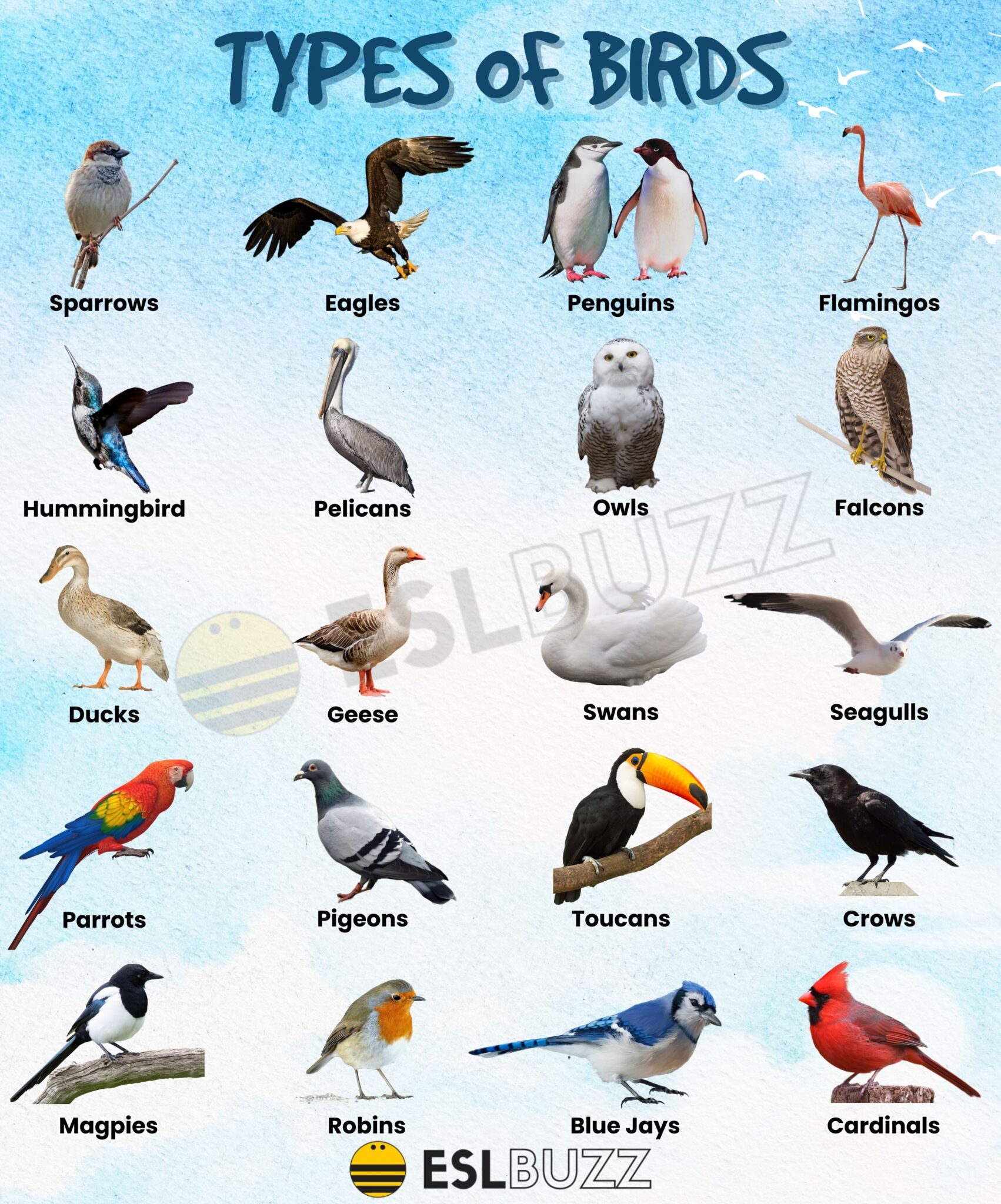
- Target species include toucans, parrots, woodpeckers, and numerous colorful tanagers.
- Seasonal timing matters: visiting during the austral spring (September to November) maximizes vocalization and breeding activity.
The Humid Pampas and Wetland Corridors
Stretching across central Argentina and all of Uruguay, the pampas and associated marshlands are premier zones for waterbirds, raptors, and grassland specialists.
- Key protected areas like Esteros del Iberá in Corrientes Province provide boat-based birding where you can approach species that are wary in other parts of their range.
- Uruguay's eastern coastline features shallow lagoons and palm savannas that attract unique austral migrants.
Premier Birding Hotspots Across Both Countries
To make the most of your time, focus on distinct ecotypes. Trying to see everything in a single two-week trip leads to burnout; instead, pick two complementary regions.
1. Iberá Wetlands (Corrientes, Argentina)
Often compared to the Brazilian Pantanal, Iberá is a vast network of swamps, bogs, and floating islands. Water levels fluctuate seasonally, concentrating fish-eating birds and waders.
- Key Birds: Jabiru storks, southern screamers, capuchino seedeaters, and the scarce Strange-tailed Tyrant.
- Logistics: Access is typically through towns like Carlos Pellegrini. Local boat tours are essential for reaching interior lagoons.
2. Patagonia and Tierra del Fuego (Southern Argentina)
Moving south transitions the landscape into windy steppes, cold-temperate Nothofagus forests, and dramatic marine coasts.
- Key Birds: Magellanic woodpecker, torrent duck, Magellanic plover, and various coastal penguins and albatrosses accessed via boat trips out of Ushuaia or Puerto Madryn.
- Logistics: Renting a robust 4WD vehicle is non-negotiable for gravel roads in southern Patagonia.
3. Bañados de Rocha and Cabo Polonio (Uruguay)
Uruguay's Atlantic coast is a sanctuary for migratory shorebirds and marsh specialists. The Rocha department features shallow coastal lakes separated from the ocean by sand dunes.
- Key Birds: Black-necked swans, coscoroba swans, marsh tyrants, and migrant buff-breasted sandpipers.
- Logistics: Renting a car in Montevideo and driving east along Ruta 9 provides easy access to multiple reserve entry points.
Essential Gear and Preparation
Birding in South America presents varied microclimates. You might experience blistering heat and humidity in the northern chaco one week, followed by freezing winds and rain in Tierra del Fuego the next.
- Optics: Bring reliable 8x42 or 10x42 binoculars with good low-light performance for dense forest understories. A spotting scope is vital for open wetlands and coastal mudflats.
- Clothing: Layering is crucial. Quick-dry shirts and convertible pants work best in the north, while windproof and waterproof shells are mandatory in Patagonia.
- Field Guides: Rely on trusted regional references such as Birds of Argentina and the Southwest Atlantic by Mark Pearman and Juan Ignacio Areta, or digital databases like eBird for recent sightings.
Common Mistakes to Avoid
Travelers frequently underestimate the sheer scale of Argentina and Uruguay, leading to exhausting itineraries.
- Overpacking the itinerary: Don't attempt to visit Salta, Iguazu, Buenos Aires, and Ushuaia in a single ten-day trip. Internal flights are efficient, but regional transit eats up entire days.
- Ignoring seasonality: Southern hemisphere seasons are flipped. Traveling in June or July (winter) means cold temperatures in the south and reduced bird song in many areas, though northern regions remain pleasant.
- Failing to book specialized guides: While general wildlife tourism is common, finding elusive tapaculos or secretive grassland seedeaters requires hiring local ornithological guides who know vocalizations intimately.
Frequently Asked Questions
Do I need a visa to visit Argentina and Uruguay for birding?
Citizens of the US, Canada, EU, UK, and Australia typically do not require a tourist visa for stays under 90 days in either Argentina or Uruguay, though you must ensure your passport is valid for at least six months beyond your arrival date.
What is the single best month of the year to visit?
October and November are widely considered the peak months. It's the austral spring, meaning breeding plumage is at its finest, birds are actively singing and defending territories, and austral migrants have arrived from the north.
Is Spanish necessary for independent birding?
While major lodges and tour operators employ English-speaking guides, knowing basic Spanish birding terms and travel phrases greatly simplifies navigation, car rentals, and interacting with local landowners outside major cities.
How safe is self-drive travel for birders?
Highway travel in Uruguay and central/northern Argentina is generally straightforward and safe. However, remote gravel roads in Patagonia require cautious driving, spare tires, and careful fuel management as gas stations can be hours apart.


