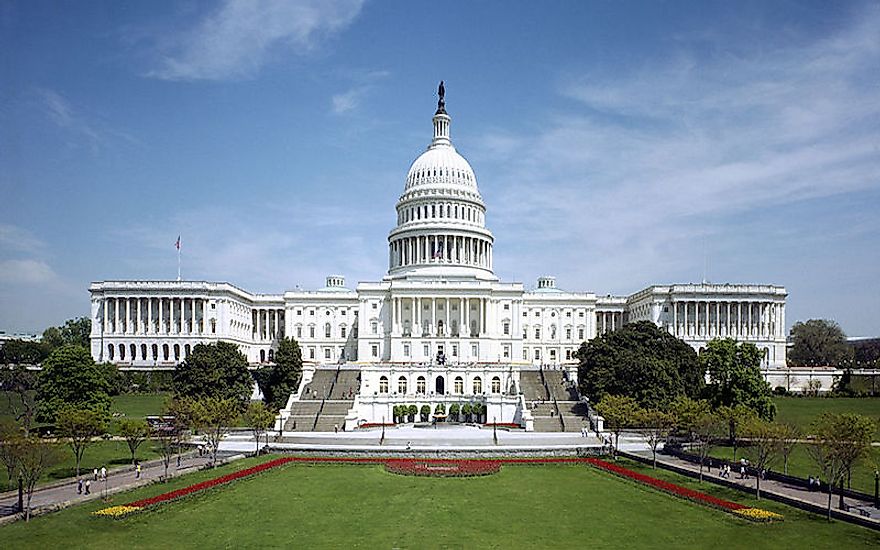
Lawmakers in Washington are once again pushing joint measures to revitalize domestic manufacturing and expand employment opportunities. Bipartisan legislation focusing on advanced manufacturing and job creation targets persistent supply chain vulnerabilities, high-tech skills shortages, and heavy international competition. These legislative packages blend federal investments with targeted workforce development programs to secure industrial hubs across the country.
Understanding how these bills move through Congress and impact the broader economy requires looking past surface-level political announcements. Industrial policy shifts depend heavily on funding mechanisms, workforce training grants, and regional tech hubs.
Core Drivers Behind Modern Manufacturing Bills
The push for new industrial laws stems from exposed weaknesses in global supply chains. When international shipping bottlenecks and geopolitical tensions disrupted the flow of critical components, lawmakers recognized that relying entirely on overseas production threatened national security and economic stability.
Several structural challenges drive current congressional efforts:
- Workforce Gaps: Factories require technicians trained in automation, robotics, and digital fabrication, but educational pipelines haven't kept pace.
- Infrastructure Deficits: Local plants often lack the modern digital grid connections and high-speed data access needed to run smart factories.
- Global Subsidies: Foreign governments heavily subsidize their domestic tech and industrial sectors, making it difficult for American firms to compete on price alone.
Legislative packages attempt to counter these hurdles by offering financial incentives for domestic facility construction, tax credits for equipment modernization, and direct support for vocational and technical training initiatives.
Key Components of Bipartisan Industrial Legislation
When members of Congress across both major parties agree on industrial policy, the resulting bills typically share common structural pillars. Rather than focusing solely on corporate tax relief, successful drafts balance capital investments with labor readiness.
Workforce Development and Technical Training
A factory filled with advanced machinery remains idle without operators who understand computer numerical control programming, mechatronics, and industrial cybersecurity. Recent bills allocate funding directly to community colleges and technical high schools. These grants create specialized curricula designed alongside local industrial employers. By aligning classroom instruction with actual factory floor requirements, programs reduce the time it takes to place workers into high-paying technical roles.
Regional Innovation Hubs
Instead of concentrating economic growth in a few traditional coastal technology centers, bipartisan frameworks encourage geographic diversity. Bills frequently authorize the creation of regional hubs. These hubs bring together universities, private manufacturers, and local governments to commercialize research and scale production locally. This decentralized approach helps revitalize small and mid-sized manufacturing towns that experienced decades of decline following industrial offshoring.
Economic Impacts and Job Creation Metrics
Proponents argue that targeted federal seed money triggers a multiplier effect, drawing private capital back into American industrial corridors. When a semiconductor fabrication plant, aerospace component facility, or advanced battery plant breaks ground, it generates secondary employment opportunities in logistics, construction, maintenance, and material supply.
However, translating legislative text into sustainable employment isn't automatic. Critics and independent analysts often point out potential pitfalls:
- Implementation Delays: Bureaucratic hurdles in distributing federal grants can stall factory construction for years.
- Credential Mismatches: If state programs train workers for outdated machinery, graduates may struggle to find relevant openings.
- Inflationary Pressures on Labor: Rapid expansion can create acute localized shortages of skilled tradespeople, driving up construction costs.
To mitigate these issues, recent legislative drafts emphasize transparency, milestone-based funding, and regular audits by agencies like the Government Accountability Office.
Implementation Steps for Manufacturers and Communities
For regional business leaders and local government officials, tracking federal legislation means preparing to leverage new opportunities before funds run dry.
- Audit Current Workforce Needs: Identify specific technical skill gaps within your existing employee base.
- Engage Local Educational Partners: Connect with nearby community colleges to see how state and federal grants can fund custom training tracks.
- Monitor Agency Portals: Watch announcements from agencies like the National Institute of Standards and Technology for grant application windows and technical assistance guidelines.
- Form Regional Consolidations: Partner with neighboring municipalities and industrial peers to submit competitive joint applications for regional innovation funding.
Frequently Asked Questions
What differentiates advanced manufacturing bills from traditional trade policy?
Traditional trade policy relies on tariffs, import quotas, or trade agreements to alter the cost of foreign goods. Advanced manufacturing legislation focuses inward, providing direct subsidies, research grants, and workforce training programs to boost domestic production capabilities.
How do these bipartisan bills address supply chain vulnerabilities?
They fund domestic production facilities for critical items like semiconductors, advanced batteries, and medical components, reducing reliance on single-source international suppliers.
Are these programs open to small and medium-sized enterprises?
Yes. Many legislative packages include specific provisions, such as Manufacturing Extension Partnership expansions, designed to help smaller supply-chain vendors adopt modern digital tools and automation.
What kind of jobs do these legislative initiatives typically create?
They create a mix of high-paying technical roles—such as industrial automation technicians, quality control engineers, and maintenance specialists—alongside traditional fabrication and logistics positions.


