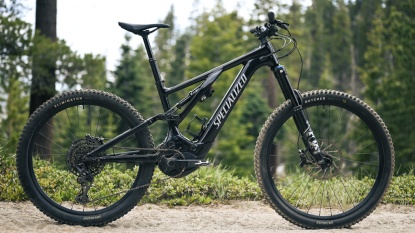
Deciding between a pedal-assisted or motor-driven bicycle and a full-displacement motorcycle comes down to physics, infrastructure, and legal classification. While casual conversation blurs the lines, regulatory bodies and insurance companies draw sharp distinctions based on engine displacement, top speed, and licensing requirements. Choosing the right machine means cutting past marketing jargon and analyzing your daily commute, budget, and risk tolerance.
Legal and Regulatory Classifications
Every jurisdiction categorizes two-wheeled vehicles differently, dictating what license, registration, and safety gear you need before touching public asphalt. Knowing these legal boundaries prevents costly tickets or riding an uninsured vehicle.
- Bicycles and E-Bikes: Typically limited to a 250W to 750W motor output with top speeds capped at 20 mph to 28 mph. Most regions don't require a driver's license, insurance, or vehicle registration for class 1 or class 2 e-bikes.
- Mopeds and Scooters: Engine displacements range from 49cc to 50cc, with top speeds restricted to 30 mph. Many states require a standard driver's license and basic registration, but skip mandatory motorcycle endorsements.
- Motorcycles: Any machine exceeding 50cc or capable of sustained highway speeds above 45 mph. You must hold a valid motorcycle endorsement (such as an M-class license), carry liability insurance, and pass state vehicle safety inspections.
According to the National Highway Traffic Safety Administration, motorized two-wheelers demand strict adherence to federal safety standards, meaning helmets must meet FMVSS 218 certification rather than simple bicycle helmet ratings.
Total Cost of Ownership Breakdown
Purchase price represents only a fraction of what you'll spend keeping a two-wheeled vehicle on the road. Maintenance schedules, insurance premiums, and gear add up quickly.
- Upfront Costs: A reliable commuter e-bike runs between $1,500 and $3,500. A dependable entry-level 300cc motorcycle starts around $5,000, plus $800 to $1,500 for proper Department of Transportation-approved gear.
- Fuel and Energy: Electric bikes cost pennies to charge per 50 miles. A 300cc motorcycle averaging 65 miles per gallon delivers exceptional fuel economy compared to a car, but requires premium gasoline and more frequent oil changes.
- Insurance Rates: E-bikes are often covered under standard renter's or homeowner's policies. Motorcycle insurance varies drastically based on your age, riding history, and engine displacement—ranging from $300 a year for a small cruiser to over $2,000 for a liter-class sportbike.
Performance and Urban Mobility Dynamics
How a machine handles tight city corners versus open interstate lanes dictates its daily practicality.
Bikes and low-powered scooters excel in dense metropolitan areas with dedicated bike lanes or heavy stop-and-go traffic. Their low wet weight—often under 150 pounds for e-bikes—makes them easy to maneuver, park on sidewalks, or store inside apartments. However, they lack the raw acceleration needed to merge safely onto high-speed ring roads or navigate steep rural inclines.
Motorcycles provide the torque and stability required for open-road travel. Weighing anywhere from 300 to 800 pounds, they maintain steady tracking in crosswinds and cross highway expansion joints without losing traction. Suspension travel is vastly superior, absorbing potholes that would easily bend a bicycle rim.
Common Rider Mistakes
New riders often jump into a purchase without considering their long-term environment or physical stamina.
- Buying too much power too soon: Purchasing a 1,000cc sportbike as a first machine often leads to throttle misjudgments in emergency braking situations.
- Ignoring gear costs: Many beginners spend their entire budget on the bike, leaving zero dollars for a quality helmet, armored jacket, riding pants, and boots.
- Overlooking seasonal weather: Failing to account for rain, snow, and ice limits a two-wheeled commute to only a few warm months in northern climates.
Frequently Asked Questions
Can I ride an electric bike on the highway?
No. State and federal laws strictly prohibit non-motorcycle-classified vehicles on controlled-access highways and interstates where minimum speed limits apply.
Do I need a special license for a 125cc motorcycle?
Yes. Anything over 50cc requires a motorcycle learner's permit followed by a practical skills test to secure a full motorcycle license endorsement in almost all jurisdictions.
Which is safer for city commuting?
Neither is universally safer, but they carry different risk profiles. Bikes operate at lower speeds with less kinetic energy, reducing the severity of impacts, whereas motorcycles offer better braking power and visibility in fast-moving traffic lanes.



