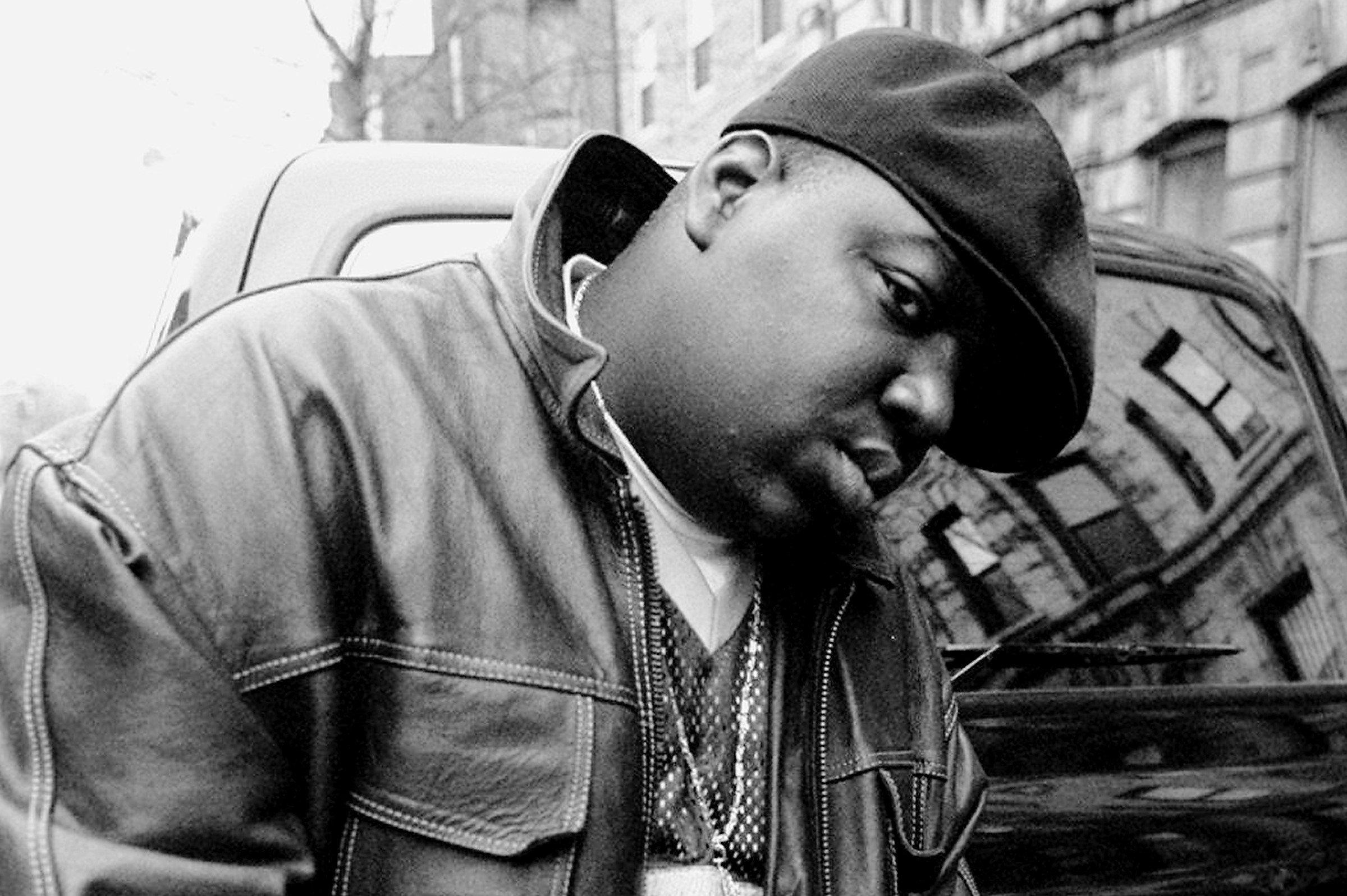
The creative and personal alliance between The Notorious B.I.G. and Lil Kim permanently altered the trajectory of East Coast hip hop. When Christopher Wallace took Kimberley Jones under his wing in the mid-1990s, he didn't just help launch a protege; he unlocked a blueprint for raw, unfiltered storytelling that rejected respectability politics and placed female sexual agency at the center of commercial rap. Their partnership spanned iconic tracks, mentoring dynamics, and a complex personal history that continues to define 90s music lore.
Beyond the tabloids and romantic mythology, their collaboration was a masterclass in penmanship, vocal contrast, and brand building. Biggie brought a smooth, baritone delivery and novelistic crime narratives, while Lil Kim injected an aggressive, unapologetic perspective that changed how women wrote about power, money, and desire. Understanding their impact requires looking past the surface glamour to examine how they built songs together, shifted industry standards, and influenced generations of artists.
The Foundation: From Brooklyn Streets to Junior MAFIA
Long before global chart success, both artists navigated the hyper-local crucible of Brooklyn. Biggie, hailing from Bedford-Stuyvesant, had already captured the attention of Sean "Puffy" Combs and the nascent Bad Boy Records roster with his dense, cinematic verses on Ready to Die. Kimberley Jones, a teenager from a turbulent home background, crossed paths with Wallace in her local neighborhood. Recognizing her charisma and distinct cadence, Biggie encouraged her to rap and integrated her into his newly formed Brooklyn crew, Junior MAFIA (an acronym for Masters At Finding Intelligent Attitudes).
The group's 1995 debut album, Conspiracy, served as the public laboratory for their collaboration. Tracks like "Player's Anthem" and "Get Money" established the dynamic immediately. On "Get Money," trading bars back and forth, they didn't sound like a mentor and a newcomer; they sounded like equals locked in a fierce lyrical sparring match.
- The Vocal Contrast: Biggie's relaxed, conversational flow grounded the track, while Kim's high-energy delivery cut through the instrumental with sharp, confrontational warnings.
- The Narrative Approach: Instead of occupying traditional background roles assigned to women in 90s rap videos, Kim front-and-centered her own perspective on heartbreak, betrayal, and financial independence.
Redefining Female Autonomy in Hardcore Rap
Before Lil Kim stepped into the booth for her 1996 debut solo album, Hard Core, female MCs in mainstream hip hop largely fell into specific archetypes—conscious afrocentric thinkers, R&B-adjacent crooners, or tomboys playing by male rules. Kim, heavily mentored and guided by Biggie during the writing process, discarded those boundaries entirely. She adopted a persona that embraced explicit sexuality, luxury, and dominance on her own terms.
Biggie served as an executive sounding board and writer for key portions of Hard Core, helping her structure multi-syllabic rhymes and punchlines that rivaled any male rapper of the era. Songs like "No Time" and "Big Momma Thang" proved that raunchy, aggressive lyricism could dominate the Billboard charts just as effectively as the era's dominant gangsta rap tropes.
- Lyrical Subversion: Kim flipped male boasts back onto men, treating wealth and sexual appetite with identical vigor.
- Stylistic Boldness: The visual identity they cultivated together—high-fashion wigs, designer furs, and unapologetic vanity—set a visual standard that modern rap superstars still reference.
Studio Chemistry: How They Crafted Duets
When Biggie and Lil Kim recorded together, the process was fueled by competitive tension and real-life friction. Their dynamic in the studio wasn't sterile; it mirrored the intense emotional volatility of their private relationship. On tracks like "Another" from Biggie's posthumous double album Life After Death, the song functioned as a dramatic argument about infidelity, blurring the lines between fiction and autobiography.
They pushed each other to rewrite verses if they fell short. Biggie famously demanded that those around him maintain high technical standards, and Kim proved relentless in matching his internal rhyme schemes and internal cadence shifts. This collaborative pressure cooker forced both artists to elevate their technical execution, resulting in some of the most intricate lyricism of the decade.
The Cultural Ripple Effect
The partnership between Biggie and Lil Kim created a template that permanently expanded hip hop's commercial and artistic boundaries. They demonstrated that cross-gender rap collaborations could be commercially viable blockbusters rather than novelty tracks.
- The Blueprint for Future Duos: The interactive back-and-forth storytelling model they perfected influenced generations of hip hop pairings, from Jay-Z and Beyoncé to modern collaborative mixtapes.
- Empowering the Next Wave: Artists spanning multiple decades have cited Kim's breakout—forged under Biggie's initial protection and endorsement—as the catalyst that allowed women in rap to claim absolute ownership over their sexual identities and financial demands. You can read more about how archival cultural preservation tracks these shifts via organizations like the National Museum of African American History and Culture.
Frequently Asked Questions
Did Biggie write all of Lil Kim's rhymes?
No. While Biggie acted as a mentor, executive producer, and sounding board—helping her structure songs and refine punchlines during her early development—Lil Kim wrote her own verses and shaped her distinct artistic identity. Their relationship was collaborative, with Biggie pushing her technical skills while her unique perspective drove the content.
What was Junior MAFIA's role in their collaboration?
Junior MAFIA was the Brooklyn collective formed by Biggie that introduced Lil Kim to a national audience. Group tracks like "Get Money" served as the training ground where Biggie and Kim built their musical chemistry before Kim launched her solo career.
How did their personal relationship affect their music?
Their romantic involvement and turbulent personal dynamic directly fueled the raw, emotional urgency of their duets. Songs often mirrored real-life conflicts regarding trust and relationships, giving tracks like "Another" an authentic, dramatic edge.
What impact did Hard Core have on hip hop?
Released in 1996, Lil Kim's debut album shattered industry glass ceilings by proving that an explicit, female-led hardcore rap album could achieve massive commercial success and critical acclaim, shifting the paradigm for women in the genre.


