When you walk into a modern tattoo parlor, it isn't uncommon to see believers discussing scripture layouts alongside traditional flash art. For modern Christians, getting a bible verse tattoos on back has transformed from a cultural taboo into a profound form of personal worship. The upper and lower back provide an expansive, private canvas that allows believers to carry scripture close to their core while maintaining professional and personal boundaries. This shift reflects a broader cultural acceptance within contemporary church communities, where body art is increasingly viewed as an outward expression of an inward spiritual journey.
Understanding why this trend is accelerating requires looking at how believers approach faith in the twenty-first century. Rather than hiding their convictions, younger generations of Christians seek permanent reminders of grace, resilience, and identity. The back offers a unique physiological landscape that supports both concise lettering and large-scale biblical imagery, making it the premier location for meaningful scriptural art.
The Cultural Shift: Christians and Body Modification
For generations, religious conservatism dictated strict interpretations of biblical passages regarding bodily alterations. Traditional viewpoints often cited Leviticus 19:28 as an absolute prohibition against any form of tattooing. However, modern theological scholarship has increasingly contextualized these ancient purity laws within their specific historical and cultural frameworks, distinguishing them from permanent expressions of devotion.
Mainline denominations and independent churches alike are adopting a more nuanced perspective. Pastors and ministry leaders now focus on the intent behind the body art rather than the modification itself. If a tattoo honors God, encourages others, or serves as a daily anchor during trials, many faith communities celebrate it as a personal testimony. This evolving perspective has opened the door for believers of all ages to reclaim skin as a sacred space.
Why Choose the Back for Scripture Tattoos?
Choosing where to place a permanent scripture requires careful thought about visibility, personal significance, and physical proportions. The back remains one of the most strategic placements for several distinct reasons:
- Anatomical Canvas: The shoulder blades, spine, and upper back offer broad, flat surfaces that accommodate clean typography and detailed scrollwork without warping over time.
- Intimacy and Privacy: Unlike forearm or wrist tattoos that remain visible during professional work hours, a back tattoo is private. It can serve as a personal covenant between the wearer and God, revealed only by choice.
- Symbolic Weight: Placing scripture across the back often symbolizes carrying the Word, leaning on divine strength, or having God's protection "watching your back" through life's hardships.
Popular Scripture Choices and Their Interpretations
Selecting the right verse is the most critical step in the tattooing process. Believers typically choose passages that reflect personal trials, spiritual milestones, or foundational doctrines.
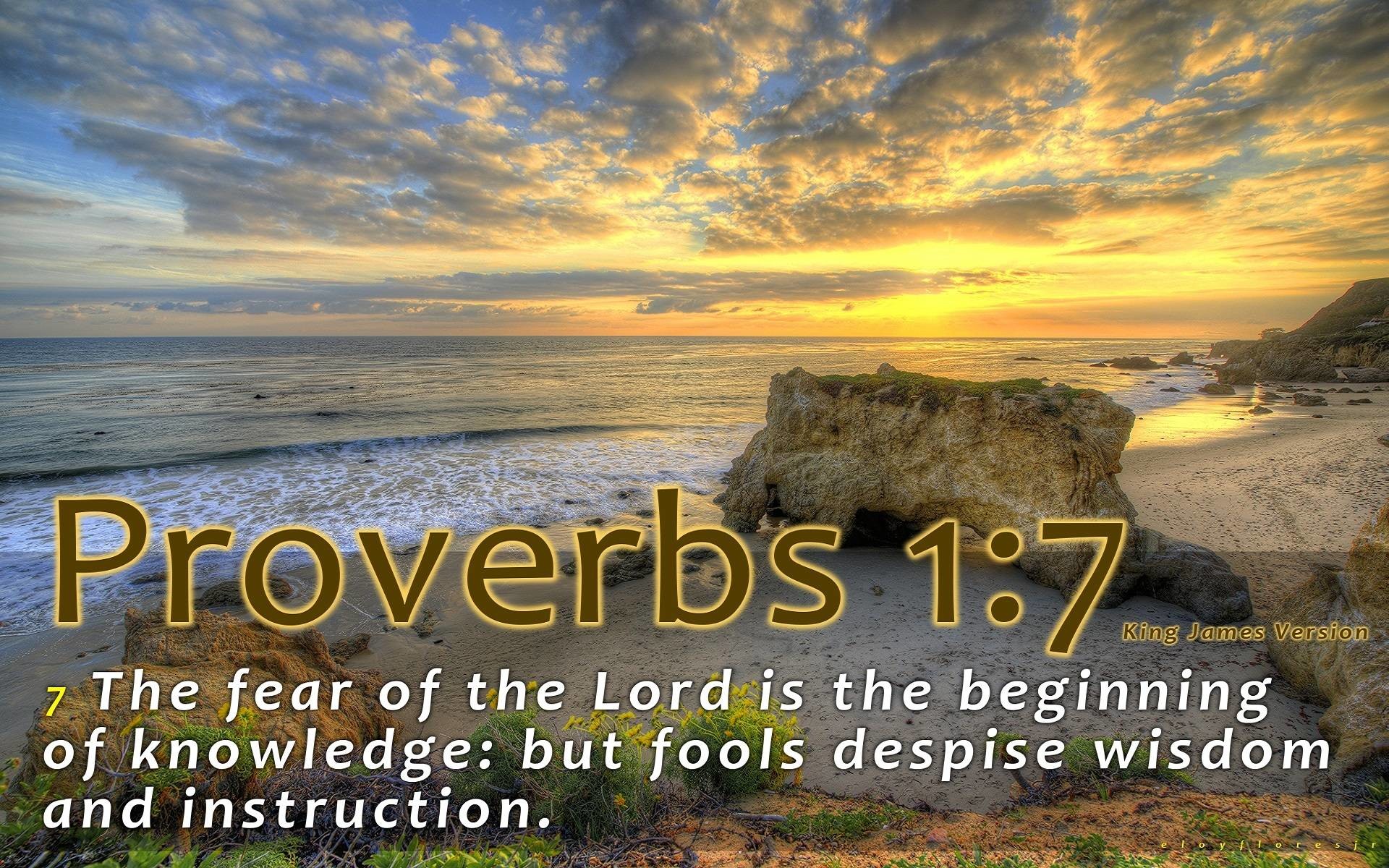
Popular selections span both the Old and New Testaments. Verses focusing on strength, such as Isaiah 40:31 ("those who hope in the Lord will renew their strength"), translate exceptionally well into sweeping horizontal layouts across the shoulder blades. Similarly, concise declarations like Philippians 4:13 fit vertically along the spine, utilizing the natural alignment of the vertebrae.
When planning your layout, consider how the text interacts with your anatomy. Long passages require careful font selection to maintain legibility from a distance, whereas shorter phrases allow for elegant, minimalist script.
Practical Steps for Planning Your Sacred Ink
Getting a scripture tattoo requires deliberate preparation to ensure the final artwork honors both the text and your personal standards. Rushing into a parlor without a clear plan often leads to regret or poor execution.
- Verify the Translation: Different Bible translations use distinct phrasing. Compare versions like the ESV, NIV, and KJV to find the exact rhythm and wording that resonates with your spirit.
- Consult a Specialized Artist: Look for tattoo artists who specialize in fine-line script, lettering, or religious iconography. Ask to see healed examples of their text work, as script tends to blur or bleed over time if executed poorly.
- Map the Placement: Work with your artist during a stencil consultation to test different positions—such as centered between the shoulder blades versus running vertically down the spine—to see how your posture affects the text.
- Plan for Healing: Back tattoos require careful aftercare, particularly regarding clothing friction and sleeping positions. Ensure you have loose-fitting cotton garments and someone to help apply ointment to hard-to-reach areas during the initial healing window.
For additional guidance on ethical tattooing practices and health standards, consult the Association of Professional Piercers guidelines on body modification safety.
Common Mistakes to Avoid
Even with the best intentions, people often make avoidable errors when committing scripture to their skin. Being aware of these pitfalls saves you from costly laser removal or frustrating cover-ups.
- Choosing Tiny Fonts for Long Verses: Cramming an entire chapter into a small space on the shoulder blade results in an illegible blur within a few years as ink naturally spreads in the dermis.
- Ignoring Spelling and Grammar: Always double-check the stencil against your preferred Bible translation. A missing comma or misspelled word can drastically alter the meaning of sacred text.
- Neglecting Body Symmetry: The human back shifts constantly. Failing to align text with your natural spine or shoulder alignment will cause the tattoo to appear crooked when you stand relaxed.
- Rushing the Design Phase: Don't settle for standard computer fonts. Custom lettering designed by a skilled artist ensures your tattoo looks like a piece of fine art rather than a digital printout.
Frequently Asked Questions
Does getting a scripture tattoo on the back hurt?
Pain levels vary depending on the exact placement. Areas directly over the spine, shoulder blades, and lower back near the hips feature less fatty tissue and closer bone structure, resulting in higher sensitivity compared to the meaty parts of the upper back.
How do I care for a tattoo I cannot easily reach?
Because back tattoos are difficult to wash and moisturize independently, you'll need assistance from a partner or family member during the first two weeks of the healing process. Always wash your hands thoroughly before helping someone apply aftercare products.
Will a back tattoo stretch or warp over significant weight fluctuations?
The upper back and shoulder blade regions are generally stable areas that resist major stretching compared to the abdomen or hips. However, extreme muscle growth or significant weight changes can alter the appearance of large back pieces.
How do I choose a font style that remains readable over time?
Classic serif or clean hand-lettered script styles age much better than ultra-thin minimalist fonts or heavy gothic lettering. Ask your artist to recommend line weights that balance aesthetic elegance with long-term durability.