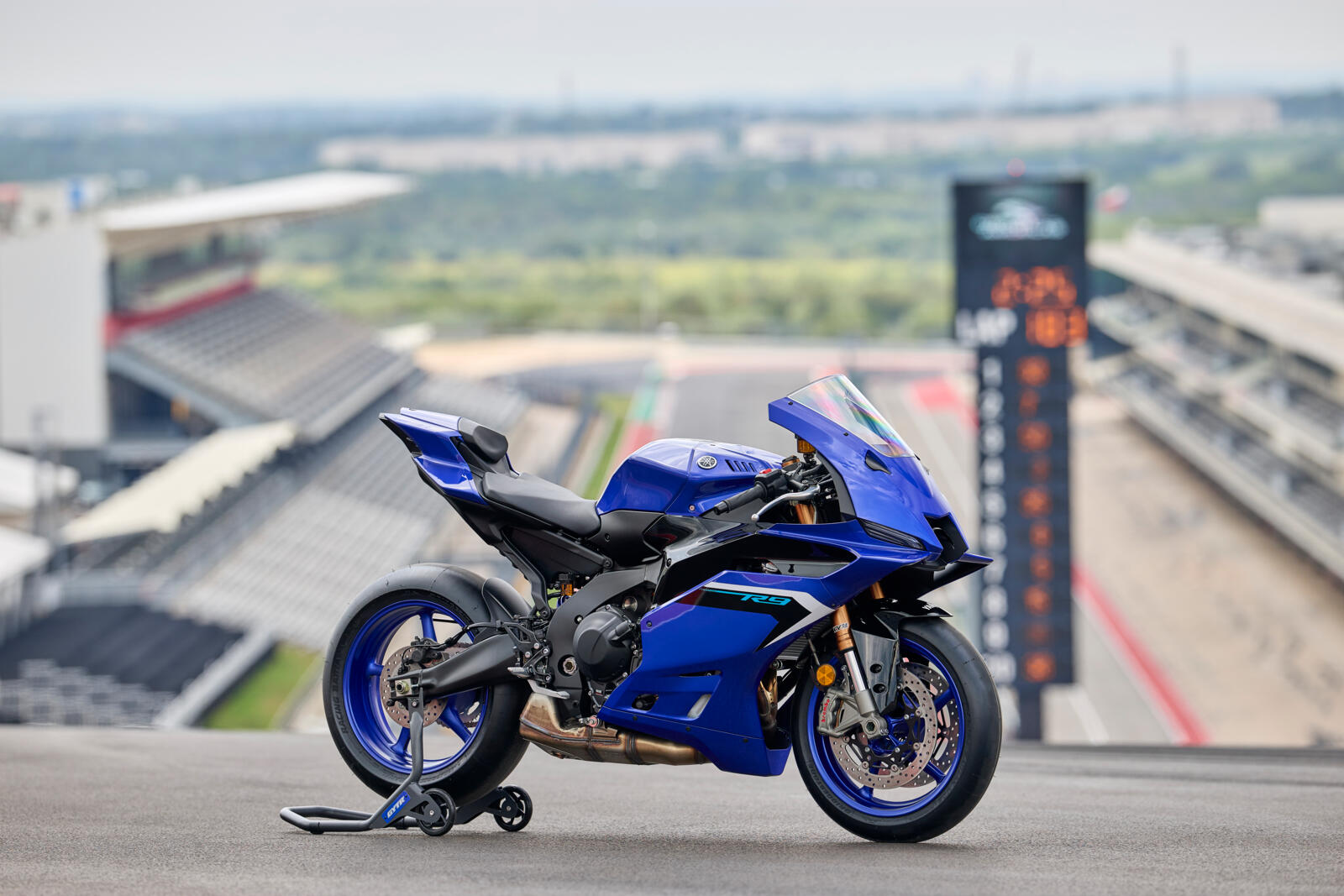
Choosing your first motorcycle shapes how you interact with two wheels for years to come. Among entry-level options, Yamaha holds a commanding position. The Yamaha YBR 125 and the Yamaha MT-03 sit at opposite ends of the small-displacement spectrum, yet both dominate beginner ranks worldwide. One focuses on pure, unpretentious commuting and urban economy, while the other delivers aggressive naked-bike styling and highway-capable performance.
Finding the right machine depends on whether your riding needs center on low-cost urban transit or building foundational skills for open-road freedom. Examining engine behavior, ergonomics, maintenance costs, and real-world handling clarifies why these two machines capture the beginner market.
The Case for Small Displacement: Why Entry-Level Yamahas Stand Out
Starting on a manageable motorcycle prevents the intimidation that stops many riders before they begin. Huge displacement bikes introduce excessive weight and twitchy throttle responses that complicate clutch control and cornering geometry. Yamaha structures its beginner lineup to bridge the gap between complete novice anxiety and confident road mastery.
The YBR 125 and MT-03 remove steep learning curves through forgiving power delivery and light chassis designs. Instead of wrestling a heavy machine through tight city blocks, riders focus on reading traffic, mastering counter-steering, and developing smooth braking habits.
- Low seat heights accommodate various inseams safely.
- Predictable power bands prevent accidental whiskey-throttling.
- Light curb weights make parking-lot maneuvers effortless.
Yamaha YBR 125: The Ultimate Urban Commuter
For riders prioritizing ultra-low operating costs and mechanical simplicity, the Yamaha YBR 125 serves as an industry benchmark. It features a straightforward air-cooled, four-stroke single-cylinder engine that produces roughly 10 horsepower. While those numbers sound modest, they provide more than enough zip to pull away from city traffic lights legally and cleanly.
Fuel efficiency defines the YBR 125 experience. Owners frequently report fuel economy exceeding 50 kilometers per liter (over 100 miles per gallon), turning daily commuting into an afterthought for household budgets. The bike features a 5-speed transmission, a comfortable upright seating posture, and a soft suspension setup that swallows potholes and cracked asphalt.
Performance and Everyday Practicality of the YBR 125
The YBR 125 isn't built for track days or long-distance interstate cruising. Its top speed hovers around 90 to 100 km/h, meaning sustained highway travel strains the engine. However, in dense urban environments or suburban gridlock, its slim profile allows riders to slip through tight gaps with total confidence.
Maintenance is another major advantage. Because the mechanical layout relies on basic air cooling and a reliable fuel injection or carbureted system depending on the model year, basic servicing happens in a home garage with standard tools. Chain adjustments, oil changes, and spark plug swaps take minutes rather than hours.
Yamaha MT-03: The Modern Naked Bike for Rapid Skill Growth
Riders who need highway capability straight out of the gate require a step up in displacement. The Yamaha MT-03 delivers a sharp, aggressive hyper-naked aesthetic packed with a liquid-cooled, 321cc parallel-twin engine. Generating around 41 horsepower, this machine bridges the gap between a true beginner trainer and an intermediate streetfighter.
Weighing roughly 370 pounds wet, the MT-03 remains exceptionally light. The chassis borrows heavily from Yamaha's sportbike heritage, offering sharp turn-in behavior and planted mid-corner stability. Recent model iterations include assist and slipper clutches to smooth out harsh downshifts, along with upright handlebars that keep posture comfortable for all-day riding.
Why the MT-03 Appeals to Progressive Riders
Choosing the MT-03 means buying a motorcycle that won't feel boring after six months of riding. It cruises effortlessly at 120 km/h on major highways, giving new riders the power reserve needed to pass slower traffic safely.
- Parallel-twin engine layout produces smooth power delivery across the rev range.
- Upright ergonomics maintain visibility without putting pressure on wrists.
- Aggressive styling cues mimic larger displacement MT models.
Stopping power is managed by hydraulic disc brakes equipped with standard Anti-lock Braking System (ABS) tech, offering critical safety margins when panic-stopping on wet pavement.
Direct Comparison: YBR 125 vs. MT-03
| Feature | Yamaha YBR 125 | Yamaha MT-03 |
|---|---|---|
| Engine Type | 123cc air-cooled single | 321cc liquid-cooled twin |
| Horsepower | ~10 hp | ~41 hp |
| Top Speed | ~95 km/h | ~160+ km/h |
| Primary Use | City commuting, budget delivery | Urban riding, twisties, light touring |
| Highway Capable | No (struggles above 80 km/h) | Yes (comfortable at highway speeds) |
| License Class | A1 / Light motorcycle tier | A2 / Intermediate tier |
Common Mistakes Beginners Make When Choosing
New riders frequently miscalculate their actual daily routes when selecting a motorcycle. Buying a 125cc bike for a commute that involves 20 miles of open highway creates a frustrating experience where the engine operates at maximum redline just to keep up with traffic. Conversely, buying a 300cc+ twin when only navigating narrow city lanes introduces unnecessary purchase and insurance costs.
Another common pitfall involves ignoring gear costs. Budgeting exclusively for the purchase price of a YBR 125 or MT-03 leaves riders short when it comes to purchasing an ECE-certified helmet, armored jacket, riding gloves, and sturdy boots. Always set aside ten percent of your vehicle budget for proper protective gear.
Frequently Asked Questions
Can the Yamaha YBR 125 handle highway riding?
It is not designed for fast multi-lane highways. While it reaches speeds around 90 to 100 km/h, doing so leaves no power reserve for passing or emergencies. Stick to urban and secondary roads with this machine.
Is the Yamaha MT-03 too powerful for a complete novice?
Not at all. Despite producing 41 horsepower, the power delivery is linear and predictable. It won't surprise you with sudden power surges unless you aggressively twist the throttle in lower gears.
Which model offers better resale value?
Both models hold their value exceptionally well because demand for reliable entry-level Japanese motorcycles remains high. However, the MT-03 often sells faster because riders transitioning out of a 125cc machine actively seek them out.
Do I need special licensing for these bikes?
Licensing requirements vary by region. The YBR 125 typically falls into the A1 or local equivalent light-motorcycle license tier, whereas the MT-03 usually requires an A2 or intermediate unrestricted motorcycle endorsement. Check local regulations before purchasing.



