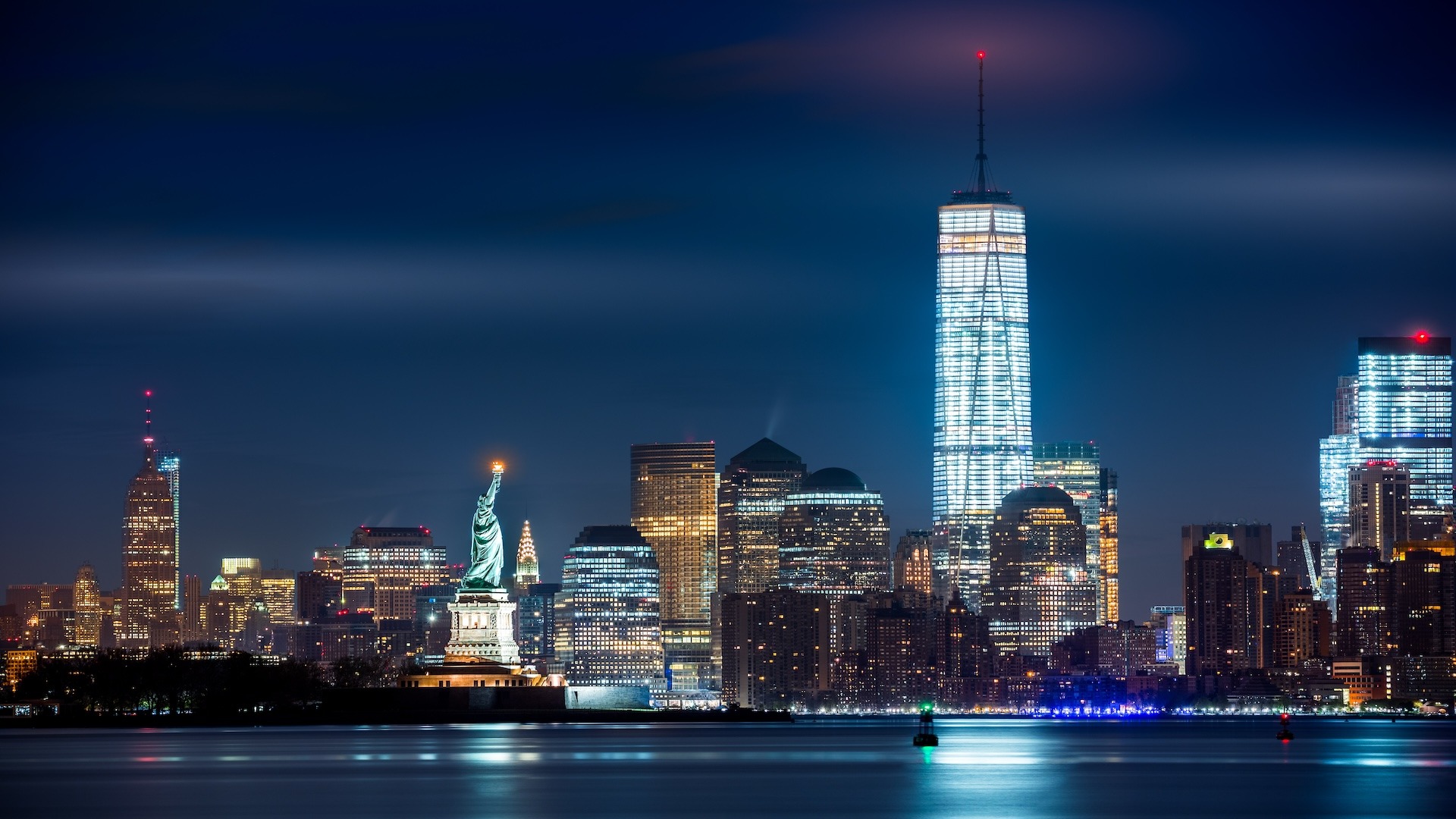
Finding the true sound of New York City isn't about picking a single track with glossy production. It's about listening to the clanging pianos of the Village, the gritty hip-hop beats bouncing off Queens asphalt, and the brassy swagger of Broadway lights. New York City songs capture more than just geography; they translate the chaotic rhythm, raw ambition, and relentless pressure of living inside the five boroughs.
Every great urban anthem tells a specific story about survival, heartbreak, or late-night adrenaline. Whether it's Billy Joel riding the night train from Montauk or Nas painting a cinematic picture of Queensbridge housing projects, these tracks serve as audio blueprints for an ever-shifting metropolis.
The Blueprint: Classic Melodies and Orchestral Grandeur
Long before modern hip-hop dominated urban charts, songwriters used grand arrangements and piano chords to mirror the vertical scale of Manhattan skyscrapers. These tracks created the early template for what people expected when they thought of the East Coast.
Billy Joel's "New York State of Mind" remains the gold standard for anyone returning home after a long absence. Released on his 1976 album Turnstiles, the song bypasses tourist clichés and focuses on the emotional relief of stepping back onto familiar concrete. Joel doesn't sing about landmarks; he sings about the grey skies, the subway hum, and the comforting anonymity of the crowd.
Then there's the brassy explosion of Frank Sinatra's "Theme from New York, New York". Written by John Kander and Fred Ebb for the 1977 Martin Scorsese film, Sinatra's definitive 1980 recording turned a movie theme into an eternal athletic and cultural victory lap. It's theatrical, demanding, and unapologetic.
- Key Instrumentations: Sweeping strings, upright bass, and smoky lounge pianos.
- Emotional Core: Nostalgia, arrival, and personal reinvention.
Hip-Hop Chronicles: The Voice of the Boroughs
You can't talk about modern New York City songs without looking at the hip-hop canon that turned neighborhood realities into global culture. The genre transformed subway cars, project rooftops, and street corners into recording studios.
Nas released "N.Y. State of Mind" on his 1994 debut album Illmatic when he was barely twenty years old. Backed by DJ Premier's minimalist jazz piano loop, Nas drops listeners straight into the stairwells of Queensbridge. There's no romanticizing the struggle here. The lyrics detail police sirens, midnight card games, and the constant tactical awareness required to survive urban poverty.
Decades later, Jay-Z and Alicia Keys shifted the lens upward with "Empire State of Mind." This track captured the 2009 luxury boom, mixing gritty street-level hustle with stadium-sized pop hooks. It replaced the burnt-out 1970s grit with sleek glass towers, proving that the city's identity constantly mutates while keeping its core resilience intact.
- Production Style: Sample-heavy boom-bap, gritty drum breaks, and atmospheric jazz loops.
- Lyrical Focus: Territorial pride, economic survival, and neighborhood loyalty.
Downtown Edge: Rock, Punk, and Underground Grit
While midtown had its jazz clubs and broadway stages, downtown Manhattan housed an entirely different sonic ecosystem. The raw, unpolished punk and experimental rock scenes birthed tracks that felt dangerous, sweaty, and vital.
The Velvet Underground's "I'm Waiting for the Man" mapped out a desperate trip from Lexington Avenue up to 125th Street in Harlem. Lou Reed's deadpan delivery paired with John Cale's clanging piano created an anxious framework that defined the pre-gentrification downtown arts scene.
Years later, The Strokes bottled the frantic energy of early 2000s Lower East Side nightlife with "New York City Cops". Fueled by garage rock distortion and Julian Casablancas's detached snarl, the track captured the nocturnal restlessness of kids stumbling out of Lower Manhattan venues at four in the morning.
- Aesthetic: Distorted guitars, minimal mixing, and nocturnal urgency.
- Common Themes: Alienation, substance culture, and underground art movements.
Common Mistakes When Curating NYC Playlists
When casual listeners or lazy internet blogs try to assemble lists of essential New York tracks, they often fall into predictable traps that miss the actual culture of the city.
- Over-relying on tourist tracks: Sticking exclusively to songs named "New York" ignores the deep regional cuts that locals actually blast in their cars.
- Ignoring stylistic shifts: Limiting a playlist to one genre (like only classic rock or only 90s rap) fails to represent the musical diversity across different decades and immigrant communities.
- Confusing fantasy with reality: Treating Hollywood versions of the city as authentic representations of neighborhood life.
Frequently Asked Questions
What song is played most often at New York sports games?
Frank Sinatra's "Theme from New York, New York" is the traditional post-game victory song for the New York Yankees, while Billy Joel and modern hip-hop anthems dominate Madison Square Garden arenas.
Are these songs specific to Manhattan?
Not at all. While Manhattan gets plenty of love, iconic tracks like Ol' Dirty Bastard's "Brooklyn Zoo" and Nas's Queens-centric verses ensure that all five boroughs hold space in the city's musical history.
How has the sound of New York music changed over time?
Early twentieth-century music focused on orchestral and jazz standards, transitioning through 1970s punk and disco, evolving into heavy 1990s hip-hop, and expanding into modern indie rock and drill music.
Where can I learn more about NYC music history?
You can explore archives and exhibits at the Museum of the City of New York to see how local artists shaped generations of global pop culture.


