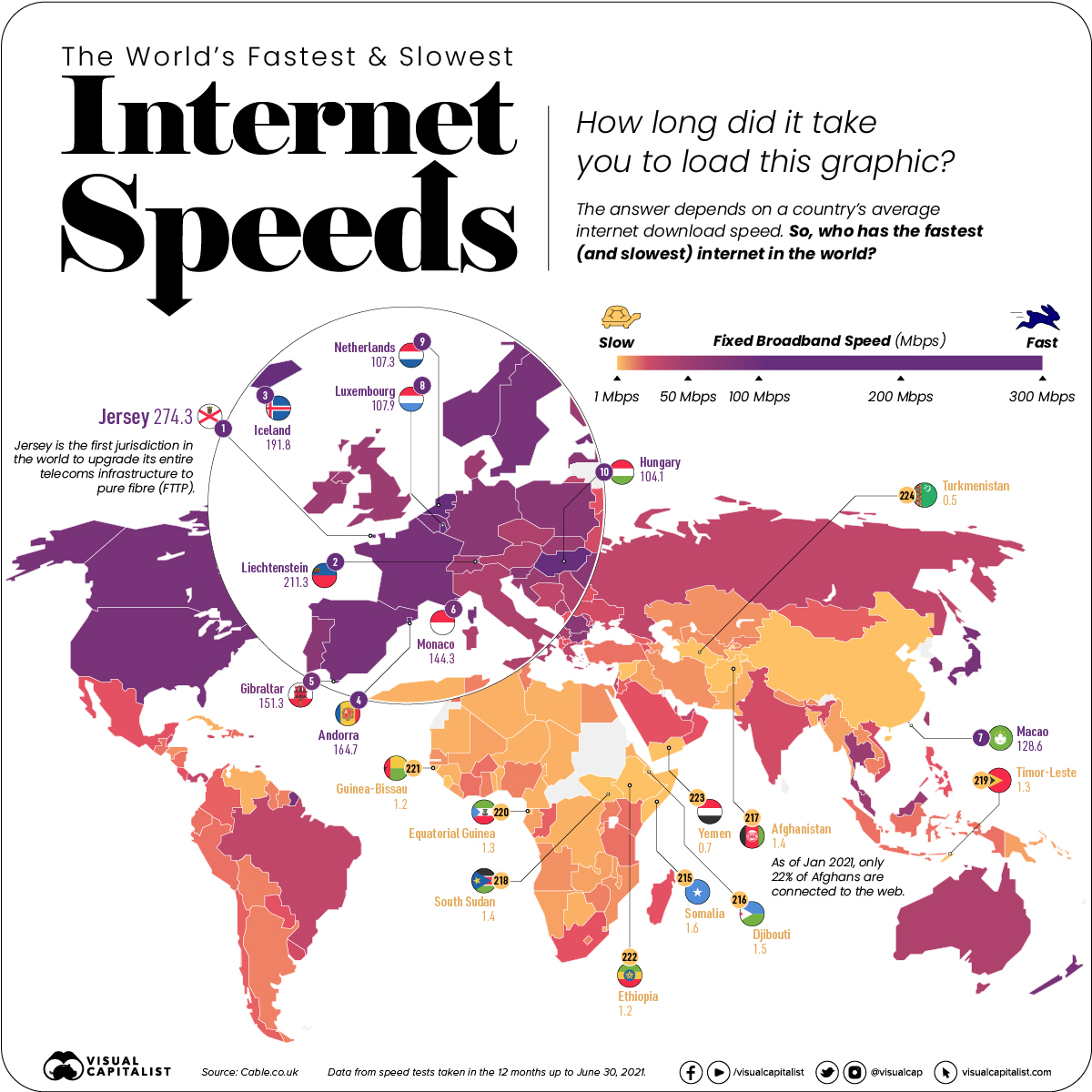
Finding the right connection in the Netherlands comes down to geography, infrastructure, and what you actually use the web for. When you look at local community discussions on platforms like Reddit, residents repeatedly emphasize that the absolute "best" provider doesn't exist in a vacuum; it depends entirely on whether you can get fiber-optic infrastructure at your specific address.
The Dutch broadband market is split primarily between high-speed fiber (glasvezel) networks and legacy cable or DSL systems. Legacy heavyweights like Ziggo and KPN face growing pressure from open fiber networks and alternative providers like Odido. If you're moving to a new home or looking to lower your monthly bill, navigating these choices requires cutting through marketing noise and looking at real network reliability.
Understanding Dutch Internet Infrastructure
Before picking a provider, you need to understand the physical lines running into your home. The Netherlands relies on a mix of technologies, and performance varies drastically between them.
- Fiber-Optic (Glasvezel): This is the gold standard. Providers like KPN and various networks utilizing Open Dutch Fiber deliver symmetrical upload and download speeds. If fiber is available at your postal code, you should choose it.
- Cable (Coax): Dominated heavily by Ziggo, cable is widely available across urban and suburban areas. While download speeds easily match fiber, upload speeds are typically lower. It's stable and reliable if fiber isn't rolled out on your street yet.
- DSL (Copper): Older copper telephone lines are being phased out in many areas. Providers still offer DSL where newer tech isn't present, but speeds are slower and heavily dependent on your distance from the local telephone exchange.
Independent comparison tools like Consumentenbond offer regular updates on consumer satisfaction, pricing shifts, and network outages across these different infrastructures.
Major Providers Compared
The Dutch market features a few dominant players alongside smaller independent resellers. Each comes with distinct advantages and trade-offs.
KPN
As the historic telecom incumbent, KPN owns a massive share of both DSL and rapidly expanding fiber networks. Their fiber connections are exceptionally stable, and they frequently rank high for customer service. They aren't the cheapest option on the block, but downtime is rare, and their router hardware handles heavy household traffic well.
Ziggo
Ziggo is the powerhouse of cable internet. Because their coaxial network covers the vast majority of Dutch households, many residents use them by default when fiber isn't installed. Their TV packages and bundled entertainment options are robust, though power users who require massive upload speeds often find cable limiting compared to symmetrical fiber lines.
Odido
Formerly T-Mobile Netherlands, Odido has invested heavily in fiber infrastructure through partnerships like Open Dutch Fiber. They often undercuts competitors on price for gigabit connections, making them popular among budget-conscious renters and tech enthusiasts looking for raw speed without paying premium incumbent prices.
Independent Alternatives
Smaller players like Freedom Internet focus heavily on privacy and open-source principles, appealing to niche technical crowds. However, they typically lease lines from major networks, meaning customer support loops can sometimes take longer if a physical line technician is required.
Factors to Evaluate Before Signing a Contract
Don't just pick the provider with the biggest flashy discount banner for month one. Consider these practical elements before locking yourself into a one- or two-year contract.
- Installation and Switch Service (Overstapservice): Most major ISPs offer a switching service that cancels your old contract automatically once the new connection goes live, preventing duplicate bills or internet blackout periods.
- Hardware and Wi-Fi Coverage: Modern homes need strong wireless routers. Check whether the provider supplies Wi-Fi mesh points or modern Wi-Fi 6/7 routers for free, or if you'll need to buy your own hardware to cover dead zones.
- Bundle Discounts: If you already have a mobile phone plan with KPN, Vodafone (which pairs with Ziggo), or Odido, combining your mobile and home internet bills often unlocks monthly discounts or extra data bundles.
Official regulatory updates on telecom consumer rights can be reviewed directly via ACM, the Authority for Consumers and Markets in the Netherlands, which protects users against unfair contract terms.
Common Mistakes to Avoid
Choosing an internet plan seems straightforward, but a few recurring pitfalls catch people off guard every year.
- Ignoring the postal code check: Never assume fiber is installed just because a neighborhood is modern. Always run the official address check on a provider's website first.
- Overpaying for gigabit speeds: A standard 100 Mbps or 200 Mbps connection is more than enough for 4K streaming and remote work for a typical household. Unless you routinely download massive game files or video editing archives, 1 Gbps is usually overkill.
- Overlooking hidden activation fees: Setup costs and modem delivery fees can add up. Factor these startup costs into your first-year budget calculation.
Frequently Asked Questions
Is fiber always faster than cable?
Fiber offers symmetrical speeds, meaning your upload speed matches your download speed. Cable typically provides very fast downloads but significantly slower uploads. For standard browsing, you won't notice a difference, but heavy cloud backups or content creation benefit massively from fiber.
Can I use my own router instead of the provider's box?
Yes. Dutch legislation allows consumers to choose their own terminal equipment and routers. While providers must supply a working connection point, you are free to plug in your own high-end router or mesh system.
What happens if I move houses within the Netherlands?
Most major providers allow you to take your subscription with you for free. However, if fiber isn't available at your new address, you may have to downgrade to cable or DSL, which can alter your monthly contract price.
How do I check which providers service my specific apartment?
You can use independent comparison engines or enter your postal code and house number directly on aggregator sites or major ISP portals to see exact infrastructure availability at your doorstep.



