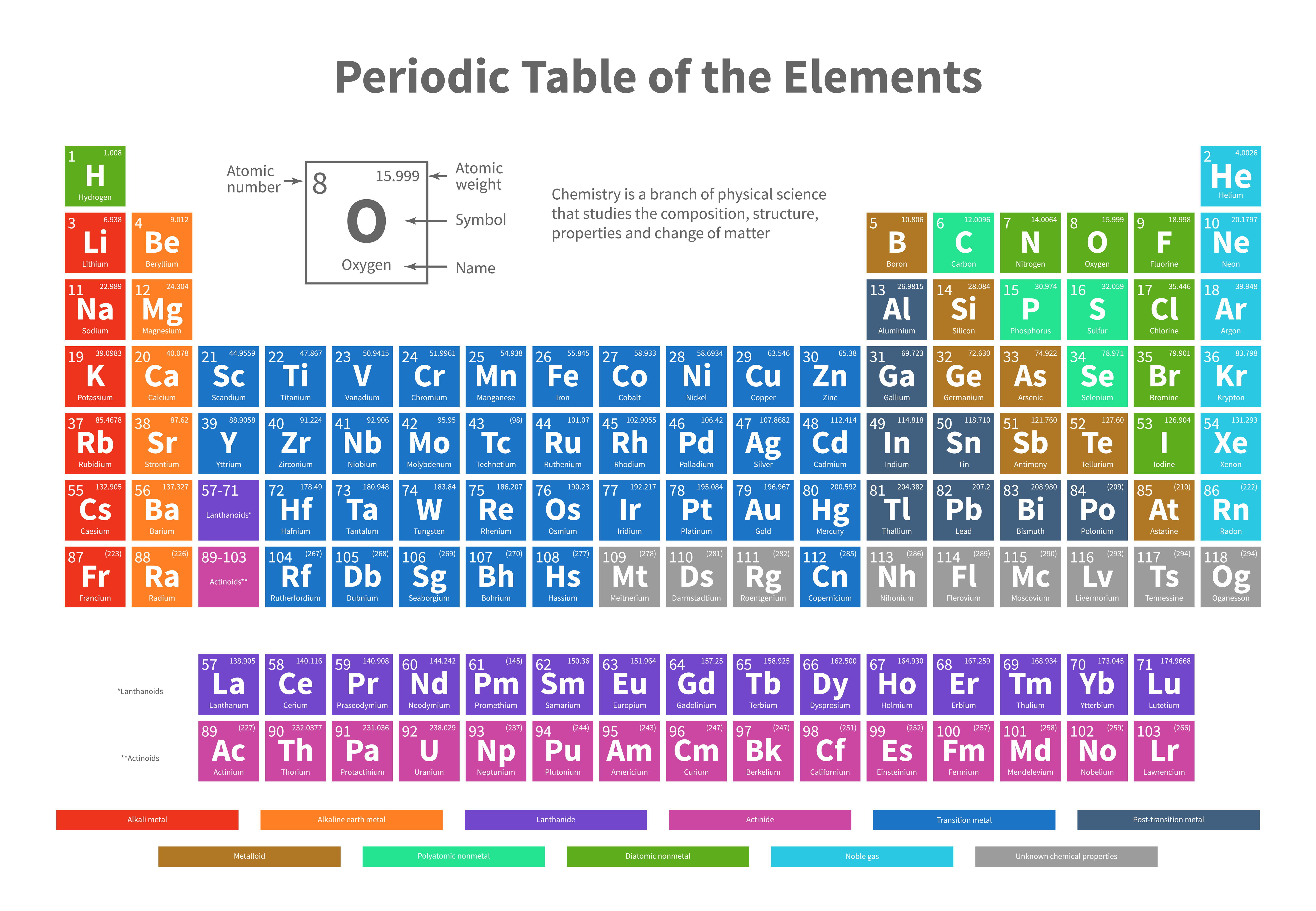
Beryllium is a rare alkaline earth metal that packs extraordinary physical traits into a remarkably lightweight atomic structure. If you look at the periodic table, it sits at atomic number 4 with the symbol Be. Aerospace engineers and high-tech manufacturers rely on it because it combines exceptional stiffness with low weight, yet handling it requires intense safety protocols due to severe toxicity risks.
Understanding this element means looking past standard textbook definitions. We need to examine how its atomic configuration dictates its real-world performance, why its extraction costs remain so high, and what safety measures protect industrial workers from chronic exposure.
Atomic Properties and Physical Characteristics
The unique behavior of beryllium stems directly from its tiny atomic radius and low mass. Atoms of Be feature just four protons and five neutrons in their most common stable isotope, giving it an atomic weight of roughly 9.012 u.
This compactness creates an unusually high modulus of elasticity. Beryllium is roughly one-third lighter than aluminum, yet it is significantly stiffer than steel. Its melting point reaches 1,287 degrees Celsius, allowing structural components to maintain integrity under severe thermal stress.
- High stiffness-to-weight ratio: Outperforms most structural alloys in rigidity per unit mass.
- X-ray transparency: The low atomic number means X-rays pass right through it, making it ideal for radiation window components.
- Thermal conductivity: Conducts heat efficiently while resisting thermal shock.
According to data from the Royal Society of Chemistry, its nuclear properties also include a high scattering cross-section for neutrons, which explains its historical value in nuclear reactor design.
Industrial Applications
Manufacturers don't use pure beryllium everywhere because it's expensive and brittle. Instead, they alloy it with copper, nickel, or aluminum to harness its best traits while improving workability.
Aerospace and Defense
Satellites, rocket guidance systems, and high-altitude aircraft frames demand materials that won't flex under extreme G-forces or thermal shifts. Beryllium mirrors and structural support beams keep payloads light and structurally sound. Space telescopes rely on its thermal stability to prevent warping in deep-space temperature extremes.
Electronics and Telecommunications
Beryllium-copper alloys show up frequently in electrical contacts, springs, and connectors. These alloys resist fatigue, conduct electricity reliably, and don't spark when struck against other metals—a critical safety feature in explosive environments like oil rigs and grain elevators.
Nuclear Technology
In nuclear reactors, beryllium reflectors bounce escaping neutrons back into the core, improving fuel efficiency. It also serves as a neutron source when combined with radioactive isotopes like polonium or radium.
Health Hazards and Toxicity Risks
While its industrial utility is vast, beryllium poses severe human health risks. Inhaling dust, fumes, or microscopic particles during machining or extraction causes chronic beryllium disease (CBD), an irreversible and sometimes fatal scarring of lung tissue.
The Occupational Safety and Health Administration enforces strict permissible exposure limits in manufacturing facilities. Workers machining the metal require specialized local exhaust ventilation, high-efficiency particulate air (HEPA) filtration, and supplied-air respirators. Skin contact can also trigger allergic sensitization and chronic skin lesions.
Extraction and Processing Challenges
Sourcing beryllium is remarkably difficult. It occurs in minerals like beryl and bertrandite, but Earth's crust contains only about 2 to 2.8 parts per million of the element.
Extracting pure metal involves chemical digestion, reduction of beryllium fluoride with magnesium, and vacuum melting. These steps generate hazardous waste streams that require careful containment. Because supply chains are narrow and environmental regulations are rigorous, raw material costs remain exceptionally high compared to standard industrial metals.
Frequently Asked Questions
Why is beryllium so expensive compared to aluminum?
Beryllium is scarce in the Earth's crust, and its extraction process involves complex chemical steps to separate it from host minerals safely. Furthermore, strict environmental and occupational health controls add significant operational overhead to every stage of production.
Can you machine beryllium parts at home or in a standard workshop?
No. Standard machining creates fine dust particles that cause chronic beryllium disease. Professional machining requires sealed, negative-pressure enclosures, wet-cutting methods, and continuous air monitoring.
What makes beryllium-copper alloys different from pure copper?
Adding a small percentage of beryllium to copper dramatically increases its tensile strength, hardness, and resistance to metal fatigue while maintaining high electrical and thermal conductivity.
Does beryllium occur naturally in gemstones?
Yes. Trace amounts of chromium and other elements mixed with beryllium-bearing minerals create precious gemstones like emeralds and aquamarines.



