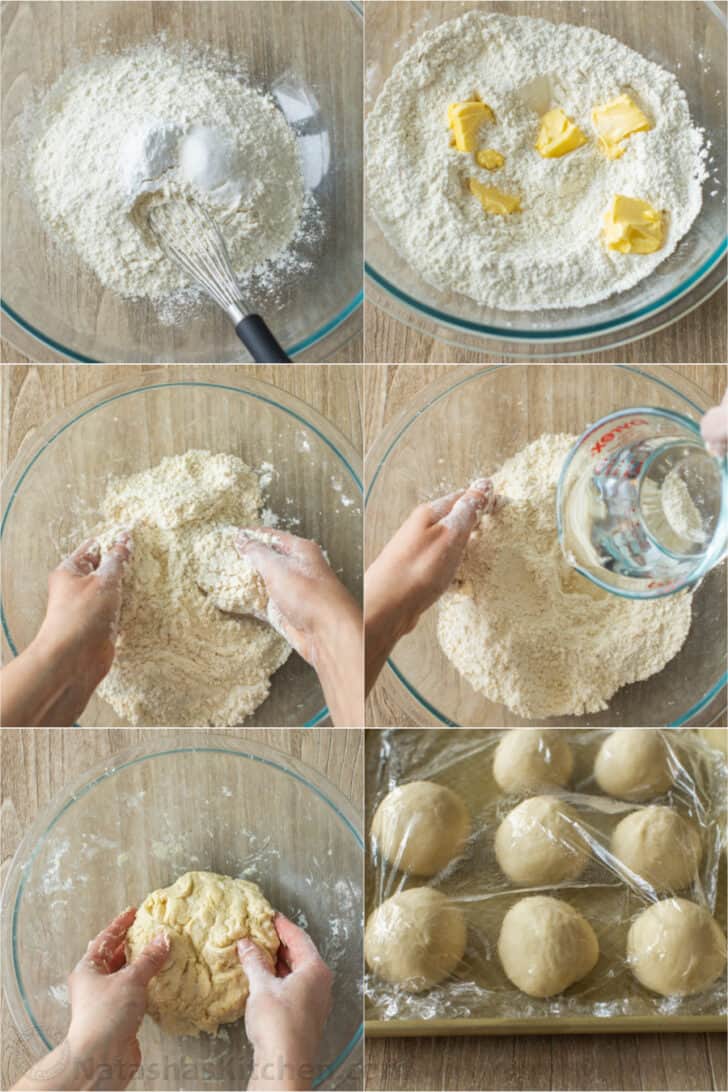
When you hear the phrase sugar and spice, your mind probably jumps straight to nursery rhymes or holiday baking. Yet the combination of sweeteners and aromatic extracts goes far beyond comfort food. People often overlook how these pantry staples influence physical wellness, culinary preservation, and everyday nutrition.
At its core, sugar provides essential energy and structural integrity in cooking, while spices introduce potent compounds that can support overall health. Let's look past the surface of standard recipes to examine what happens when you combine these ingredients thoughtfully in your kitchen.
The Functional Roles of Sugar in Cooking
Sugar isn't just about making things taste sweet. In baking and food preparation, it performs several heavy-duty physical and chemical functions that alternative ingredients struggle to replicate.
- Moisture retention: Sugar is hygroscopic, meaning it attracts and holds water. This property keeps cakes, cookies, and quick breads from drying out too quickly.
- Browning and caramelization: When exposed to heat, sugars undergo caramelization or react with proteins via the Maillard reaction. This creates the golden crusts and complex flavor notes found in roasted and baked goods.
- Fermentation fuel: In yeast-raised doughs, sugar acts as food for the yeast, producing carbon dioxide that makes bread rise.
- Preservation: High concentrations of sugar draw water away from microorganisms, acting as a natural preservative in jams, jellies, and candied fruits.
The Overlooked Health Benefits of Common Spices
While excessive sugar consumption is a well-documented risk for metabolic health, many spices bring powerful bioactive compounds to the table. When paired responsibly, spices add bold flavor profiles that let you reduce the overall amount of sweetener needed in a dish.
Cinnamon, for instance, contains powerful antioxidants and has been studied for its ability to help support healthy blood sugar regulation. Ginger features gingerol, a substance with strong anti-inflammatory and digestive properties that can soothe an upset stomach or ease muscle soreness. Turmeric relies on curcumin, a compound known for fighting cellular stress, though it absorbs best when paired with a pinch of black pepper and a healthy fat.
Modern Culinary Applications and Formulation
Food scientists and home cooks alike now use precise pairings to elevate everyday meals. Instead of relying on artificial flavorings, modern kitchens lean into the natural synergy between sweet and savory notes.
For example, adding a dash of smoked paprika or cayenne pepper to dark chocolate desserts amplifies the cocoa notes without requiring extra refined sugar. Similarly, roasting root vegetables with a light maple glaze and earthy rosemary balances the flavor profile, making nutrient-dense foods more appealing.
Common Spice & Sweet Pairings:
- Cinnamon + Apples or Pears
- Ginger + Pumpkin or Squash
- Cardamom + Citrus or Coffee
- Cayenne + Dark Chocolate
Potential Risks and Common Mistakes
It's easy to overdo a good thing. The most common mistake in modern baking and cooking is assuming that "natural" or "spiced" means calorie-free or inherently healthy in unlimited quantities.
Commercial baked goods often load up on refined sugars and heavy fats, masking poor ingredient quality with excessive sweetness. To get the best results without the health pitfalls, keep these guidelines in mind:
- Watch portion sizes: Use spices for flavor intensity rather than pouring on mounds of sugary syrups.
- Read labels carefully: Store-bought spice blends and flavored sugars frequently contain hidden additives, anti-caking agents, and high amounts of sodium or cornstarch.
- Balance your meals: Pair sweet or spiced treats with fiber, protein, and healthy fats to prevent sharp spikes in your energy levels.
Harvard T.H. Chan School of Public Health provides extensive research on how dietary choices and added sugars impact long-term metabolic health. For safe culinary handling and nutrition data, the U.S. Food and Drug Administration offers clear guidelines on food additives and nutritional labeling.
Frequently Asked Questions
Can spices really replace sugar in recipes?
Spices don't provide sweetness, but they trick your brain into perceiving more flavor depth. By boosting the aroma with cinnamon, vanilla, or nutmeg, you can often cut the recipe's sugar content by twenty to thirty percent without sacrificing taste.
How should I store whole spices versus ground spices?
Whole spices like nutmeg, cinnamon sticks, and whole peppercorns retain their essential oils and potency for years if kept in airtight containers away from heat and light. Ground spices lose their potency much faster, usually peaking within three to six months.
Why does sugar burn so easily in baking?
Sugar caramelizes at around 320 degrees Fahrenheit (160 degrees Celsius). If your oven temperature is too high, or if a recipe has a high sugar-to-flour ratio, the exterior will burn long before the inside cooks through. Lowering the heat slightly helps prevent this.
Are all types of sugar processed the same way by the body?
From a chemical standpoint, table sugar, honey, and maple syrup are all broken down into simple monosaccharides like glucose and fructose by your digestive system. While raw or unrefined options may contain trace minerals, your body processes them similarly once digested.



