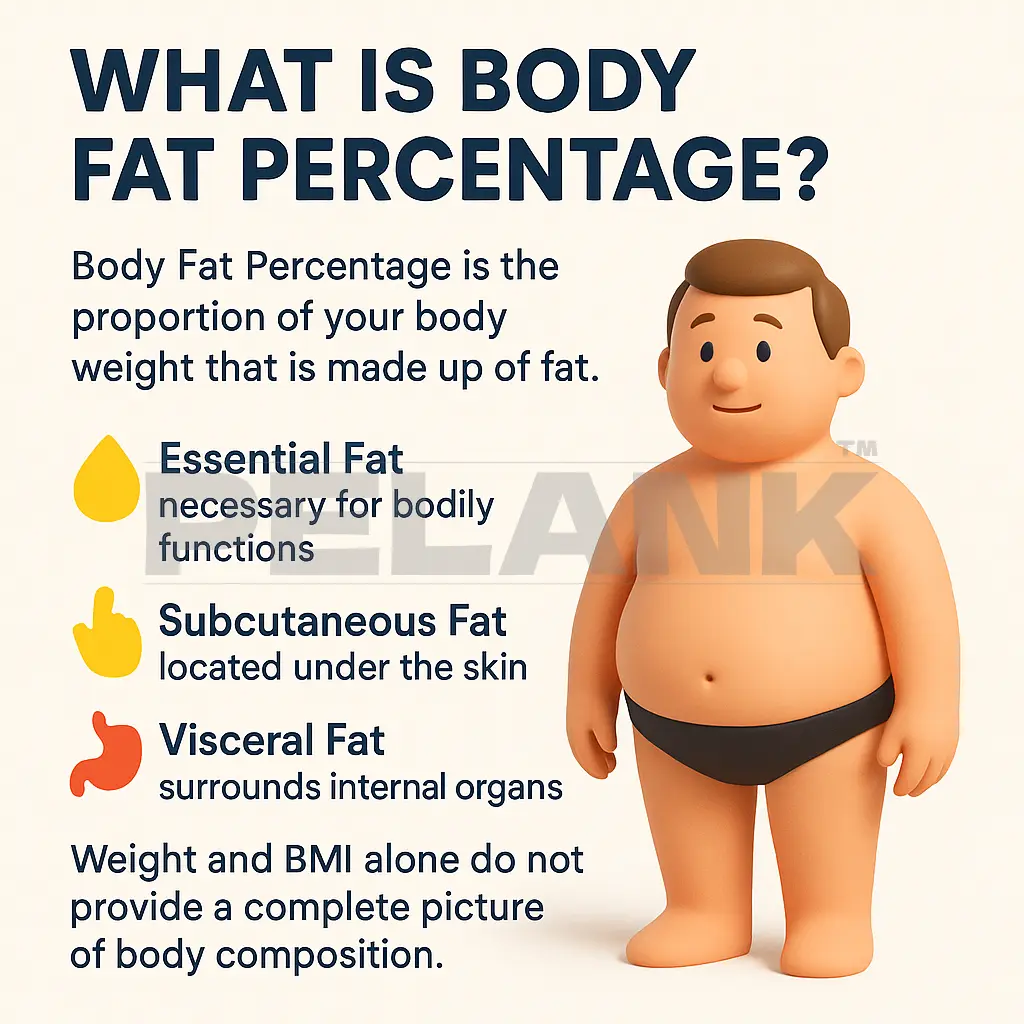
We've been trained to view body fat as an enemy. Society treats every ounce of stored adipose tissue as a failure of willpower or an imminent health crisis. Yet, biology operates with far more nuance. Far from being a metabolic liability, body fat is an active, vital endocrine organ that keeps you alive.
Understanding the benefits of body fat changes how you approach health, fitness, and nutrition. Let's look at why your body desperately needs a healthy baseline of fat tissue to function, protect your internal systems, and maintain long-term metabolic stability.
What is body fat and why do you need it?
Body fat, scientifically known as adipose tissue, isn't just an inert sack of stored calories. It's a complex, dynamic system consisting of fat cells, immune cells, and nerve fibers. You have two primary types of adipose tissue: subcutaneous fat, which sits directly under your skin, and visceral fat, which wraps around your internal organs deep inside the abdominal cavity.
Each type serves a distinct purpose. Subcutaneous fat acts as an insulation layer, regulating your core body temperature against external climate shifts. It also serves as a protective padding against physical impacts. Visceral fat, while dangerous in excess, acts as a mechanical shock absorber. It cushions your kidneys, liver, and intestines against sudden trauma, keeping them securely anchored in place during movement. Further insights on this are covered by CDC.
Beyond structural protection, adipose tissue functions as your body's primary energy reservoir. Carbohydrate stores in your liver and muscles deplete within a day of fasting or intense exertion. Stored fat provides a dense, reliable backup fuel source that keeps your brain and muscles powered when food isn't immediately available.
The endocrine power of adipose tissue
For decades, scientists thought fat tissue sat quietly until called upon for energy. We now know that fat is an active endocrine organ that secretes hundreds of signaling proteins called adipokines. These hormones regulate appetite, immune function, insulin sensitivity, and blood pressure.
Leptin is one of the most critical hormones produced by fat cells. It travels to your brain to signal satiety, letting you know when you've eaten enough. Without adequate body fat, leptin levels plummet. This drop triggers a powerful starvation response, leading to constant hunger, low energy, and a suppressed immune system.
Adiponectin is another hormone manufactured by healthy fat tissue. It enhances your muscles' sensitivity to insulin and reduces inflammation throughout your circulatory system. When you maintain a healthy percentage of body fat, these hormonal feedback loops keep your metabolism humming smoothly.
The danger of extremes: Too little vs. too much fat
Health problems arise at both ends of the fat spectrum. While chronic overfatness increases risks for cardiovascular disease and type 2 diabetes, having too little body fat is equally hazardous.
Essential fat is the minimum amount required for normal physiological functioning. For men, essential fat sits around 2 to 5 percent of total body weight, while women require 10 to 13 percent due to reproductive and hormonal needs. Falling below these thresholds causes severe biological dysfunction.
- Hormonal collapse: Women lose their menstrual cycles (amenorrhea), leading to plummeting estrogen levels and rapid bone density loss.
- Thermal dysregulation: Without adequate subcutaneous insulation, you feel chronically cold and burn extra calories just trying to maintain core temperature.
- Immune suppression: Low fat stores impair white blood cell production, leaving you vulnerable to frequent infections and slow wound healing.
- Chronic fatigue: The body lacks the energy reserves needed for daily physical and mental demands, leading to persistent exhaustion.
Common mistakes in managing body fat
People often sabotage their health by treating fat loss as an all-out war. They make predictable missteps that damage their metabolism and strip away necessary protective tissue.
Crash dieting is the most frequent error. Cutting calories to extreme lows forces the body to catabolize both fat and functional muscle tissue for survival. This wrecks your resting metabolic rate, making weight regain almost inevitable once normal eating resumes.
Another mistake is demonizing all dietary fats. Your body needs dietary lipids to synthesize hormones, absorb fat-soluble vitamins like A, D, E, and K, and maintain cell membrane integrity. Swapping healthy fats for processed, low-fat sugar substitutes often leads to insulin resistance and hormonal imbalances.
Ignoring stress and sleep patterns also ruins body fat regulation. Elevated cortisol from chronic sleep deprivation promotes visceral fat accumulation while breaking down lean muscle mass. You can't out-train a lifestyle built on high stress and poor recovery.
Frequently asked questions
How much body fat is actually healthy?
Healthy body fat ranges vary by age and sex. For adult men, a healthy range typically falls between 10 and 22 percent. For adult women, it falls between 20 and 32 percent. Athletes often run slightly lower, while older adults may carry a bit more safely.
Is all visceral fat bad?
A small amount of visceral fat is necessary to cushion and protect your internal organs. However, excess visceral fat secretes inflammatory cytokines that disrupt metabolic function and raise the risk of chronic illness.
Can you spot-reduce fat around your organs?
No. You cannot choose where your body burns fat. When you create a sustainable energy deficit through nutrition and movement, your body mobilizes fat from overall stores, influenced by genetics and hormones.
Why do some people look lean but have high visceral fat?
Often called "skinny fat," this condition occurs when someone has low muscle mass and low subcutaneous fat, but high visceral fat deposits due to a sedentary lifestyle, poor diet, and chronic stress. You can read more about metabolic health markers on the Centers for Disease Control and Prevention portal.
Does aging change how your body stores fat?
Yes. As you age, natural shifts in hormones like testosterone, estrogen, and growth hormone tend to promote fat redistribution away from the limbs and toward the abdominal cavity, making strength training and adequate protein intake essential. For deeper guidance on maintaining metabolic wellness, visit the National Institutes of Health wellness resources.



