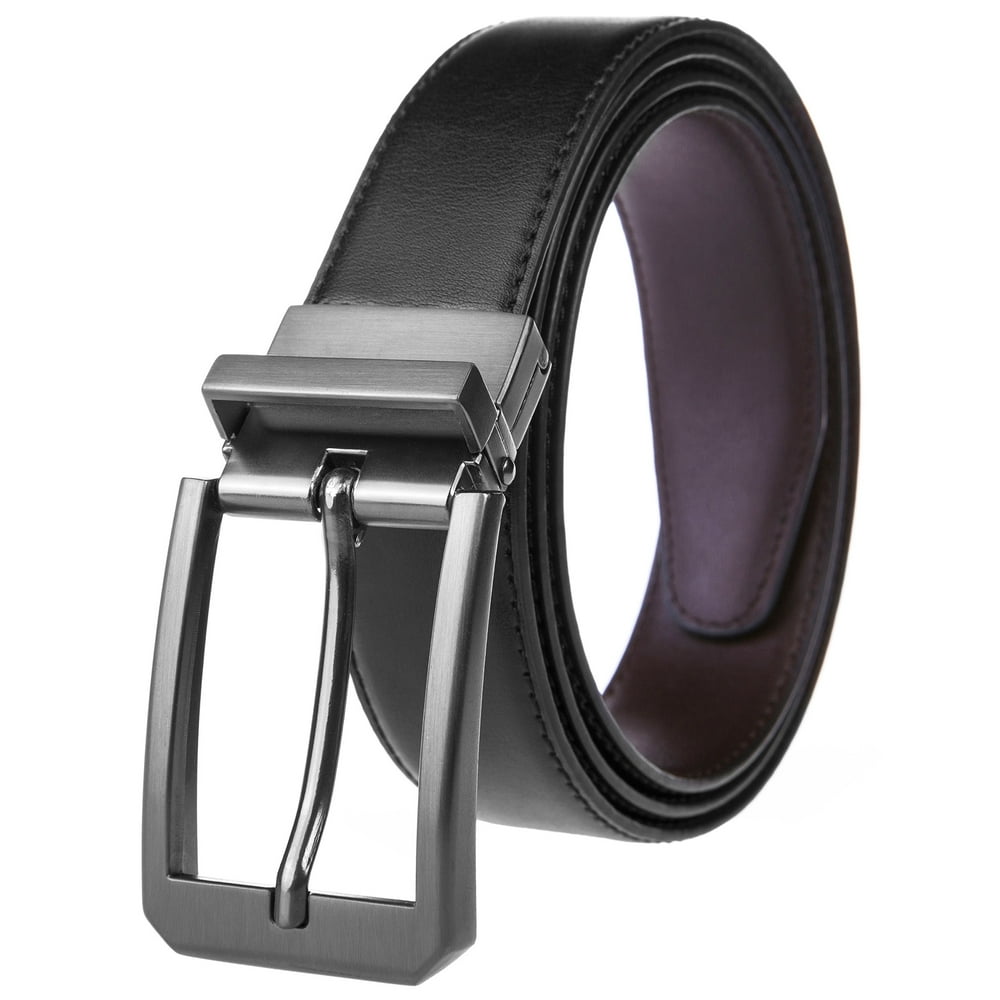
Learning how to say belt in Spanish depends entirely on the context. While the standard translation for a clothing item is cinturón, other variations like correa or faja fit mechanical parts, straps, or specific garments.
Pinpointing the exact term prevents awkward phrasing and ensures natural communication. Whether you're shopping for clothing, discussing automotive parts, or looking at geographical zones, this guide breaks down every Spanish equivalent, regional nuance, and practical application.
Core Translations for Belt in Spanish
The primary word for a waist belt used with trousers or skirts is el cinturón. It's a masculine noun, so it takes masculine articles and modifiers.
- El cinturón de cuero means the leather belt.
- Necesito un cinturón nuevo translates to "I need a new belt."
Another frequent translation is la correa, which typically refers to a strap, leash, or mechanical band. While you wouldn't usually use correa for a fashion accessory in Latin America, it's the standard term for a dog leash or an engine belt. As highlighted in latest reports by Reuters, the effects are notable.
Common Compound Terms and Specialized Uses
English uses the word belt across many industries, and Spanish splits these terms into specific vocabulary items:
- Seat belt / Safety belt: Cinturón de seguridad. Used in cars, airplanes, and buses.
- Conveyor belt: Cinta transportadora or banda transportadora. Found in factories and airport baggage claims.
- Fan belt (Automotive): Correa del ventilador or correa de distribución for timing belts.
- Black belt (Martial arts): Cinturón negro (or cinta negra in Mexico and parts of Central America).
- Tool belt: Cinturón de herramientas. Used by contractors and handymen.
Regional Variations Across the Spanish-Speaking World
Language shifts from country to country. Knowing regional preferences keeps your Spanish sounding authentic.
In Mexico and parts of the Caribbean, people occasionally use cinto as a shorter, colloquial substitute for cinturón. For example, someone might say abróchate el cinto instead of cinturón.
When referring to a sash, girdle, or weightlifting belt, la faja is the preferred term. In athletic contexts, weightlifters often specify faja lumbar or cinturón de levantamiento.
Geographical belts, such as the Bible Belt or a green belt around a city, translate best using franja (strip or band) or zona (zone) rather than a physical clothing term. Calling a green belt around a city a cinturón verde works in some regions, but zona verde is often more natural for urban planning.
Example Sentences in Context
Seeing vocabulary inside active sentences helps anchor memory. Notice how articles and prepositions interact with these terms.
- Se olvidó el cinturón en la maleta. (He forgot his belt in the suitcase.)
- Por favor, abrochen su cinturón de seguridad. (Please fasten your seat belt.)
- El mecánico cambió la correa del motor. (The mechanic changed the engine belt.)
- Ella ganó su cinturón negro de kárate. (She earned her black belt in karate.)
Common Mistakes to Avoid
Literal translation ruins natural phrasing. Don't make these frequent errors:
- Using correa for clothing: Telling someone me queda grande la correa when talking about your trousers sounds like you're wearing a dog leash around your waist. Stick to cinturón for apparel.
- Dropping grammatical gender: Cinturón is masculine (un cinturón, el cinturón). Mixing up definite articles disrupts sentence flow.
- Overcomplicating idioms: When English speakers say "hit below the belt," Spanish speakers don't translate it literally with cinturón. Instead, they use phrases like golpear bajo or metaphorical equivalents.
To check authoritative linguistic definitions, you can review the Cambridge Spanish-English Dictionary or reference usage notes on WordReference.
Frequently Asked Questions
Is cinturón masculine or feminine?
It is masculine. You should use el cinturón for the singular and los cinturones for the plural.
What is the difference between cinturón and correa?
Cinturón primarily refers to clothing items worn around the waist or specialized sports belts. Correa refers to straps, leashes, and mechanical engine belts.
Do Latin American countries use different words for seat belt?
While cinturón de seguridad is universally understood, some regions shorten it in casual speech, though official road signs and manuals across all Spanish-speaking countries use the full phrase.
How do you say "belt loop" in Spanish?
A belt loop on trousers is called la presilla or la traba depending on the country.



