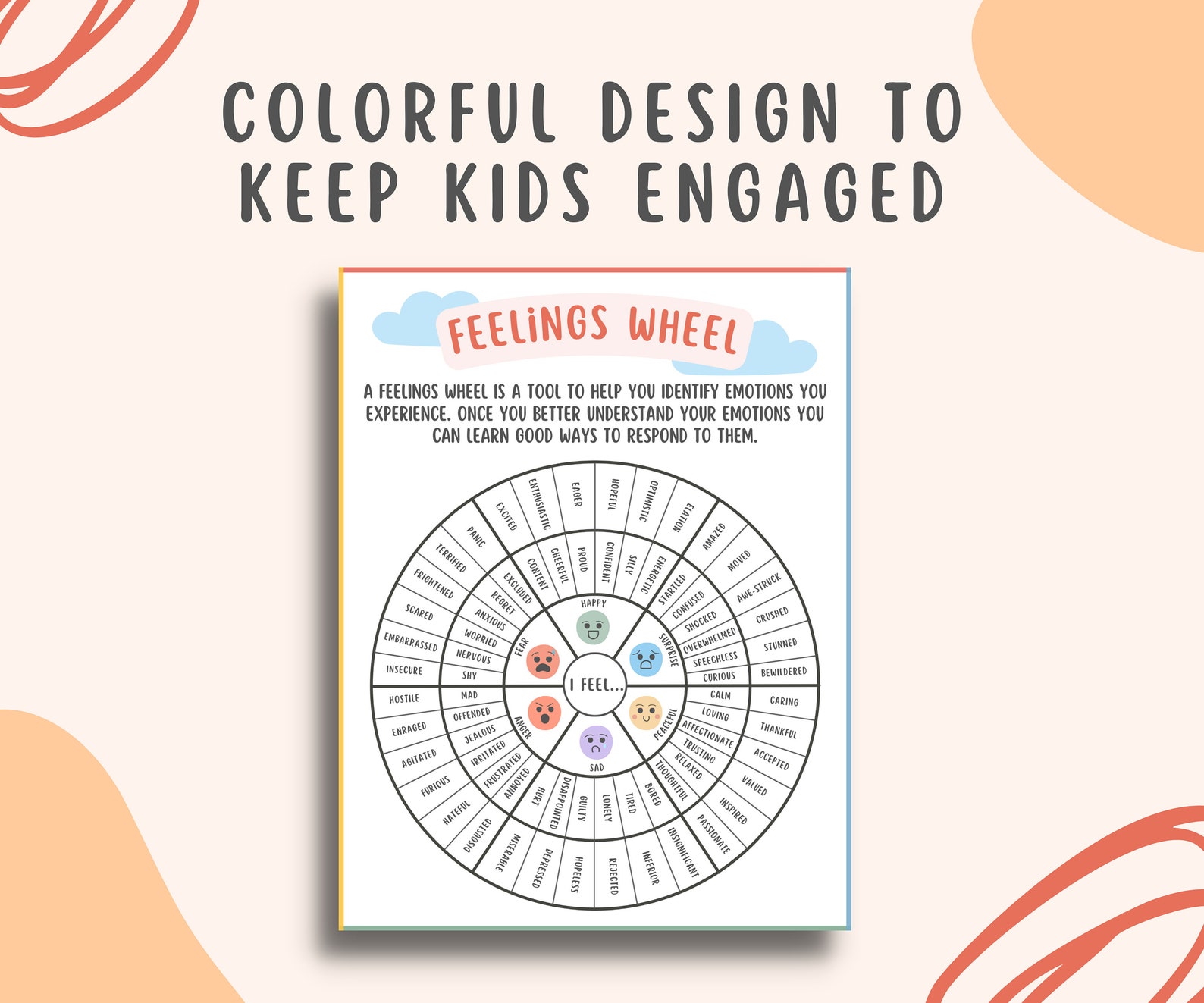
When your special day passes with silence from the people who matter most, the sting isn't just about a missed calendar notification. It’s an emotional gut-punch that leaves you questioning your value, your friendships, and why you even care. This emotional slump—often called belated birthday blues—hits hard when wishes trickle in days or weeks late, turning a moment of celebration into an exercise in awkward grace.
We often blame ourselves for feeling hurt. You might catch your internal monologue saying you're being overly sensitive or demanding too much attention. Yet, feeling alienated by forgotten milestones is a completely normal psychological response. Understanding why these delayed reactions trigger such sharp disappointment helps you stop internalizing the oversight and start managing the relationship dynamics cleanly.
Why Belated Birthday Blues Hit So Hard
Human beings rely on milestones to measure time, reinforce social bonds, and feel seen by their community. When someone in your inner circle forgets your birthday, it disrupts your fundamental need for validation and belonging.
The Illusion of Constant Connectivity
Digital platforms make it seem like everyone has immediate access to our lives. Because friends and family are constantly exposed to our updates, we assume they have an effortless grasp of our personal dates. When they miss the actual day despite seeing digital reminders everywhere, it feels less like a simple memory lapse and more like personal neglect.
Rejection Sensitivity and Self-Doubt
If you struggle with rejection sensitive dysphoria or general insecurity, a late greeting confirms your worst fears. Your brain immediately jumps to negative conclusions:
- I'm not important enough to remember.
- My friendships are one-sided.
- Nobody cares about me unless I remind them.
These automatic thoughts distort reality. Most of the time, people miss dates because of their own overwhelming stress, burnout, or poor time management—not because they value you any less. But knowing that logically doesn't stop your nervous system from reacting to perceived rejection.
The Psychology of Forgetfulness in Adulthood
Adult lives are notoriously chaotic. Between career demands, caregiving responsibilities, and endless digital noise, cognitive overload is at an all-time high. Psychologists note that working memory often fails when individuals are chronically overcommitted.
However, frequency matters. A chaotic acquaintance missing your birthday is par for the course. When a close friend or partner forgets, it points to a breakdown in attentiveness. It exposes how much emotional labor you invest in remembering their milestones versus what they invest in yours. Recognizing this imbalance is usually what triggers the lingering blues long after the belated text finally arrives.
Healthy Ways to Cope When Your Birthday is Overlooked
Sitting in silence and letting resentment fester destroys relationships from the inside out. You need concrete strategies to process the disappointment without toxic positivity or explosive confrontation.
- Acknowledge the initial sting. Don't gaslight yourself into pretending you don't care. Allow yourself to feel disappointed for a day, but set a mental timer so you don't ruminate for weeks.
- Evaluate the relationship pattern. Look at the bigger picture. Is this forgetfulness part of a chronic pattern of emotional unavailability, or is this person genuinely drowning in personal crises right now?
- Communicate your needs calmly. If it's a close partner or best friend, use "I" statements to share how you felt. For example, saying, "I felt really hurt when my birthday passed without hearing from you, as I make it a point to celebrate you," opens a constructive dialogue instead of an argument.
- Reclaim your celebration. You don't need anyone's permission to treat yourself well. Plan a belated solo outing, buy the item you've been eyeing, or spend an evening doing exactly what brings you peace.
According to the American Psychological Association, building resilience against social rejection involves strengthening internal self-worth rather than depending entirely on external validation from others.
Common Mistakes When Dealing With Late Wishes
How you respond to a belated greeting dictates whether the relationship heals or fractures further. Avoid these common missteps:
- The passive-aggressive jab: Replying with "Look who finally remembered" or "Oh, didn't think you cared" guarantees defensiveness and ruins any chance of a genuine apology.
- The silent treatment: Cutting people off without explaining why leaves them confused and prevents you from setting clear relational boundaries.
- Keeping score: Maintaining a mental ledger of every missed text or unreturned favor turns your friendships into an exhausting transaction.
Frequently Asked Questions
Is it normal to feel depressed after your birthday?
Yes, birthday blues are common. The build-up of anticipation followed by the abrupt return to normal routine often causes an emotional letdown, which is intensified if greetings are delayed or missing.
How should I reply to a very belated birthday wish?
Keep it polite, short, and neutral if you are still hurt. A simple "Thanks for thinking of me" acknowledges the message without forcing artificial enthusiasm or inviting drama.
Should I stop celebrating my birthday to avoid disappointment?
That's usually an overreaction driven by hurt. Instead of abandoning celebrations, adjust your expectations of specific individuals and invest more energy into friends who consistently show up for you. Learn more about nurturing healthy connections through resources like Mental Health America.
How do I stop expecting too much from friends?
Shift your focus from what others can do for you on a specific date to how they support you throughout the entire year. True care shows up in everyday actions, not just calendar milestones.



