Regional television news relies on a fast-paced coordination of local journalism, technical production, and tight scheduling. BBC Look East lunchtime news serves millions of viewers across the East of England, offering a concise look at local headlines before the afternoon routine resumes. Producing a daily regional bulletin requires a specialized workflow that balances breaking stories with pre-recorded features, operating under strict time constraints.
Behind every ten-minute lunchtime broadcast lies a carefully timed choreography involving producers, camera operators, studio anchors, and editors. Understanding how these regional broadcasts come together reveals the mechanics of modern television newsrooms, where local impact meets live broadcast pressure.
The Anatomy of a Regional Lunchtime Bulletin
Unlike the flagship evening programme, which spans thirty minutes and allows for in-depth investigations, the lunchtime slot lasts roughly ten minutes. Every second counts. The structure of the bulletin is mapped out hours in advance, though a sudden breaking news event can tear up the running order minutes before the red light on the studio camera turns on.
The core components of the bulletin include:
- The Headline Intro: A rapid-fire summary of the top three or four stories of the day, delivered directly to camera by the anchor.
- The Main Package: A pre-edited video report, typically lasting two minutes, covering a major regional court case, council decision, or community initiative.
- The Live Two-Way: A reporter stationed on location or a specialist correspondent discussing a developing story via a live video link.
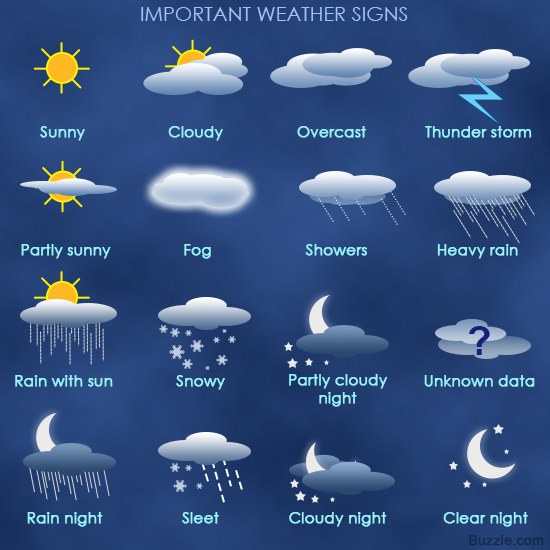
- The Weather Segment: A dedicated regional forecast tracking micro-climates across counties like Norfolk, Suffolk, Essex, and Cambridgeshire.
Inside the Norwich Newsroom
The production hub for BBC Look East is based in Norwich, operating out of modern facilities that coordinate inputs from various regional outposts. Journalists arrive early in the morning to comb through local police logs, council press releases, and viewer tips.
The morning conference sets the news agenda. Producers pitch stories based on visual strength, local relevance, and timely updates. For a lunchtime bulletin, stories must be accessible and concise. If a major road closure affects thousands of commuters across the region, it takes priority over a localized council debate.
Once stories are greenlit, reporters draft scripts while video editors stitch together footage shot earlier that morning or the previous evening. Audio levels are balanced, graphics are generated, and the gallery tests all remote feeds to ensure zero latency during live interviews.
Technical Execution and Gallery Coordination
The production gallery acts as the nerve center of the broadcast. Seated in a darkened room facing a wall of multi-view monitors, the director calls the shots while the vision mixer cuts between cameras, graphics, and pre-recorded clips.
The technical crew handles several moving parts simultaneously:
- The Floor Manager: Directs talent in the studio, giving physical cue times and managing floor safety.
- The Sound Operator: Manages microphone levels for anchors and remote guests, eliminating background hums and feedback loops.
- The Autocue Operator: Scrolls the script in sync with the presenter's natural speaking pace, adjusting instantly if the anchor improvises.
- The Vision Mixer: Executes cuts and dissolves on the director's command, ensuring seamless transitions between visual elements.
Challenges Unique to Regional Broadcasting
Producing regional news comes with distinct hurdles that national networks rarely face. Staff numbers are leaner, meaning reporters frequently double as self-shooting videographers, capturing their own interviews and B-roll footage on portable kits before rushing back to file.
Covering a wide geographical area also presents logistical roadblocks. An incident happening in west Northamptonshire requires reliable remote contribution setups or localized freelance camera operators to transmit footage back to the main Norwich server before the lunchtime deadline. When technical gremlins strike a remote satellite truck or a digital fiber link, the production team has to pivot instantly to backup scripts or studio-led interviews.
You can read more about the history of public service broadcasting standards on the BBC official website. For broader context on how regional media shapes community engagement, check out Ofcom.
Frequently Asked Questions
How long is the BBC Look East lunchtime bulletin?
The lunchtime bulletin typically runs for ten minutes, acting as a concise midday update before the comprehensive evening programme airs at 6:30 pm.
Where is BBC Look East broadcast from?
The programme is produced and broadcast from the BBC's regional headquarters in Norwich, drawing on reports from journalists stationed across the East of England.
Can viewers submit stories to the newsroom?
Yes, local residents frequently send news tips, photographs, and video clips to the production team, provided the content meets editorial guidelines and carries genuine regional interest.
How do reporters file stories so quickly for lunchtime?
Journalists use mobile editing units and high-speed file transfer protocols to send footage directly from the field to the central gallery, bypassing the need to return to the studio for minor packages.


