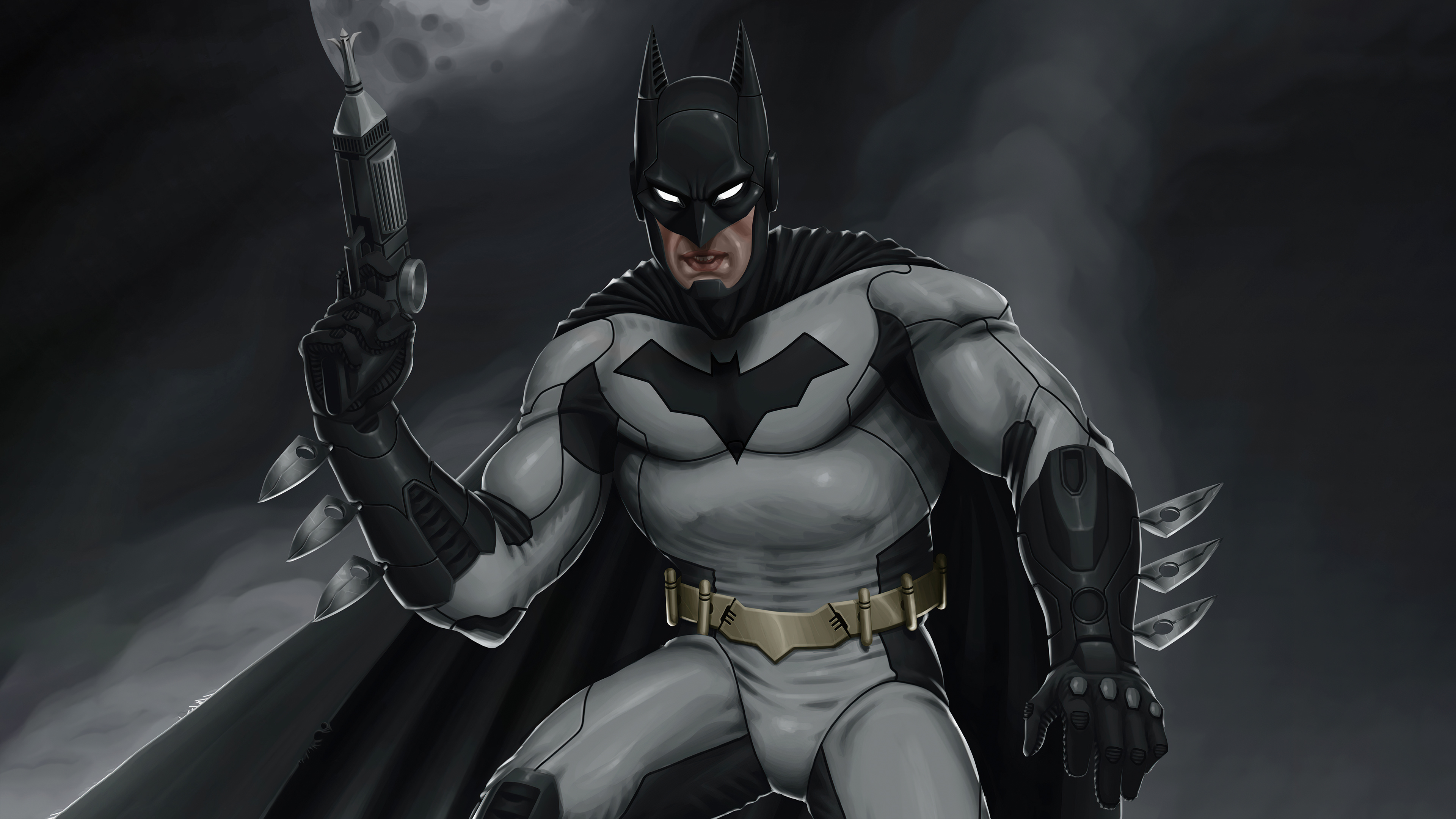
When two comic book icons share a screen for the first time in live-action history, expectations reach impossible heights. Zack Snyder’s 2016 blockbuster, Batman v Superman: Dawn of Justice, didn't just stage a fistfight between a billionaire vigilante and an alien god; it built an elaborate philosophical clash over power, accountability, and fear. Instead of treating the conflict as a simple misunderstanding, the film weaponizes contrasting worldviews against characters who have run out of grace.
The Core Philosophical Divide
At the heart of the narrative lies a fundamental disagreement about the cost of power. Clark Kent represents an idealistic standard where absolute power should be met with absolute restraint. He operates under the belief that goodness is a choice requiring patience, even when the world responds with suspicion. Bruce Wayne operates under a much darker calculus born from two decades of watching Gotham bleed. For Batman, unchecked power isn't a blessing; it's an existential threat that must be neutralized before humanity becomes collateral damage.
This ideological rift transforms a physical confrontation into a tragedy of perception. Lex Luthor exploits these exact vulnerabilities, manipulating their mutual distrust into a zero-sum game. Batman views Superman's godlike status as an unearned supremacy that mocks mortal fragility. Superman views Batman's brutal brand of frontier justice as unchecked fascism operating in the shadows of Gotham.
- Superman's Motivation: Protecting a world that rejects him while struggling to find his own place as an immigrant and a symbol.
- Batman's Motivation: Preventing another Metropolis event by eliminating an alien variable he deems too dangerous to survive.
- Lex Luthor's Manipulation: Orchestrating public hearings, intercepted letters, and psychological terror to force a fatal confrontation.
Visual Storytelling and Cinematography
Larry Fong's cinematography actively reinforces this ideological chasm through deliberate framing and lighting choices. Superman is frequently shot from low angles against open skies, invoking classic iconography and messianic weight. Batman is enveloped in high-contrast shadows, confined to tight, brutalist spaces that mirror his claustrophobic worldview and paranoia. More information into this topic are explored by Associated Press.
When these two visual styles collide in the rain-drenched ruins of Gotham, the color grading shifts from warm, hopeful tones to cold, desaturated blues. Every punch thrown isn't just about kinetic impact, but about two distinct cinematic traditions crashing into one another. One represents classical myth, while the other embodies modern psychological grit.
Deconstructing the Conflict and Resolution
The fight itself remains controversial because it abandons traditional superhero team-up tropes in favor of exhaustion and desperation. Batman uses engineered kryptonite gas and tactical armor to level the playing field, reducing an immortal alien to a bleeding mortal. Yet, the resolution doesn't come from superior combat strategy or a tactical stalemate.
The turning point hinges entirely on shared vulnerability through the famous "Martha" revelation. Critics often reduce this scene to a meme, but narratively, it serves a precise function. Hearing his own mother’s dying name shatters Bruce’s dehumanizing abstraction of Superman. In that split second, the alien invader transforms back into a son with a mother, a home, and human ties. It forces Batman to confront his own descent into the very monsters he spent a lifetime fighting.
The Legacy of the Clash
Years after its initial release, the film continues to polarize audiences because it refuses to offer easy comfort. It asks uncomfortable questions about how society reacts to power it cannot control or replicate. While subsequent cinematic universes pivoted toward lighter, more conventional crowd-pleasers, this grim collision left a permanent mark on how comic book adaptations handle moral ambiguity.
You can read more about the broader production history and box office context on Box Office Mojo or explore character origins directly through DC Comics. For deeper academic film studies, resources like BFI offer extensive breakdowns of modern blockbuster myth-making.
Frequently Asked Questions
Why does Batman decide to kill Superman in the first place?
Bruce Wayne's perspective is warped by twenty years of fighting crime in Gotham and witnessing the total destruction of Metropolis. He calculates that even if there's a one percent chance Superman could turn hostile, society must treat it as an absolute certainty.
How does Lex Luthor manipulate the conflict?
Luthor orchestrates a multi-layered conspiracy by framing Superman for international incidents, intercepting congressional testimonies, kidnapping Martha Kent, and fueling Bruce Wayne's deep-seated paranoia with targeted notes and media manipulation.
Is the theatrical cut or the ultimate edition better for understanding the plot?
The ultimate edition adds roughly thirty minutes of crucial investigative footage involving Lois Lane. This extended cut repairs several narrative leaps in the theatrical version, making the political conspiracy and Luthor's framing much clearer.
Why didn't Superman just talk to Batman immediately?
Clark attempts to reason with Batman during their initial street encounter, but Batman immediately launches an ambush using sonic weaponry and traps. Furthermore, Lex Luthor's blackmail regarding Lois Lane's safety leaves Clark with zero room for a peaceful negotiation.



