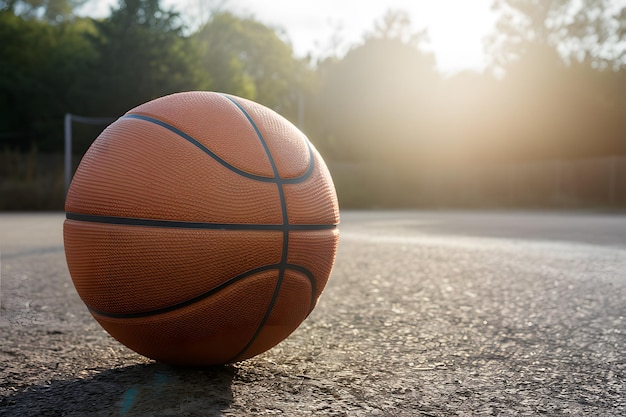
Staying sharp as a basketball player while traveling means balancing airline luggage rules with proactive skill maintenance. When you're stepping off a long-haul flight and heading straight to an open gym or outdoor court, you shouldn't feel sluggish or rusty. Transporting your gear properly and keeping your hand-eye coordination dialed in during transit prevents your game from dropping off during trips.
Under Transportation Security Administration regulations, you're allowed to bring an inflated basketball in both carry-on and checked luggage. However, cabin air pressure changes and strict airline size restrictions mean you need a solid packing strategy. Let's break down how to handle your gear, manage physical fatigue in the air, and run effective basketball drills anywhere your travels take you.
Packing and Transporting Your Basketball
Bringing a basketball on a commercial flight is straightforward once you understand airline policies. The main challenge isn't TSA approval—it's luggage dimensions and cabin space constraints.
Carry-On vs Checked Luggage
If you choose a carry-on bag, your basketball must fit inside or be securely attached within your airline's personal item or carry-on size limits (typically 22 x 14 x 9 inches). Many players prefer carrying it because it eliminates the risk of lost luggage.
If you pack it in checked bags, remember that cargo holds experience temperature drops and pressure fluctuations. While standard leather and composite balls withstand altitude changes well, an already over-inflated or damaged ball can suffer seam stress. Consider bringing a compact travel pump and needle so you can deflate the ball slightly before takeoff and reinflate it upon arrival.
Protecting Your Gear
- Use a dedicated mesh sports backpack or secure drawstring bag to keep the ball from rolling around overhead bins.
- Keep your pump, extra needles, and athletic tape in an exterior pocket for quick security screening.
- Inspect the ball's grip and bladder before your trip so you don't discover a slow leak after checking into your hotel.
In-Flight Physical Maintenance
Sitting cramped in an airplane seat for hours wreaks havoc on your posterior chain, hip flexors, and lower back. If you want to move fluidly on the court right after landing, you have to combat travel stiffness while airborne.
Mobility and Circulation Drills
You don't need aisle space to keep your blood flowing. Perform seated ankle pumps, knee extensions, and torso twists every hour to prevent stiffness. Stand up and walk the aisle whenever the fasten-seat-belt sign is off. Loosening your calves and hamstrings in-flight ensures your first step off the plane doesn't feel rigid.
Hydration and Nutrition Strategy
Cabin air is notoriously dry, causing rapid dehydration that thickens your blood and slows cognitive reaction times. Drink roughly eight ounces of water for every hour in the air. Skip sugary sodas and heavy salty snacks that cause bloating. Pack clean proteins and complex carbs like almonds, turkey jerky, or fruit bars to keep your energy stable without inducing lethargy.
Off-Court Skill Work While Traveling
You don't always have access to a hardwood floor or a regulation hoop when you're on the road. Fortunately, high-level skill maintenance requires nothing more than a small hotel room or a quiet hallway.
Stationary Ball-Handling
Ball control relies entirely on touch and muscle memory. You can maintain your handle anywhere by practicing stationary pound dribbles, figure-eights, and V-dribbles on hotel carpets. Because carpet absorbs bounce, it forces your forearms and fingertips to work twice as hard to control the ball. This builds incredible hand strength and quickness.
Shadow Drills and Footwork
Footwork dictates everything from your jump stop to your defensive slide. Use open space in your room to practice drop steps, quick pivots, jab steps, and defensive slides at low levels. Visualizing game scenarios while executing precise footwork keeps your neural pathways active even without a basketball in hand.
Frequently Asked Questions
Do I have to deflate my basketball before flying?
No, it isn't mandatory. The TSA permits fully inflated balls in both carry-on and checked baggage. However, letting out a small amount of air can make packing easier and protect older balls from pressure seams.
How do I practice shooting mechanics without a hoop?
You can practice form shooting while lying flat on your hotel bed. Shoot the ball straight up into the air, focusing purely on a clean backspin and a soft wrist flick on the follow-through, then catch it with soft hands.
What is the best way to deal with jet lag on a basketball trip?
Force your body to adjust to the local schedule immediately upon arrival. Avoid taking long naps during the day, get outside for natural sunlight exposure, and hydrate aggressively to help reset your internal circadian rhythm.
Can I bring a pump through airport security?
Yes, hand pumps and inflation needles are permitted in both carry-on and checked luggage. If you carry a metal needle in your hand luggage, place it in a clear plastic bag to speed up TSA inspection.



