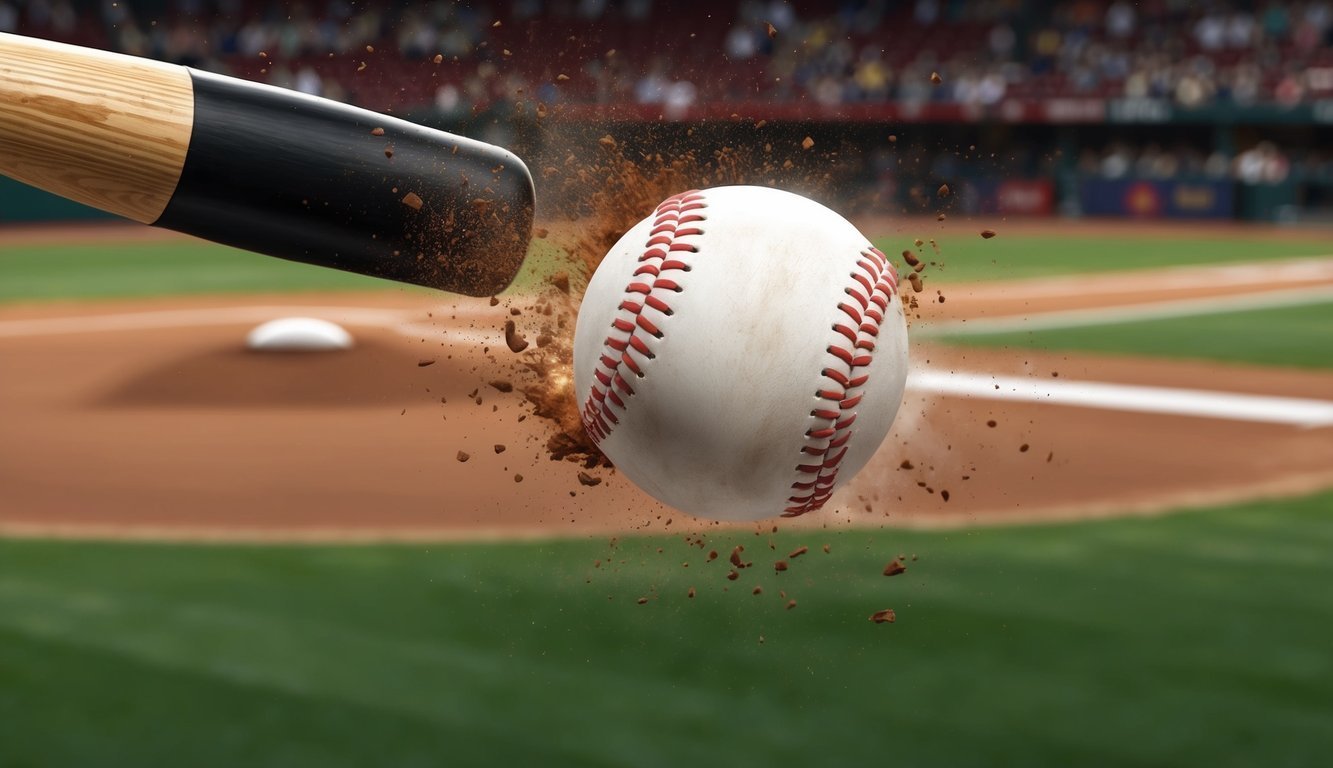
A viral digital crossover has taken online gaming communities by storm: the unexpected collision between traditional baseball mechanics and physics-based fruit stacking. If you've scrolled through TikTok, YouTube Shorts, or Reddit lately, you've likely seen clips of oversized strawberries, bouncing bananas, and rolling watermelons executing double plays or launching home runs. This unexpected mashup isn't just a meme. It's an emerging puzzle-sports genre with dedicated competitive metagames, complex collision physics, and tactical depth that rewards precise planning.
Instead of treating the trend as a passing joke, competitive players are analyzing frame data, drop placements, and combo multipliers to climb global leaderboards. If you want to move past casual matching and start dominating matches, you need to understand the physics engine, roster selection rules, and scoring optimization strategies driving this phenomenon.
Anatomy of the Phenomenon: Why Baseball Met Physics and Produce
The core appeal of this viral genre stems from a simple design philosophy: taking the strict, rule-bound framework of baseball and dropping it into an unpredictable, gravity-driven physics sandbox. Traditional sports games rely on predictable animations and established team rosters. This genre replaces athletes with spherical, oblong, and asymmetrical fruit assets that react dynamically to every pitch, wall bounce, and bat impact.
When a fruit hits a bat, its weight distribution dictates its trajectory. A dense, compact blueberry behaves like a fast line-drive projectile, cutting through the infield with minimal drag. Conversely, an irregular fig or a bulky watermelon introduces erratic bounce vectors that can trick outfielders or trigger massive multi-point chain reactions. For another perspective on this event, check out the recent coverage from Reuters.
Players aren't just reacting to a pitcher; they're managing space, momentum, and item drops in real-time. This blend of arcade chaos and spatial awareness explains why clips go viral on short-form video platforms. Every play looks chaotic, but high-ranking players achieve those jaw-dropping home run chains through rigorous mechanical consistency.
Core Mechanics and Physics Engine Breakdown
Mastering the genre requires a firm grasp of how the underlying physics engine calculates impact, friction, and velocity. The software uses modified 2D and 3D rigid-body physics where momentum transfer depends entirely on surface area contact and incoming speed.
- Mass vs. Velocity Ratios: Lighter fruits accelerate quickly off the bat but lose momentum rapidly due to air resistance. Heavier produce items require more timing window precision to square up, but they retain energy through multiple wall collisions.
- Surface Friction Coefficients: Field boundaries feature varying friction values. Turf zones allow sliding mechanics, while wall barriers cause elastic bounces that can redirect a pop-fly back into fair territory.
- Spin and Curve Mechanics: Swiping or pulling back on the batting control stick imparts angular momentum. A spinning fruit curves mid-air, allowing hitters to bend line drives around stationary defensive obstacles.
Understanding these variables lets you predict where a batted ball will land before it clears the infield. Stop treating every swing as a gamble and start treating each pitch as an incoming vector that you can redirect with precise timing.
Roster Construction and Matchup Strategies
Success in competitive matches begins long before the first pitch is thrown. Building an effective lineup requires balancing offensive power with defensive agility. You can't stack your roster entirely with heavy home-run hitters; the resulting defensive liabilities will cost you runs in the late innings.
Balancing Power and Contact Ratios
Your cleanup hitters should feature high-mass items like melons or large citrus fruits. They possess the raw force needed to clear outfield boundaries even on mistimed swings. However, you must pair them with high-contact table-setters—such as grapes or cherries—that feature tight collision boxes and rapid acceleration out of the batter's box.
Exploiting Field Conditions
Different arenas feature distinct weather modifiers that alter fruit behavior. High-humidity stages increase moisture friction, dampening the bounce of dry fruits while stabilizing erratic rolls. Before locking in your lineup, check the environmental modifiers on Polygon's gaming coverage for tier updates on which fruit builds perform best under specific weather conditions.
Advanced Tactics for Outscoring the Competition
Once you master basic hits, you need to incorporate advanced scoring techniques to break into upper-tier rankings. Casual players rely on standard singles and doubles; competitive strategists farm combo multipliers.
Chain Reaction Batting
When multiple fruit items sit on base, a well-placed extra-base hit triggers a cascading physics reaction. If a runner fruit collides with a fielder fruit during a rundown, it can cause fumbles that extend play windows. Aim your hits toward the gaps between fielders where stationary obstacles can cause chain collisions, multiplying your base point totals.
Pitch Prediction and Timing Windows
Don't watch the pitcher's windup; track the release point. The travel time of different pitch types varies based on the pitcher's character model. Keep your eye on the seam or skin texture of the incoming object. Recognizing a deceptive changeup early allows you to adjust your swing stance from power to contact mode, ensuring solid wood-on-ball contact.
Common Mistakes to Avoid
Even experienced gamers fall into predictable traps that tank their win rates. Watch out for these frequent missteps during your matches:
- Over-Relying on Power Swings: Trying to smash a home run on every single pitch leads to routine fly-outs and high strikeout rates. Focus on getting on base first.
- Ignoring Defensive Positioning: Failing to shift your outfield fruit units based on the opponent's batter tendencies leaves massive holes in the gaps.
- Neglecting Stamina Management: Repeatedly using special abilities drains your character's stamina meter, resulting in sluggish movement during critical late-game defensive stands.
For official patch notes, balance changes, and developer insights regarding new fruit drops, check the Steam official updates page to stay ahead of the competitive curve.
Frequently Asked Questions
What inspired the baseball and fruit mashup trend?
The trend emerged from indie developers experimenting with rigid-body physics engines, combining the universally understood rules of baseball with whimsical, satisfying object-merging and bouncing mechanics popularized by casual puzzle titles.
Are certain fruit characters overpowered in competitive play?
Developers frequently release balance patches to adjust mass, speed, and bounce metrics. Check community tier lists on platforms like Reddit's gaming community to see which characters dominate the current meta.
Can you play this game offline, or is it strictly multiplayer?
Most titles in this genre offer robust single-player campaign modes alongside online matchmaking, allowing you to practice physics mechanics against AI before entering ranked ladders.
How do combo multipliers affect your final score?
Executing consecutive successful hits without recording an out builds a multiplier meter. Higher multipliers significantly boost points earned from extra-base hits and home runs, making streak management vital for high scores.



