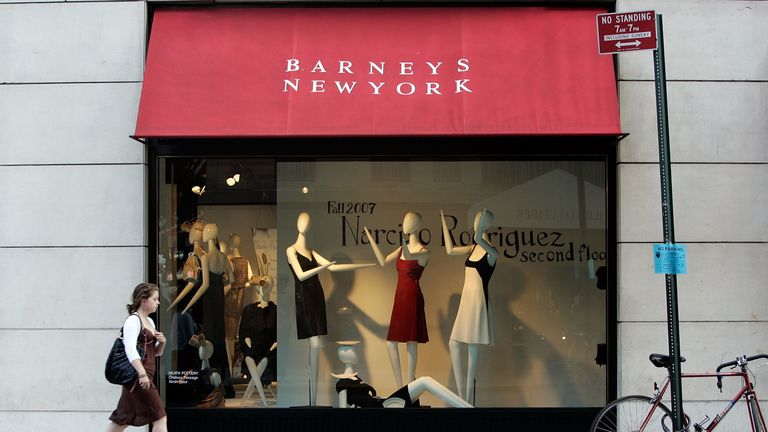
Barneys New York transformed American luxury retail from a discount menswear store into a high-fashion cultural institution. Founded in 1923 by Barney Pressman on Seventh Avenue and 17th Street, the store started as a modest off-price suit discounter before evolving under the visionary leadership of his son, Fred Pressman, into a premier destination for avant-garde European designers and American sportswear.
Understanding the rise and fall of this iconic retailer reveals how luxury merchandising, buyer curation, and experiential shopping shifted over nearly a century. While the flagship store on Madison Avenue and the legendary Chelsea corporate headquarters closed following bankruptcy filings, the brand's influence on modern retail remains permanent. Here is how Barneys shaped modern fashion and why its legacy still inspires designers worldwide.
The Humble Origins on Seventh Avenue
Barney Pressman didn't set out to build an empire of luxury. In 1923, he pawned his wife's engagement ring for five hundred dollars to pay the first month's rent on a small store front in Manhattan. He stocked the racks with discounted men's suits, operating under the simple premise of offering high volume at low margins.
By the 1940s and 1950s, the store grew into the largest men's clothing store in New York City. Barney's marketing strategy relied on catchy radio jingles and direct, unpretentious advertising that resonated with working-class and middle-class shoppers looking for quality tailoring without Department Store markups.
The Shift Under Fred Pressman
The true architectural shift happened when Barney's son, Fred Pressman, took over operations in the 1960s and 1970s. Fred possessed an instinctive eye for international design and noticed that American men were ready to embrace European tailoring and slimmer silhouettes.
Fred traveled to Italy and France, discovering independent artisans and tailoring houses that had never before exported to the United States. He introduced brands like Armani, Zegna, and Azzedine Alaïa to American consumers, transforming Barneys from a discount clothing outlet into an arbiter of sophisticated taste.
Redefining Luxury Retail and Window Displays
Barneys didn't just sell clothes; it sold an entire aesthetic universe. The store became famous for its theatrical holiday window displays, conceptualized by master visual merchandisers who turned storefronts into surrealist art installations.
These windows drew crowds from across the globe, cementing the brand's reputation as a cultural lightning rod. Inside, the store layout rejected traditional, cramped department store shelving in favor of wide, minimalist floors, dramatic lighting, and dedicated designer boutiques that gave each fashion house room to breathe.
The Expansion Into Womenswear
In the 1980s and 1990s, Barneys expanded its footprint by launching a full womenswear division, partnering with Japanese department store group Isetan, and opening massive flagship stores across major American cities, including Beverly Hills, Chicago, and San Francisco.
The move into women's luxury brought avant-garde designers like Comme des Garçons, Yohji Yamamoto, and Martin Margiela into the mainstream American consciousness. Shoppers didn't just browse; they hunted for pieces that felt rare, exclusive, and intellectually challenging.
Financial Pressures and Bankruptcy
Despite its cultural dominance, Barneys struggled with the financial realities of late-stage retail. Rapid expansion, mounting debt loads, and soaring Manhattan real estate rents squeezed profit margins.
The 2008 financial crisis hit luxury spending hard, and subsequent private equity acquisitions loaded the company with unsustainable debt service obligations. Competitors shifted online rapidly, while Barneys struggled to balance its high-cost physical footprint with a digital strategy that captured the modern consumer.
The End of an Era
In 2019, Barneys New York filed for Chapter 11 bankruptcy protection. Efforts to restructure failed, and Authentic Brands Group purchased the intellectual property, closing the remaining brick-and-mortar stores.
While the physical doors shuttered, the brand lives on through licensing partnerships, such as collaborations with Saks Fifth Avenue. You can read more about retail restructuring trends on The Business of Fashion.
The Enduring Influence on Modern Retail
The DNA of Barneys survives in nearly every high-end concept store operating today. Long before multi-brand lifestyle boutiques became standard, Barneys pioneered the concept of cross-merchandising—selling rare books, bespoke home goods, niche perfumes, and avant-grade clothing under one roof.
- The Curation Model: Barneys proved that buyers could dictate taste rather than simply following mass-market trends.
- Experiential Shopping: The store treated retail as a form of cultural entertainment, setting the stage for modern experiential flagships.
- Championing New Talent: Giving early platform space to unknown designers created career trajectories for an entire generation of fashion icons.
For a deeper dive into the historical archives of American retail development, explore resources provided by the Smithsonian Institution.
Frequently Asked Questions
When was Barneys New York founded?
Barneys New York was founded in 1923 by Barney Pressman on Seventh Avenue in Manhattan as a discount menswear store.
Why did Barneys New York close?
The company struggled with high real estate rents, heavy debt loads from private equity buyouts, and a slow transition to e-commerce, ultimately leading to bankruptcy and store closures in 2019.
What brands did Barneys introduce to the US?
Barneys played a pivotal role in introducing major international designers to American shoppers, including Giorgio Armani, Azzedine Alaïa, Comme des Garçons, and Dries Van Noten.
Can you still shop at Barneys New York?
While the standalone brick-and-mortar stores are closed, the brand exists through licensing deals, including shop-in-shop experiences and digital collaborations managed by Authentic Brands Group.



