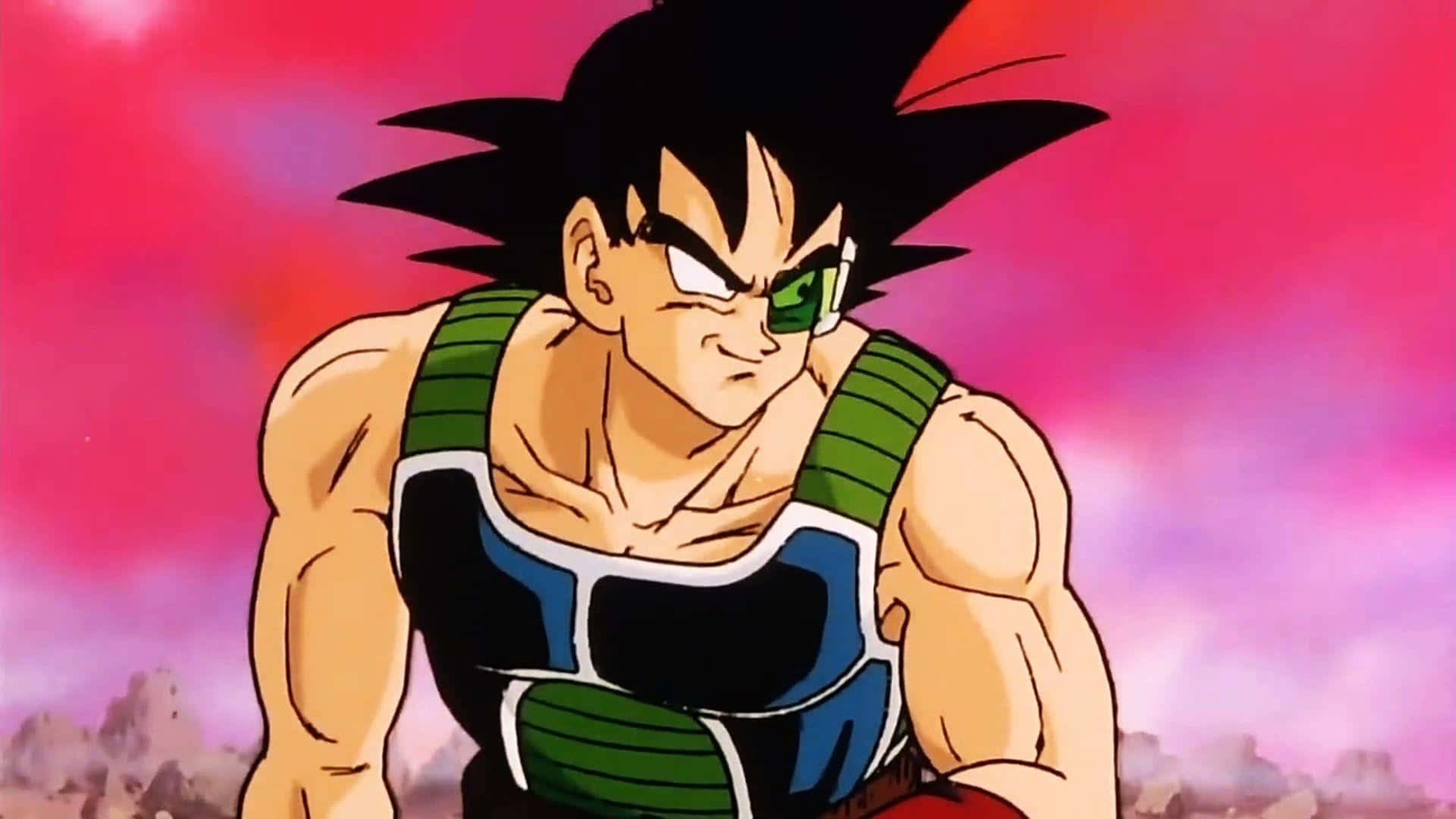
Long before Goku became Earth's greatest defender, his biological father forged a path of desperate defiance that forever altered franchise lore. Bardock, a low-class Saiyan warrior, started his career as a ruthless mercenary executing brutal planetary conquests for the Frieza Force. Yet, his journey evolved from a standard tale of galactic grunt work into a tragic narrative of premonition, rebellion, and parental sacrifice. While mainline episodes focused heavily on Goku's upbringing on Earth, Bardock’s separate timeline established the deep-seated animosity between the Saiyan race and the tyrant Frieza, transforming a nameless footnote into a foundational patriarch of the entire mythos.
The 1990 television special Dragon Ball Z: Bardock – The Father of Goku shifted the narrative perspective away from the heroic core cast and into the gritty trenches of Planet Vegeta's mercenary squads. During a routine campaign on Planet Kanassa, a surviving native struck Bardock with a mystical curse—bestowing upon him the terrifying ability to witness the chronological collapse of his homeworld and the future exploits of his infant son, Kakarot. This psychic burden isolated Bardock from his peers, turning him into a solitary prophet fighting against an inescapable cosmic doom.
Evolution from Filler Icon to Canon Patriarch
For decades, fans debated whether the gritty TV special counted as official continuity. Bardock originated outside Akira Toriyama's weekly manga, occupying that strange middle ground of high-quality anime-original storytelling. Despite this initial separation, his raw popularity made him an inevitable fixture of the franchise. Toriyama eventually embraced the character, officially integrating him into the manga canon through brief flashback panels, the Dragon Ball Minus manga chapter, and a fleshed-out historical role in the Dragon Ball Super manga's Granolah the Survivor arc.
This canonical transition redefined Bardock's personality. The original 1990 anime portrayed him as cold and dismissive toward his newborn son, reflecting standard Saiyan callousness. Later retellings softened his demeanor, highlighting a rare emotional bond with his mate, Gine, and a deliberate choice to launch Kakarot toward Earth to save him from Frieza's impending genocide. These revisions deepened the emotional weight behind Goku's journey, proving that the gentle heart Goku displayed on Earth stemmed from a hidden act of parental preservation rather than pure random chance. BBC has analyzed this fascinating topic in extensive detail.
Unpacking the Psychological Impact on Goku’s Legacy
Goku never consciously remembers his parents, yet his entire fighting philosophy mirrors Bardock's final stand. When Frieza's death balls converged on Planet Vegeta, Bardock stood alone against an armada, flying straight into a barrage of energy in a desperate, futile attempt to alter fate. That spirit of defiant optimism against insurmountable power echoed through every major saga where Goku faced impossible odds, from Piccolo Jr. to Majin Buu.
- The Burden of Vision: The psychic curse forced Bardock to carry the emotional weight of an entire doomed civilization alone.
- The Rejection of Cruelty: His partnership with Gine broke away from typical Saiyan utilitarianism, establishing a protective family unit.
- The Ultimate Defiance: His final charge against Frieza planted the psychological seed of resistance that eventually manifested through his son on Namek.
For those interested in exploring official production backgrounds and historical data behind these classic anime specials, you can review details on Wikipedia. Additional fan-driven encyclopedic breakdowns can also be found directly on the Dragon Ball Wiki.
Common Misconceptions About Bardock's Timeline
Viewers diving back into the lore often mix up the various adaptations and non-canon side stories. Understanding where each piece fits prevents confusion regarding his power scaling and survival theories.
- The Super Saiyan Myth: The 2011 spinoff Episode of Bardock showed him traveling back in time and turning Super Saiyan against Frieza's ancestor, Chilled. This story remains a fun, non-canon "What If?" scenario rather than official historical fact.
- The Power Level Debate: Early guides labeled Bardock a low-class warrior with a modest power level around 10,000. Through constant combat and near-death recoveries, his battle power surged far beyond typical low-class limits, surprising elite soldiers.
- His Relationship with Goku: The shift from viewing Kakarot as absolute trash to actively orchestrating his escape represents an intentional character evolution by creators, not a continuity error.
Frequently Asked Questions
Is Bardock officially canon in Dragon Ball?
Yes. While he debuted in a 1990 non-canon anime special, Akira Toriyama later integrated him into official manga continuity via Dragon Ball Minus and expanded his history significantly during the Dragon Ball Super manga arcs.
How did Bardock get his scar?
Bardock received his iconic facial scar during a brutal campaign on Planet Kanassa, inflicted by a surviving warrior named Tooro before Bardock eliminated him.
Did Bardock know Goku would defeat Frieza?
Through his prophetic visions granted on Kanassa, Bardock saw visions of his son confronting Frieza, fueling his dying hope that Kakarot would eventually avenge their fallen race.
Why did Bardock send Goku to Earth?
Sensing Frieza's impending betrayal and the total destruction of Planet Vegeta, Bardock stole a space pod and launched infant Kakarot toward Earth to ensure at least one member of his immediate family survived the purge.



