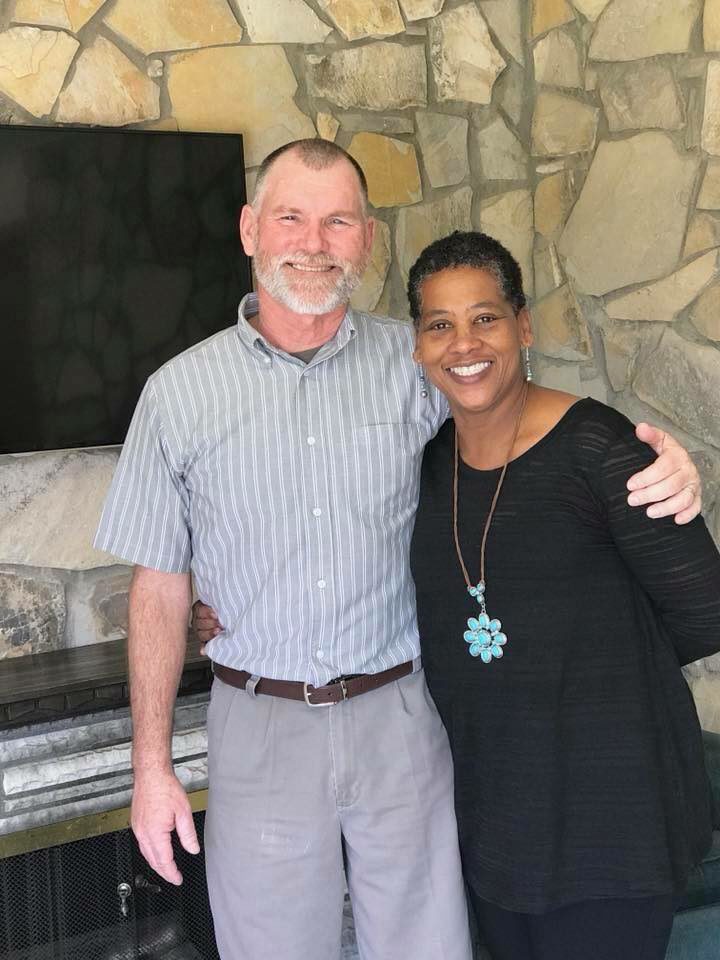
When you look at modern brain science, you'll see a massive shift away from pathologizing neurological differences. Barbara Avery sits right at the center of this change. Her advocacy combines hard neurological research with human rights, pushing back against the old medical model that views conditions like autism as broken wiring that needs fixing.
Instead, Avery frames neurodiversity as a natural variation in human cognition. Her work reshapes how schools, clinics, and workplaces approach learning and behavior. We don't need to fix diverse minds; we need to fix the rigid systems built around them.
The Core Philosophy of Neurodiversity Advocacy
The medical model of disability looks at divergence as an individual deficit. It asks how we can change the person to fit the environment. Avery flips that question completely around. She asks how we can adapt the environment so the person can thrive.
This approach relies on the neurodiversity paradigm, which treats neurological differences like biodiversity in nature. Every cognitive style brings unique strengths to the table. When institutions rely on a single standard of normal behavior, they miss out on distinct patterns of problem-solving, pattern recognition, and creative thought. BBC has also covered this critical topic in extensive detail.
- Reframing Difference: Viewing autism and ADHD as natural variations rather than diseases.
- Systemic Adaptation: Shifting the burden of change from the individual to the environment.
- Self-Determination: Ensuring neurodivergent people lead conversations about their own lives and needs.
Transforming Education and Clinical Practice
Avery's impact shows up clearly in practical settings. Traditional classrooms often rely on rigid behavioral compliance. If a student fidgets or avoids eye contact, teachers step in to correct the action. Avery argues that these compliance-based models cause anxiety and erode self-worth.
She champions flexible learning strategies that honor different cognitive styles. Instead of forcing eye contact, educators focus on engagement and comprehension. In clinical spaces, her influence pushes professionals away from deficit-based diagnostics. Practitioners now use strengths-based assessments that highlight what a person can do, which cuts down on misdiagnoses and harmful interventions.
"Teaching neurodiversity isn't about fixing minds. It's about transforming systems to serve all minds."
Redesigning Spaces for Cognitive Accessibility
Human-centered design is a massive part of Avery's framework. Physical spaces often trigger sensory overload for neurodivergent individuals. Bright fluorescent lights, constant background noise, and chaotic layouts drain cognitive energy fast.
Avery advocates for sensory-friendly architecture. Workplaces and schools benefit directly from simple adjustments:
- Quiet Zones: Dedicated areas with low sensory input where people can recharge.
- Adjustable Lighting: Replacing harsh overhead lights with softer, natural sources.
- Predictable Routines: Clear visual schedules that reduce anxiety around transitions.
When we design spaces for neurological diversity, everyone benefits. Office workers without formal diagnoses also get more done when they aren't fighting constant sensory distractions.
Moving Beyond Workplace Bias
Employment remains a major hurdle for the neurodivergent community. Traditional interview processes often screen out brilliant candidates simply because they don't make standard eye contact or excel at small talk. Avery points out that these hiring filters have zero correlation with job performance.
Many autistic adults possess incredible focus, deep technical skills, and high accuracy in pattern recognition. Fields like software testing, data analysis, and cybersecurity need these exact cognitive strengths. By pushing companies to adopt skills-based hiring and flexible remote work options, Avery helps turn neurodiversity from a compliance checkbox into a true strategic advantage.
Frequently Asked Questions
What is the neurodiversity paradigm?
It's a framework viewing neurological differences—such as autism, ADHD, and dyslexia—as natural variations in the human genome rather than medical pathologies that require a cure.
How does sensory-friendly design help the brain?
Sensory-friendly spaces reduce environmental stressors like loud noise and harsh lighting. This lowers cortisol levels and preserves the cognitive energy needed for complex problem-solving and focus.
Why are compliance-based therapies criticized?
Traditional behavioral correction models often force individuals to suppress natural self-regulatory movements, like stimming. Critics argue this causes chronic stress, anxiety, and a loss of personal agency.
How do neurodivergent strengths benefit workplaces?
Unique cognitive processing patterns often lead to exceptional attention to detail, out-of-the-box problem solving, and deep concentration on complex analytical tasks. Organizations can learn more about inclusive practices through resources like the Autistic Self Advocacy Network.