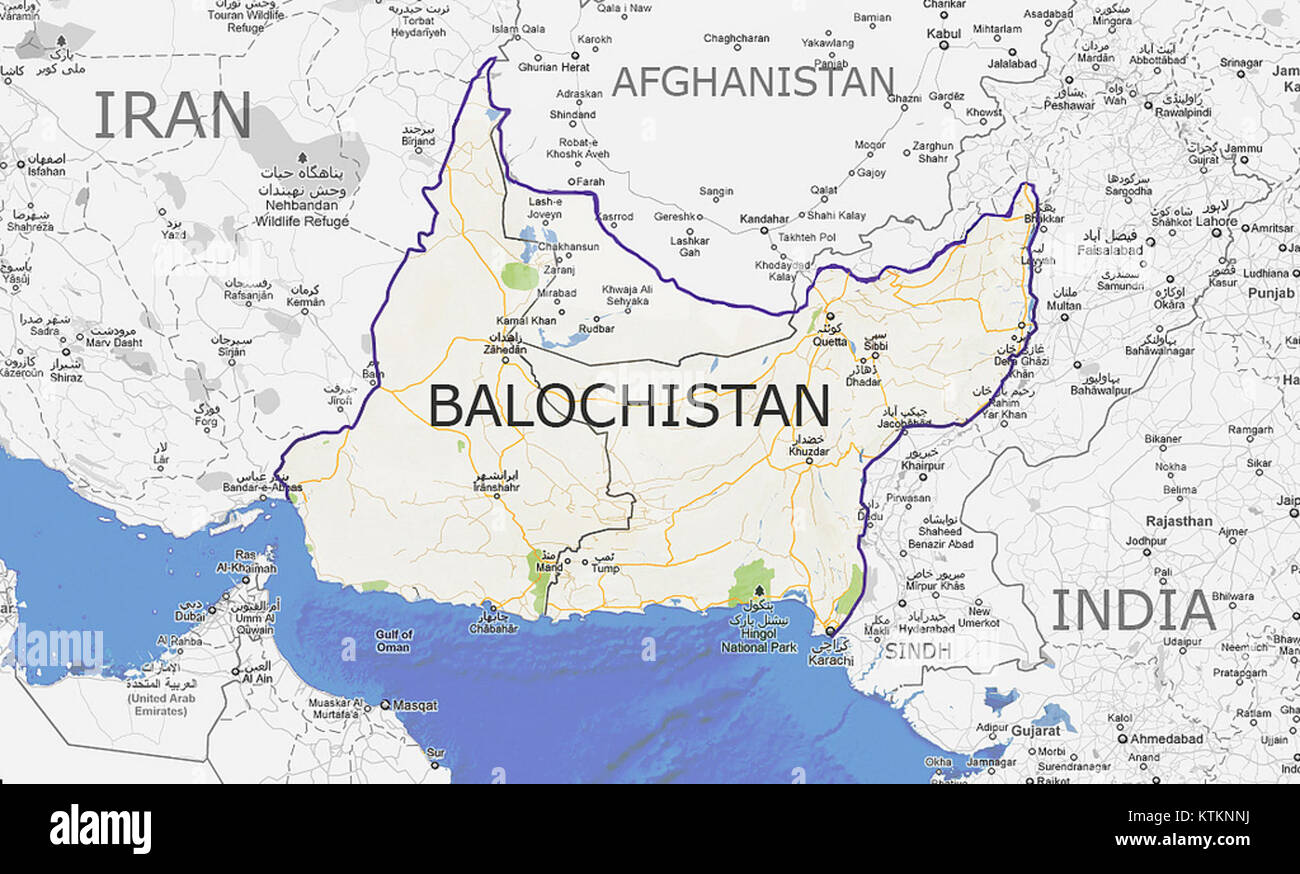
Balochistan separatism is driven by decades of political marginalization, resource exploitation, and acute economic underdevelopment. As Pakistan's largest province by area yet its least populated, Balochistan has remained a focal point of ethno-nationalist resistance since the state's formation in 1947. Beneath the surface of recurring armed conflict lies a deep sense of historical betrayal, rooted in how the region was integrated into the federation and how its vast natural wealth has been managed by central authorities.
Understanding this protracted struggle requires looking past surface-level security updates. The crisis stems from structural inequalities, broken political promises, and an ongoing fight for local autonomy over land, gas, and minerals.
Historical Roots and the Accession Conflict
The friction between Baloch nationalists and the central government started long before modern militant groups formed. When British rule ended in South Asia, the Princely State of Kalat initially declared independence in August 1947. That independence lasted less than a year. Under intense bureaucratic and military pressure, the Khan of Kalat signed an instrument of accession in March 1948.
This incorporation sparked immediate local resistance. Prince Abdul Karim, the brother of the Khan, revolted against the accession in July 1948, launching an early guerrilla campaign that set a precedent for future armed pushback.
Subsequent decades saw repeated cycles of rebellion:
- The 1950s Resistance: Nawab Nauroz Khan led an armed uprising between 1958 and 1959 to protest the "One Unit" policy, which merged West Pakistan's provinces into a single political unit and diluted Baloch representation.
- The 1960s Insurgency: Guerrilla fighters targeted infrastructure and military convoys to demand a fair share of revenues from newly discovered Sui natural gas fields.
- The 1970s Conflict: Following the dismissal of the provincial government in 1973, a brutal five-year military operation resulted in thousands of casualties and entrenched deep-seated distrust toward Islamabad.
These early conflicts established a historical memory of state coercion, broken compacts, and unfulfilled promises of regional autonomy.
Core Economic and Resource Grievances
Balochistan sits on top of immense natural wealth, including vast reserves of natural gas, copper, gold, and coal. Yet, it remains the most economically impoverished region in the country, suffering from the lowest literacy rates, highest poverty levels, and poorest healthcare infrastructure.
Local populations have long watched natural gas extracted from their land fuel power grids and industrial centers in other provinces, while many local towns and villages went without basic electrification or clean drinking water. This dynamic fuels a widespread local perception of internal colonialism.
Megaprojects like the deep-water port of Gwadar—developed with major foreign investment—have intensified these anxieties. Rather than bringing economic uplift to local residents, these projects often trigger fears of demographic marginalization, land displacement, and the exclusion of native Baloch communities from economic decision-making.
Political Exclusion and Institutional Friction
Political representation for Baloch leaders has historically been unstable or tightly constrained. Whenever nationalist parties won provincial mandates, central authorities frequently intervened or dissolved local assemblies, viewing regional autonomy demands with suspicion.
This political squeezing pushed mainstream frustration underground. When peaceful political advocacy and electoral channels fail to yield institutional reforms, recruitment into separatist networks becomes easier for disaffected youth. The central government often frames the unrest purely as a law-and-order challenge or blames foreign interference, but analysts note that ignoring domestic political grievances only deepens the cycle of alienation.
Human Rights and the Security Crisis
The security landscape in Balochistan has grown increasingly grim over the last two decades. Human rights organizations, including the Human Rights Watch, have repeatedly documented severe abuses committed during counter-insurgency operations.
Key human rights concerns include:
- Enforced Disappearances: Thousands of activists, students, journalists, and suspected militants have gone missing over the years, leaving families with zero legal recourse or information.
- Extrajudicial Killings: Mutilated bodies of missing persons frequently turn up in remote areas, driving intense public outrage and mass protests.
- Insurgent Violence: Separatist militant factions—such as the Baloch Liberation Army (BLA)—target security forces, infrastructure, and non-native workers, compounding the climate of fear.
This atmosphere of pervasive surveillance, military checkpoints, and violence has created a heavy psychological toll on ordinary civilians caught between state security operations and militant retaliation.
An Uncertain Future
The trajectory of Balochistan separatism remains locked in a destructive stalemate. Hardline military approaches have failed to stamp out the insurgency, while token economic packages from the center have routinely fallen short of addressing core political demands.
Without genuine political inclusion, transparent revenue-sharing models, and accountability for human rights violations, the underlying grievances will continue to fester. Unless policymakers shift from coercion to a comprehensive political settlement, the region's future will remain defined by conflict and instability.
Frequently Asked Questions
What are the main demands of Baloch separatists?
Baloch separatist groups primarily demand complete independence or absolute regional autonomy. They want total control over the province's natural resources, a halt to state-sponsored demographic shifts, and accountability for missing persons.
How did the conflict start?
The conflict traces back to March 1948, when the Princely State of Kalat was forced to accede to Pakistan. This accession was contested by local leaders and princes who launched the first armed resistance later that year.
Why is Gwadar Port a point of contention?
While Gwadar is promoted as a major international trade hub, local Baloch residents fear they will be turned into a minority in their own homeland, lose control of their coastal resources, and derive no tangible financial benefit from the project.
Are all Baloch people fighting for separation?
No. The Baloch population holds diverse political views. While militant separatists fight for independence, many other political figures advocate for provincial rights, constitutional reforms, and greater federal inclusion within the framework of the state.



