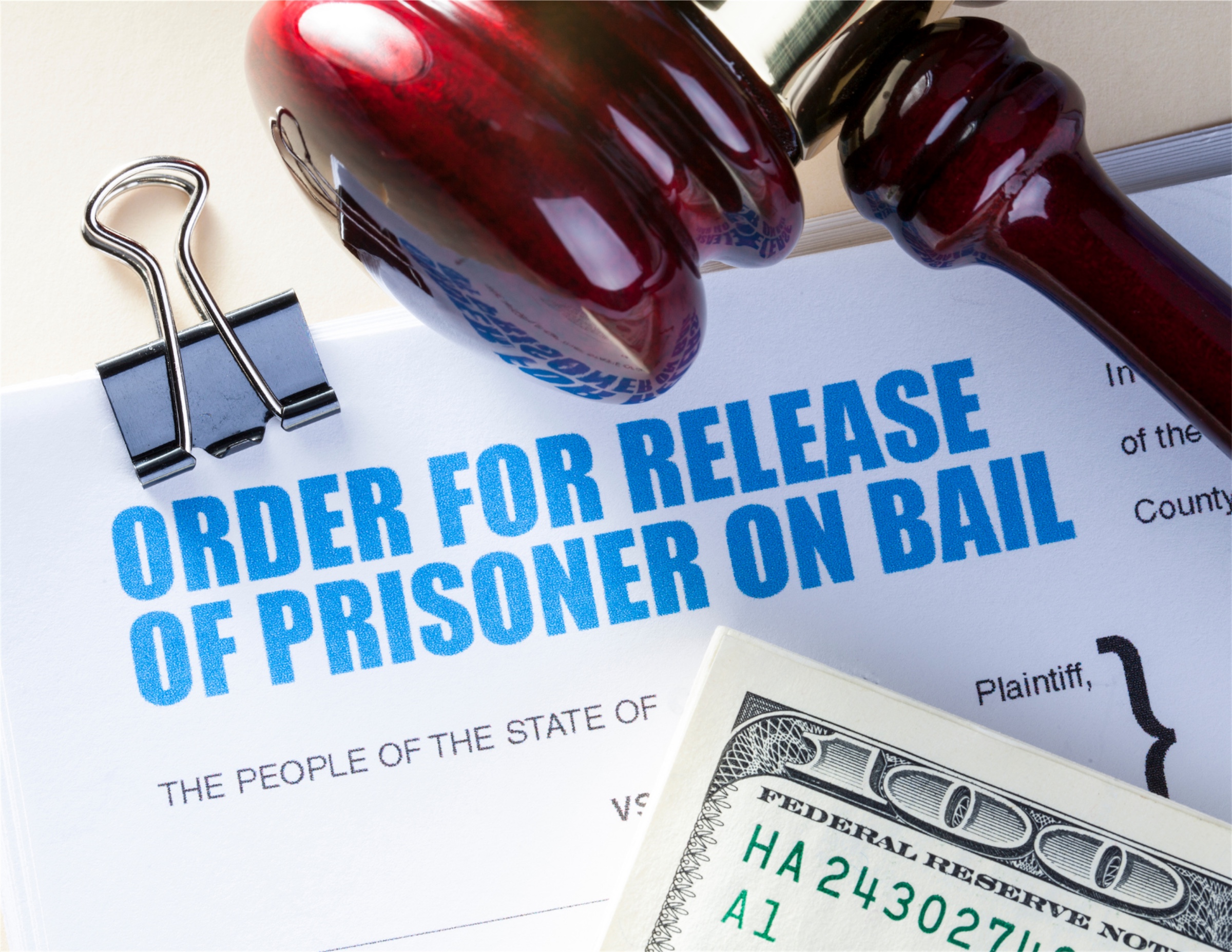
When you discover that a friend or family member has been arrested in Piqua, Ohio, panic usually sets in immediately. Navigating the Miami County legal system from the outside can feel overwhelming, especially when you're racing against the clock to secure a quick release from custody. You don't have time to sift through confusing legal jargon or wait around for courthouse doors to open on Monday morning. Working with a reliable local bail bond company Piqua OH residents trust makes all the difference in navigating the system efficiently and bringing your loved one home.
Understanding how the local bail process works, what costs to expect, and how to choose a licensed bondsman helps you take control of a stressful situation right away. This guide outlines everything you need to know about securing a fast release in Miami County, Ohio, avoiding common financial mistakes, and managing court requirements from start to finish.
How the Miami County Bail Process Works
When someone is arrested in Piqua, they are typically transported to the Miami County Jail, located nearby in Troy, Ohio. Following booking, the individual will go through an initial appearance or arraignment where a judge sets the formal bail amount.
Bail serves as financial collateral to ensure the defendant returns for all future court dates. If the court sets a cash bond of ten thousand dollars, you must pay the full amount in cash to the court clerk to secure release. However, most families don't have thousands of dollars in liquid cash sitting in their bank accounts. That's where a professional surety bail bond agency steps in.
Instead of paying the full cash amount directly to the court, you pay a non-refundable premium—typically ten percent of the total bond—to a licensed bail bondsman. The bonding company then posts a surety bond with the court, guaranteeing the full amount if the defendant fails to appear.
- The Booking Phase: Law enforcement books and processes the defendant, which can take several hours depending on facility traffic.
- The Arraignment: A judge reviews the charges and establishes conditions of release and the bail amount.
- Contacting a Bondsman: Once bail is set, you call a local agency to initiate the paperwork and payment arrangements.
- Release Execution: The bondsman posts the surety bond at the jail, and the facility processes the release.
Choosing the Right Bail Bond Company in Miami County
Selecting a trustworthy agent speeds up the release process and protects you from predatory fees. You want an agency with deep operational familiarity with Miami County courts and the local jail system.
Transparency is your primary benchmark. A reputable bondsman will clearly explain the total cost, the percentage required down, and any collateral requirements before you sign anything. Avoid any agency that pressures you or refuses to provide a written fee agreement.
Local availability matters significantly. Because arrests happen at all hours of the day and night, look for agencies offering true twenty-four-hour service. An agent who answers the phone immediately at three in the morning can start the release paperwork hours before a daytime-only business opens its doors.
Understanding Costs, Fees, and Collateral
The cost of a bail bond in Ohio is regulated, with standard premiums hovering around ten percent of the total bond set by the judge. If a judge sets bail at twenty thousand dollars, your premium to the bondsman will generally be two thousand dollars. This fee is earned upon release and is not refunded at the end of the case.
Beyond the standard premium, agencies sometimes require collateral to secure larger or higher-risk bonds. Collateral can include real property, vehicles, or valuable personal assets. If the defendant skips court and flees, the bonding company uses the collateral to satisfy the forfeited bond amount owed to the court.
Many modern agencies offer flexible payment plans or zero-interest financing to help families manage unexpected expenses without liquidating their savings. Always ask about financing options if paying the full ten percent upfront creates a financial hardship.
Responsibilities of the Indemnitor and Defendant
When you sign a bail bond agreement, you become the indemnitor—the person financially and legally responsible for ensuring the defendant complies with all court mandates. This role carries serious legal obligations that you shouldn't take lightly.
The primary duty is ensuring the defendant attends every single scheduled court appearance. Missing a court date triggers an immediate bench warrant for the defendant's arrest and revokes the bond. If the defendant flees, you are financially liable for the entire face value of the bond to the court.
Defendants must also adhere to any conditions set by the judge, which often include travel restrictions, no-contact orders, or check-ins with the bail agency. Maintaining open communication with your bondsman throughout the legal process prevents misunderstandings and protects your financial investment.
Frequently Asked Questions
How long does it take to get someone out of the Miami County Jail?
Release times vary depending on jail staffing levels, current booking volume, and the complexity of the paperwork. Once the bail bond is posted at the facility, the release process typically takes anywhere from two to six hours.
Can I get my premium back after the case is closed?
No, the premium paid to the bail bond company is a service fee for assuming the financial risk of the bond and is non-refundable, regardless of whether the defendant is ultimately found guilty or innocent.
What happens if the defendant misses a court date?
Missing a court date results in a warrant issuance and bond forfeiture. The bonding company will attempt to locate and surrender the defendant back to custody to clear the forfeiture, and the indemnitor may be forced to pay the full bond amount.
Do I need collateral for every bail bond?
Not necessarily. Many smaller misdemeanor bonds or clients with strong local ties and stable employment qualify for signature bonds without physical collateral. Larger felony bonds or higher flight-risk cases usually require property or asset backing.
Can I post bail online or do I need to visit in person?
Most contemporary bail agencies allow you to complete paperwork and payment digitally via secure email or online portals, saving you a stressful trip to the office during an already overwhelming time. You can learn more about local court procedures through the Miami County Municipal Court directory.


