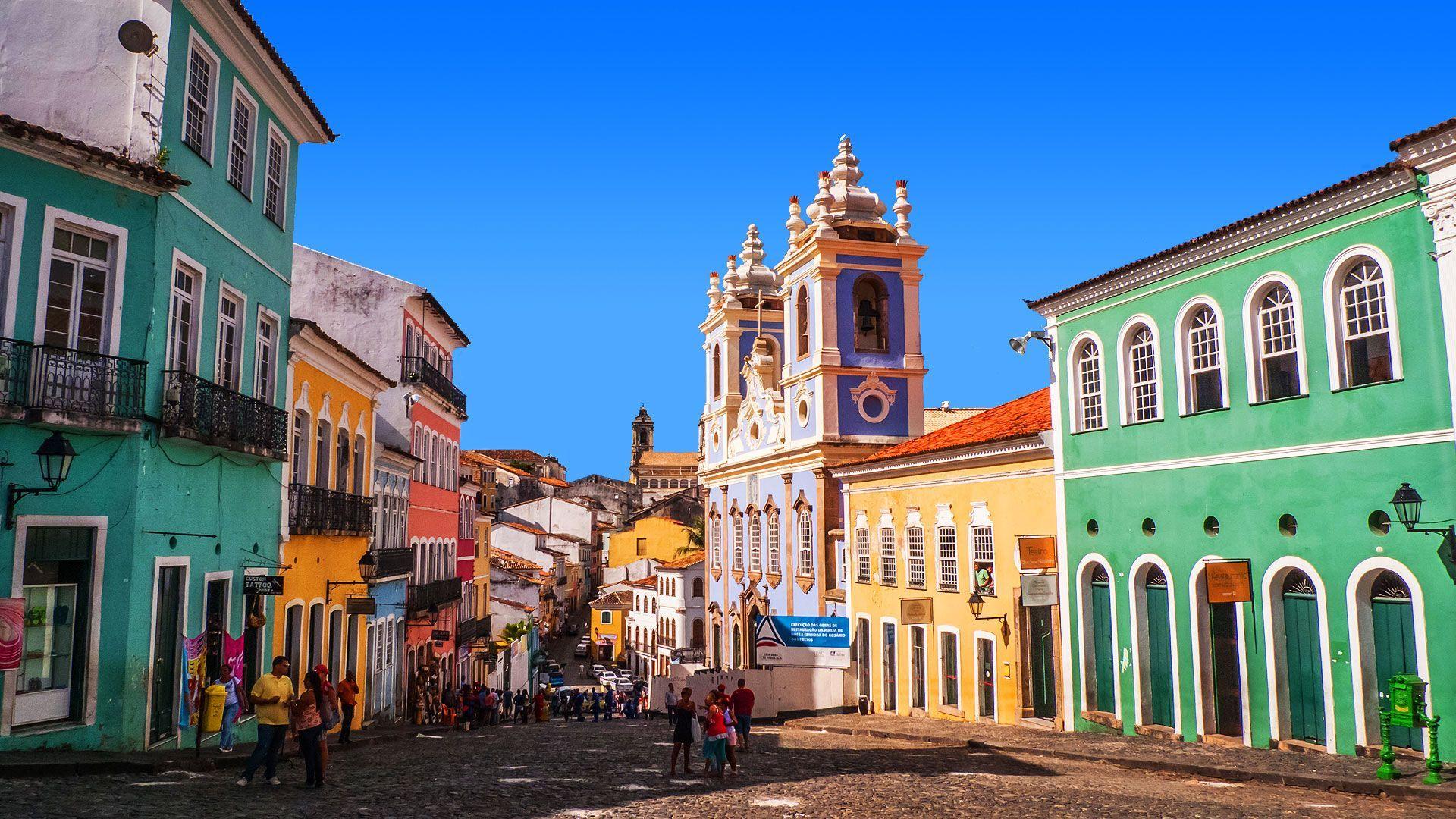
When Esporte Clube Bahia and Clube de Regatas do Flamengo step onto the pitch, it's never just a regular fixture. This clash captures a profound regional pride, pitting the passionate heart of Salvador against the massive nationwide backing of Rio de Janeiro. While Rio and São Paulo traditional power struggles often dominate mainstream headlines, matches between Bahia and Flamengo carry an intense sporting weight driven by historical league battles, passionate fanbases, and unforgettable tactical duels.
Understanding this fixture means looking past simple league tables and diving straight into decades of Brazilian football culture. From iconic encounters in the Campeonato Brasileiro to high-stakes knockouts in the Copa do Brasil, these clubs represent two distinct pillars of football identity in the country. Let's break down the history, the tactical dynamics, and what makes this matchup one of the most compelling narratives in South American football.
Roots of the Rivalry: Passion, Pride, and Regional Identity
The connection between Bahia and Flamengo goes far beyond modern league standings. Bahia, based in Salvador, holds the fierce pride of being the first national champion of Brazil, having claimed the Taça Brasil in 1959 by defeating Santos. They represent the spirit of the Northeast, an immensely proud region with a deeply rooted football culture. Flamengo, headquartered at the Maracanã in Rio de Janeiro, operates as a global sporting institution boasting millions of supporters across every corner of Brazil.
When Bahia hosts Flamengo at the Arena Fonte Nova, the atmosphere is electric. The stadium transforms into a cauldron of noise, fueled by supporters who view the match as an opportunity to challenge the hegemony of the traditional axis teams. Conversely, when Bahia travels to Rio, they face a wall of red-and-black intensity that demands absolute resilience. This dynamic creates a fierce competitive edge on the pitch, where neither side gives an inch.
Historical Head-to-Head and Memorable Encounters
Looking at the historical ledger, Flamengo holds a distinct advantage in head-to-head meetings, winning the majority of their official encounters across all competitions. However, statistics rarely capture the drama of individual matches. Over nearly three decades of regular top-flight fixtures, games between these sides average around three goals per match, frequently delivering high-scoring thrillers and tactical chess matches.
For example, high-profile meetings in the Copa do Brasil have heightened the tension. In the 2024 quarter-finals, Flamengo edged out tight victories both home and away, but Bahia's aggressive pressing made every minute a struggle for the Rio giants. Similarly, recent Série A encounters—such as Flamengo's disciplined 2-0 win at the Maracanã and their comprehensive 3-0 victory at the Fonte Nova—highlight the tactical sophistication required to unlock Bahia's stubborn block.
Despite Flamengo's historical dominance, Bahia has proven capable of stunning upsets on their day, relying on disciplined defensive shapes and rapid counter-attacks to exploit space left by Flamengo's attacking full-backs.
Tactical Battles: How the Teams Match Up
Matches between Bahia and Flamengo are usually decided in the midfield transitions. Flamengo traditionally favors a possession-heavy approach, utilizing technical midfielders to dictate the tempo and create space for dynamic wingers and clinical center-forwards like Pedro. Their ability to sustain pressure in the opposition half often wears down defenses over ninety minutes.
Bahia, under their tactical setups, counters this by crowding central areas and deploying disciplined defensive blocks. To win against a squad of Flamengo's financial and technical depth, Bahia relies on quick vertical transitions, utilizing pace out wide to catch the Rio side's defense unsettled. When Bahia successfully disrupts Flamengo's passing rhythm, the match becomes an unpredictable scrap where individual brilliance usually breaks the deadlock.
Common Misconceptions About the Fixture
Many casual observers misunderstand the nature of this match, writing it off as a standard favorite-versus-underdog affair. Several common myths deserve correction:
- It's a local derby: It isn't a derby in the geographical sense. Flamengo's primary local rivals are Fluminense, Vasco, and Botafogo, while Bahia's fierce local rivalry is with Vitória. This is a national cross-state rivalry built on prestige and historical clashes rather than shared city streets.
- It's a one-sided blowout: While Flamengo leads the historical win count, Bahia's home performances at the Arena Fonte Nova routinely push Flamengo to their absolute limit, often resulting in narrow one-goal margins or tense draws.
- It lacks tactical depth: Some assume matches featuring northeastern clubs against southeastern powerhouses rely purely on emotion. In reality, modern tactical preparation on both sides makes these games highly sophisticated chess matches regarding spatial control and pressing triggers.
Frequently Asked Questions
Who has won more matches between Bahia and Flamengo?
Flamengo holds the upper hand in the overall head-to-head record, having secured significantly more victories across the Campeonato Brasileiro and Copa do Brasil since 2011. Bahia maintains a smaller win tally but claims historic victories that loom large in club lore.
Where do Bahia and Flamengo play their home matches?
Bahia plays its home fixtures at the modern Arena Fonte Nova in Salvador, renowned for its steep stands and vocal supporters. Flamengo plays its home matches at the iconic Estádio Jornalista Mário Filho, universally known as the Maracanã, in Rio de Janeiro.
What is the average goal tally in this fixture?
Matches between these two clubs average right around three goals per game. Because both teams historically favor proactive attacking structures, clean sheets are rare, and multi-goal thrillers happen frequently.
Have these teams met in cup competitions outside the league?
Yes. Beyond regular Campeonato Brasileiro fixtures, they have locked horns in high-stakes knockout rounds of the Copa do Brasil, where aggregate scores and away goals amplify the tension of every single tackle.