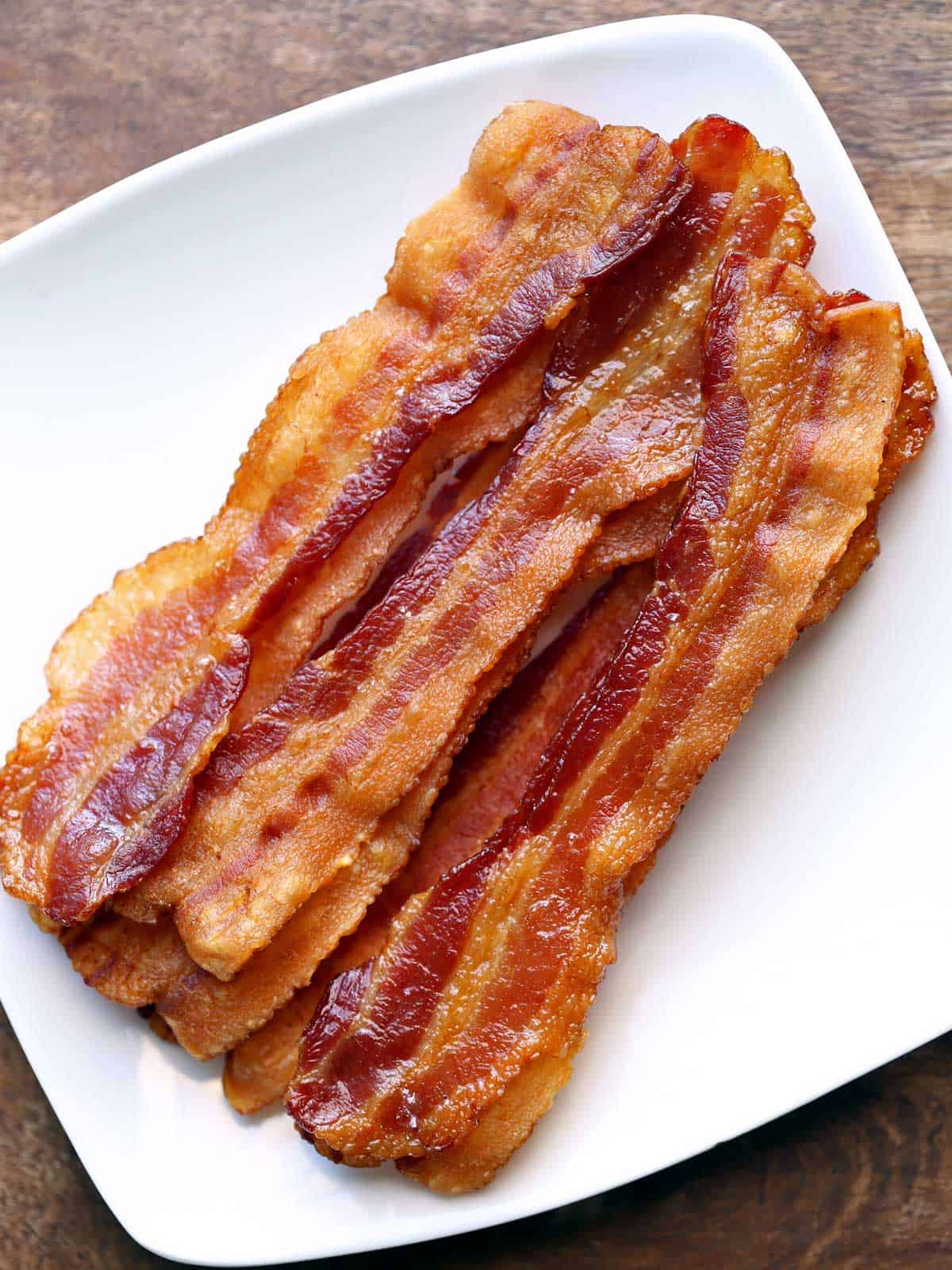
If you spend enough time scrolling through beauty forums, you'll eventually stumble upon bizarre viral trends. The latest one making the rounds claims that kitchen staples like pork fat can revitalize your tresses. Specifically, enthusiasts are talking about bacon hair treatments as a natural way to boost shine and moisture. But before you raid the refrigerator and start pouring grease over your scalp, let's examine what this trend actually involves, separate scientific reality from internet folklore, and look at safe, effective ways to care for your hair.
The core idea behind the bacon hair trend is that animal fats and proteins can nourish the hair cuticle much like commercial oils do. Proponents claim that applying rendered fat or specialized grease masks provides deep conditioning and essential nutrients. However, treating your hair with breakfast meats comes with significant drawbacks, ranging from persistent odors to hygiene concerns. Let's break down the reality of this culinary hair care experiment.
What is the Bacon Hair Trend?
The bacon hair trend refers to social media experiments where people use actual bacon fat, rendered oils, or scented products to condition their hair. The premise mimics traditional oil treatments, where lipid-rich substances are applied to dry strands to seal in moisture and smooth frizz.
While historical beauty routines have frequently utilized animal fats—such as bear grease or tallow in centuries past—modern cosmetic chemistry has evolved significantly. Today's commercial products use purified, refined oils that deliver targeted benefits without the hygiene issues associated with raw food products.
Claims Versus Reality
Proponents of using cured meat fats in beauty routines often point to a few specific theoretical benefits:
- Lipid conditioning: Natural fats coat the hair shaft, temporarily smoothing the outer cuticle and reducing frizz.
- Protein content: Pork contains protein, which is structurally similar to the keratin found in human hair.
Despite these theoretical points, dermatologists and trichologists point out major flaws. Raw or rendered kitchen fats contain high levels of sodium, preservatives, and impurities that can irritate the scalp microbiome. Furthermore, applying food products to your head creates an ideal breeding ground for bacteria and yeast, potentially leading to fungal imbalances, severe dandruff, or contact dermatitis.
The Drawbacks of Using Food Fats on Your Hair
Before trying any unconventional DIY beauty hack, you need to weigh the practical consequences. Using cured meat byproducts on your scalp presents several immediate challenges:
- Persistent odor: Rendered pork fat has a distinct, heavy scent that clings stubbornly to keratin fibers, making it difficult to wash out completely.
- Bacterial growth: Leaving organic food residues on your scalp invites microbes, which can trigger itching, irritation, and clogged hair follicles.
- Attracting pests: Sweet or savory food residues can attract insects, an obvious downside for outdoor activities.
- Difficult removal: Animal fats solidify at lower temperatures and resist standard washing, often requiring harsh clarifying shampoos that strip away natural protective oils.
Safe, Effective Alternatives for Deep Conditioning
If your goal is achieving soft, glossy, and manageable locks, you don't need to visit the butcher shop. Several proven, cosmetic-grade ingredients deliver superior moisture without the mess or smell of kitchen grease.
Plant-Based Oils
Natural plant oils penetrate the hair shaft effectively and offer rich fatty acid profiles without the drawbacks of animal fats:
- Coconut oil: Penetrates the cortex to reduce protein loss in damaged strands.
- Argan oil: Rich in vitamin E and antioxidants, providing lightweight surface shine without heavy buildup.
- Jojoba oil: Closely mimics the natural sebum produced by your scalp, making it ideal for balance and hydration.
Rich Butters and Proteins
For intensive repair, look to cosmetic formulations that utilize refined plant butters and hydrolyzed proteins:
- Shea butter: Excellent for sealing coarse or curly textures.
- Hydrolyzed keratin: Rebuilds weak spots along the hair shaft safely and effectively.
For professional guidance on maintaining a healthy scalp and managing hair damage, check out the American Academy of Dermatology or read expert tips from the Cleveland Clinic Health Essentials.
Frequently Asked Questions
Can real bacon damage your hair?
Using cured meat or its grease won't instantly destroy your hair, but it can cause buildup, scalp irritation, and persistent odors. The high salt content can also dehydrate your skin and strands over time.
Why do people try food-based beauty hacks?
Viral challenges often start as jokes, satirical content, or engagement bait on platforms like TikTok and Instagram. Viewers sometimes mistake entertaining videos for genuine beauty advice.
What is the best way to repair dry, damaged hair safely?
Focus on gentle cleansing, regular deep conditioning treatments with cosmetic-grade oils like argan or jojoba, and minimizing heat styling. Regular trims also prevent split ends from traveling up the hair shaft.
Are ancient tallow-based hair products the same as using bacon?
Historical hair greases often used rendered animal fats, but those formulations were heavily processed and perfumed. Modern hair care chemistry provides safer, cleaner, and more scientifically balanced alternatives.



